-
Glass Fused To Steel Tanks (896)
-
Stainless Steel Tanks (434)
-
Fusion Bonded Epoxy Tanks (660)
-
Galvanized Steel Tanks (321)
-
Aluminum Dome Roofs (1346)
-
Wastewater Storage Tanks (280)
-
Welded Steel Tanks (457)
-
Pressure Vessels (534)
-
Anaerobic Digester (217)
-
Industrial Water Tanks (424)
-
Glass Lined Steel Tanks (180)
-
Bolted Steel Tanks (389)
-
Sludge Storage Tank (115)
-
Biogas Storage Tank (173)
-
Leachate Storage Tanks (133)
-
Agricultural Water Storage Tanks (179)
-
Fire Water Tank (166)
-
Grain Storage Silos (146)
-
Biogas Projects (424)
-
Wastewater Treatment Projects (1882)
-
Double Membrane Roof (223)
|
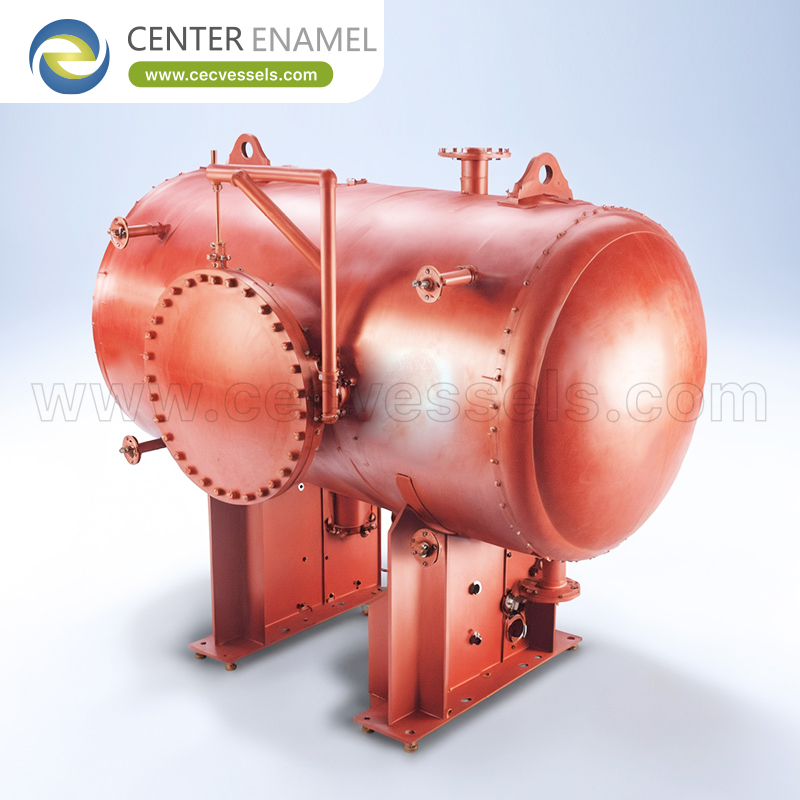
Pressure Vessel Supply For EPC Contractors Interface And Documentation
| Place of Origin: | China |
| Brand Name: | Center Enamel |
| Certification: | ISO 9001,CE, NSF/ANSI 61, WRAS, ISO 28765, LFGB, BSCI, ISO 45001 |
| Minimum Order Quantity: | 1 Sets |
| Price: | 2000 |
| Delivery Time: | 2 months |
| Payment Terms: | L/C,T/T |
| Supply Ability: | 200 sets / days |
|
Detail Information |
|||
Product Description
Pressure Vessel Supply For EPC Contractors Interface And Documentation
Supplying a pressure vessel to an EPC contractor is a role defined by interfaces: the manufacturer must fit its drawings, documents and delivery into the contractor's overall engineering and construction programme.
This guide looks at that supplier role — how to work to EPC document cycles, control interfaces and produce the submittals an EPC project expects.
The Manufacturer's Role Under EPC
The EPC contractor owns the overall project; the vessel manufacturer is a vendor within it. The manufacturer's duty is to deliver the vessel to the approved specification, on time and with the required documents.
Understanding that hierarchy helps: decisions about schedule and interfaces sit with the EPC contractor, while the manufacturer controls design detail, fabrication and its own quality records.
Working To The Document Cycle
EPC projects run formal document review cycles. Vessel drawings and calculations are submitted, reviewed, commented on and returned for incorporation before fabrication can proceed.
A manufacturer experienced with EPC work plans these cycles into the schedule and tracks comment closure, rather than treating review as a single approval event.
Submittals An EPC Expects
Typical submittals include the design calculation, general arrangement, fabrication drawings, nozzle schedule, weld map, inspection and test plan, material certificates and welding procedures.
Each should be indexed and stamped with revision status. Clear revision control prevents the shop building from an outdated drawing.
Interface Control
Interfaces with the EPC package include nozzle orientations and elevations, support and anchor details, utility connections, electrical and instrument signals, and delivery condition.
These should be recorded in an interface register with owners and due dates, so a change on the piping side is reflected in the vessel drawing before release.
Schedule Alignment
The vessel must arrive when the site is ready, not merely when the shop has finished. Early delivery creates storage and preservation problems; late delivery delays installation.
Agreeing the required-on-site date and working back through design approval, material lead time and testing keeps fabrication aligned with construction.
Quality And Inspection Coordination
EPC contractors often require witness or review points beyond the code minimum. The inspection and test plan should state which stages the contractor or its client will attend.
Notifying inspectors in advance and keeping records ready avoids holding fabrication while documents are checked.
Handling Deviations And Changes
EPC projects generate changes as the design develops. The manufacturer should evaluate each against the frozen basis, state its effect on material, schedule and documents, and obtain approval before implementing.
Informal changes are risky: they can break the link between the calculation, the drawing and the as-built vessel.
What EPC Contractors Value In A Vendor
Predictable document turnaround, disciplined revision control, clear communication on interfaces and reliable delivery are as important as fabrication skill.
A manufacturer that understands the EPC environment reduces the coordination burden on the contractor and lowers the chance of site rework.
Contractors also value early warning. A vendor that flags a material lead time, a drawing conflict or an inspection slot conflict while there is still time to act is more useful than one that reports a finished vessel but a missed site date. Asking how a supplier communicates problems, not only how it reports progress, is a practical way to judge whether it will fit an EPC programme.
The format of the data package matters as much as its content. A clear index, consistent revision letters and files that match the approved drawings make the contractor's review fast and auditable. When documents arrive as an unstructured collection, time is spent reconstructing which version governs, and that delay is often charged back to the vendor. Treating document delivery as a controlled deliverable rather than an afterthought is one of the simplest ways a supplier can earn the contractor's confidence.
EPC Vendor Expectations
Area |
EPC expectation |
Vendor action |
Documents |
Indexed, revision-controlled |
Controlled submittal register |
Design review |
Cycles with comments |
Plan and track closure |
Interfaces |
Defined and owned |
Interface register |
Schedule |
Aligned to site need |
Back-plan from delivery |
Inspection |
Witness points |
ITP with notification |
Changes |
Approved formally |
Impact assessment first |
EPC Coordination Inputs
Input |
Purpose |
Required-on-site date |
Sets the backward plan |
Document matrix |
Defines submittals |
Review turnaround |
Controls design cycle |
Interface register |
Owns boundaries |
ITP |
Sets witness points |
Code and edition |
Fixes compliance |
Change procedure |
Controls deviations |
Conclusion
For an EPC contractor, a vessel supplier is one node in a larger programme. Success depends on document discipline, interface control and schedule alignment as much as fabrication quality.
Plan review cycles, maintain a revision-controlled submittal set, register every interface and approve changes formally before they reach the shop floor.
About Center Enamel
Center Enamel is a pressure vessel and process equipment manufacturer based in China, producing stainless steel and carbon steel pressure vessels, separators, reactors, heat exchangers and storage tanks for chemical, oil and gas, power, food, pharmaceutical and water-treatment applications.
The company works under ASME VIII Div.1, GB/T 150 and ISO 9001, and can supply CE/PED marking for the EU market with material traceability, documented welding procedures, NDT and hydrostatic testing in the delivered data book.
- Certifications: ASME, ISO 9001, CE/PED, NSF/ANSI 61, WRAS, ISO 28765, LFGB, BSCI, ISO 45001.
- Standards: ASME VIII Div.1, GB/T 150, EN 13445 where required by the destination market.
- Commercial terms: Minimum order quantity 1 unit, typical lead time about 2 months, L/C or T/T.
Frequently Asked Questions (FAQ)
What is the vessel supplier's role under EPC?
To deliver the vessel to the approved specification, on time and with the required documents.
What is a document review cycle?
Submission, comment and revision of drawings before fabrication approval.
What submittals does an EPC expect?
Calculations, drawings, nozzle schedule, weld map, ITP, material certificates and procedures.
Why is revision control important?
To ensure the shop builds from the latest approved drawing.
What is an interface register?
A record of boundaries, owners and due dates for connections and details.
How should delivery be planned?
From the required-on-site date, back through testing, material lead time and approval.
Why can early delivery be a problem?
It creates storage and preservation obligations before the site is ready.
What is an ITP?
An inspection and test plan listing witness and hold points.
Who attends witness points?
The EPC contractor or its client where the ITP requires it.
How should changes be handled?
Assessed for impact and formally approved before implementation.
Why are informal changes risky?
They break the link between calculation, drawing and as-built vessel.
What does EPC value in a vendor?
Document discipline, interface control, communication and reliable delivery.
What is a document matrix?
A list of required submittals with format and timing.
Does the supplier own the project schedule?
No, the EPC contractor does; the supplier aligns its plan to it.
What is the lead time for an engineered vessel?
About two months, subject to code, size and document cycle.
Suggested CTA: Request a technical quotation with your duty, pressure, temperature and fluid data, or discuss the package scope and interface with a Center Enamel engineer.