-
Glass Fused To Steel Tanks (896)
-
Stainless Steel Tanks (434)
-
Fusion Bonded Epoxy Tanks (660)
-
Galvanized Steel Tanks (321)
-
Aluminum Dome Roofs (1346)
-
Wastewater Storage Tanks (280)
-
Welded Steel Tanks (457)
-
Pressure Vessels (534)
-
Anaerobic Digester (217)
-
Industrial Water Tanks (424)
-
Glass Lined Steel Tanks (180)
-
Bolted Steel Tanks (389)
-
Sludge Storage Tank (115)
-
Biogas Storage Tank (173)
-
Leachate Storage Tanks (133)
-
Agricultural Water Storage Tanks (179)
-
Fire Water Tank (166)
-
Grain Storage Silos (146)
-
Biogas Projects (424)
-
Wastewater Treatment Projects (1882)
-
Double Membrane Roof (223)
|
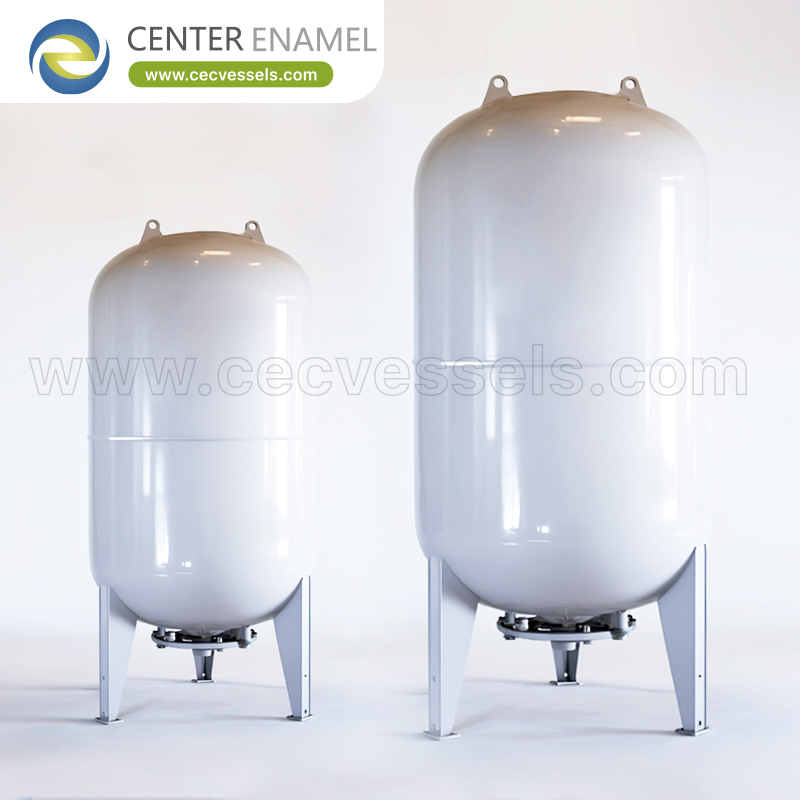
Pressure Vessel Solutions For Engineering Companies Support Model
| Place of Origin: | China |
| Brand Name: | Center Enamel |
| Certification: | ISO 9001,CE, NSF/ANSI 61, WRAS, ISO 28765, LFGB, BSCI, ISO 45001 |
| Minimum Order Quantity: | 1 Sets |
| Price: | 2000 |
| Delivery Time: | 2 months |
| Payment Terms: | L/C,T/T |
| Supply Ability: | 200 sets / days |
|
Detail Information |
|||
Product Description
Pressure Vessel Solutions For Engineering Companies Support Model
Support Starts Before The Order
Engineering companies need a vessel partner who can support decisions before the order is placed: sizing advice, code selection, specification review and bid-stage technical data.
This guide describes the support model engineering firms typically expect — what a manufacturer can contribute at feasibility, bid and detailed design stages, and where the boundaries lie.
Feasibility And Concept Stage
Engineering companies often develop concepts and budgets before a vessel is procured. A manufacturer that can give early technical input helps avoid specifications that are incomplete or unnecessarily costly.
Early involvement is not a substitute for the engineer's own design responsibility; it is a way to check that the intended equipment is practical and buildable.
Sizing And Configuration Advice
At concept stage the questions are about feasibility: can the duty be done in one vessel, what geometry fits the plot, which code is likely to apply, and are the material and size realistic.
A manufacturer can comment on fabrication practicality, transport limits and typical lead times, helping the engineer set a workable basis.
Code And Compliance Guidance
Engineers may ask a supplier to check a preliminary size or suggest a configuration — vertical or horizontal, the number of vessels, the type of internals — against the process data.
Such advice should be tied to stated assumptions. A size without its basis is not useful for comparison or later design.
Bid Stage Documents
Choosing between ASME, PED and other routes depends on destination and duty. A supplier with experience in multiple markets can explain the documentary and marking consequences of each.
The final code decision remains with the engineer or owner, but understanding the practical implications early avoids a late and costly change.
Specification Review
At bid stage engineering companies need clear data: technical specification, general arrangement, material basis, scope boundaries, exclusions and commercial terms in a comparable format.
Responding to an enquiry with a well-structured bid package reduces the questions the engineer must resolve before recommending a supplier.
Detailed Design Collaboration
A useful supplier review flags inconsistencies — a design pressure below the maximum operating case, a missing design temperature, a nozzle rating that does not match the flange class — before they reach fabrication.
This review protects the engineer and the client by catching errors while changes are still inexpensive.
Boundaries And Confidentiality
During detailed design the manufacturer supplies drawings and calculations for the engineer's review and works through comments in a controlled cycle.
Clear responsibilities matter: the engineer may own the process basis and approvals, while the manufacturer owns fabrication detail and code compliance of the built item.
Support should not blur responsibility. The manufacturer advises on buildability and supplies technical data; the engineering company remains responsible for its design and recommendations.
Commercial sensitivity and confidentiality should be agreed where a project is at bid stage or involves a client's proprietary process.
It also helps to state the status of early technical advice. A preliminary size or material suggestion given during feasibility is an input to the engineer's design, not a guaranteed performance or a binding offer. Marking such advice as preliminary and recording its assumptions protects both parties when the final design develops differently, and keeps the engineer's professional responsibility clearly intact.
A supplier can also add value by explaining the practical consequences of a design choice before it is locked in. Choosing a higher examination level may allow a thinner wall; specifying an unusual material may extend procurement and require special welding procedures; designing for full vacuum may add stiffeners but avoid a later re-rate. Presenting these as options with their trade-offs, rather than as a fixed proposal, lets the engineering company make an informed recommendation to its client and strengthens the quality of the final specification.
Support By Project Stage
| Stage | Engineer's need | Supplier contribution |
| Feasibility | Is the duty practical? | Buildability and limits |
| Sizing | Preliminary configuration | Geometry and internals advice |
| Code | Which route applies? | Multi-market implications |
| Bid | Comparable offers | Structured technical package |
| Detailed design | Review documents | Drawings and calculations |
| Procurement | Approve vendor | Revision-controlled submittals |
Information For Useful Supplier Support
| Item | Why needed |
| Process duty and fluid | Defines feasibility |
| Operating / design conditions | Sets the basis |
| Preliminary size | Allows a check |
| Destination market | Decides code route |
| Plot and transport limits | Constrains geometry |
| Bid format | Enables comparison |
| Confidentiality needs | Protects the client |
Conclusion
Engineering companies benefit most from vessel partners who give disciplined technical support from feasibility through detailed design, tied to explicit assumptions.
Define the support scope, keep responsibilities clear and use structured bid documents so engineering advice improves the design without blurring accountability.
About Center Enamel
Center Enamel is a pressure vessel and process equipment manufacturer based in China, producing stainless steel and carbon steel pressure vessels, separators, reactors, heat exchangers and storage tanks for chemical, oil and gas, power, food, pharmaceutical and water-treatment applications.
The company works under ASME VIII Div.1, GB/T 150 and ISO 9001, and can supply CE/PED marking for the EU market with material traceability, documented welding procedures, NDT and hydrostatic testing in the delivered data book.
- Certifications: ASME, ISO 9001, CE/PED, NSF/ANSI 61, WRAS, ISO 28765, LFGB, BSCI, ISO 45001.
- Standards: ASME VIII Div.1, GB/T 150, EN 13445 where required by the destination market.
- Commercial terms: Minimum order quantity 1 unit, typical lead time about 2 months, L/C or T/T.
Frequently Asked Questions (FAQ)
What support can a vessel supplier give an engineering company?
Buildability advice, sizing checks, code guidance, bid documents and drawing review.
When should a supplier be involved?
As early as feasibility, so the specification is practical and buildable.
Does supplier advice replace the engineer's design?
No. The engineering company retains design responsibility.
What is a sizing check?
Reviewing a preliminary size and configuration against stated process assumptions.
How does a supplier help with code choice?
By explaining the documentary and marking implications of each route by market.
What belongs in a bid package?
Specification, arrangement, material basis, scope, exclusions and commercial terms.
What is a specification review?
Flagging inconsistencies and missing conditions before fabrication.
Who owns detailed design approvals?
Usually the engineer or owner, under the contract.
What is a controlled document cycle?
Submission, comment, revision and approval with tracked status.
Why are assumptions important?
Advice without stated assumptions cannot be checked or compared.
How is confidentiality handled?
By agreeing scope and non-disclosure terms before sensitive details are shared.
Can a supplier suggest alternatives?
Yes, such as a different geometry or material, with the basis stated.
What speeds up bid evaluation?
A consistent, complete technical package from each supplier.
Does early support commit either party?
Only if a commercial agreement says so; define the boundary clearly.
What is the lead time for an engineered vessel?
About two months, subject to code, size and document cycle.
Suggested CTA: Request a technical quotation with your duty, pressure, temperature and fluid data, or discuss the package scope and interface with a Center Enamel engineer.