-
Glass Fused To Steel Tanks (896)
-
Stainless Steel Tanks (434)
-
Fusion Bonded Epoxy Tanks (660)
-
Galvanized Steel Tanks (321)
-
Aluminum Dome Roofs (1336)
-
Wastewater Storage Tanks (280)
-
Welded Steel Tanks (457)
-
Pressure Vessels (524)
-
Anaerobic Digester (217)
-
Industrial Water Tanks (424)
-
Glass Lined Steel Tanks (180)
-
Bolted Steel Tanks (389)
-
Sludge Storage Tank (115)
-
Biogas Storage Tank (173)
-
Leachate Storage Tanks (133)
-
Agricultural Water Storage Tanks (179)
-
Fire Water Tank (166)
-
Grain Storage Silos (146)
-
Biogas Projects (424)
-
Wastewater Treatment Projects (1872)
-
Double Membrane Roof (223)
|
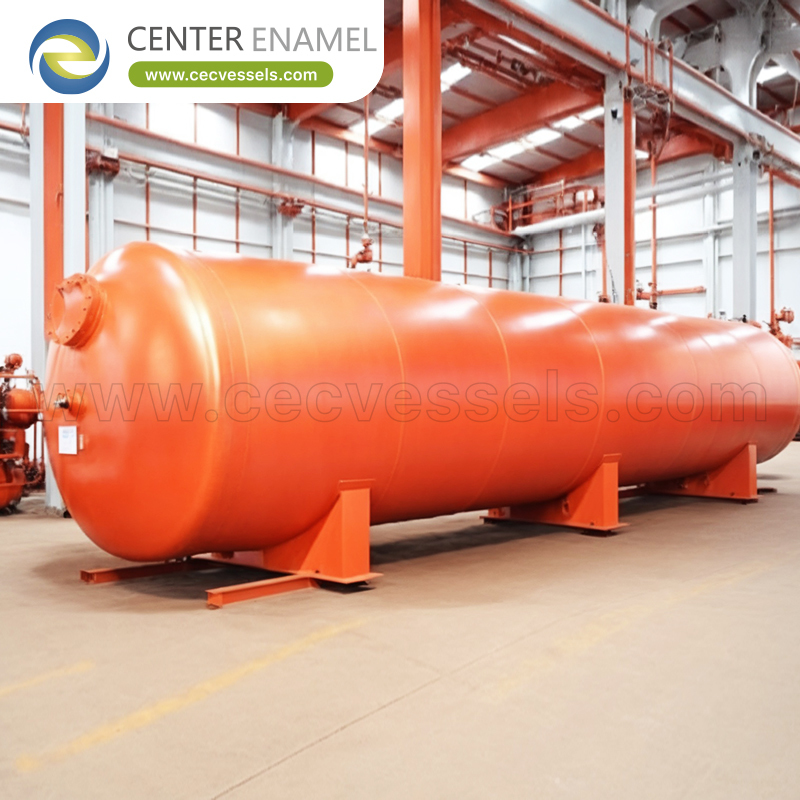
Pressure Vessel Vs Boiler Fired And Unfired Compared
| Place of Origin: | China |
| Brand Name: | Center Enamel |
| Certification: | ISO 9001,CE, NSF/ANSI 61, WRAS, ISO 28765, LFGB, BSCI, ISO 45001 |
| Minimum Order Quantity: | 1 Sets |
| Price: | 2000 |
| Delivery Time: | 2 months |
| Payment Terms: | L/C,T/T |
| Supply Ability: | 200 sets / days |
|
Detail Information |
|||
Product Description
A boiler is a pressure vessel that adds heat, but in code terms the two are separate classes: a boiler generates steam or hot water by firing, while an unfired pressure vessel contains a fluid under pressure without direct heat input.
This guide explains the fired/unfired distinction, the code sections behind it and why the difference changes design, materials, inspection and purchase scope.
The Fired And Unfired DivideThe decisive question is whether heat is applied directly to the pressure boundary by combustion or a fired heater. If it is, the equipment is a boiler or fired heater and falls under a different code section.
A vessel that happens to hold a hot fluid, or that is heated indirectly by a separate loop, is generally unfired. The classification follows the heat source and where the heat crosses into the pressure parts.
Purpose: Generate Steam Or Contain A ProcessA boiler's purpose is to convert water to steam or heat water for transfer. Its design is organised around heat flux, circulation, steam separation and dry-out margin.
An unfired vessel's purpose is containment, separation, reaction or storage. Its design is organised around pressure stress, corrosion allowance, openings and internals rather than heat input.
Different Code SectionsIn the ASME framework fired steam boilers are built to Section I, while unfired pressure vessels are built to Section VIII. The sections differ in allowable stresses, construction detail, inspection and certification.
A steam drum or a fired heater coil may therefore sit under a different section from the separator or receiver beside it, even when all are part of one process unit.
Design Loads Are Not The SameBoiler design must account for heat-driven stresses, thermal gradients across tube and drum walls, and the consequences of loss of water level or circulation. Water chemistry and scale control are design concerns.
Unfired vessel design centres on internal or external pressure, temperature, corrosion allowance, nozzle loads and cyclic duty. Thermal cycling matters, but the heat-flux failure modes of a fired surface do not.
Materials And ThicknessBoiler pressure parts are selected for high-temperature strength and resistance to fireside and waterside conditions. Tube and drum materials are chosen with the firing environment in mind.
Unfired vessels are selected primarily for the contained fluid and the design temperature. In many process services the corrosion mechanism, not the heat source, governs the material grade.
Inspection And OperationBoilers are subject to strict operational controls on water level, water treatment and firing, with statutory inspection regimes that reflect the risk of a fired pressure boundary.
Unfired vessels are inspected for wall loss, corrosion, crack initiation and relief-device condition. Both need qualified inspection, but the questions asked are different.
Where The Boundary Gets BlurredA steam drum is part of the boiler circuit even though it may look like a horizontal separator. A waste-heat unit with hot gas on one side raises the same fired/unfired question as a furnace.
Electric heaters and jacketed vessels need the same classification discipline: where the heat is generated and whether it crosses the pressure boundary decides the code route.
How To Specify The ScopeState whether the item is fired, the heat source, the design pressure and temperature, the fluid and the intended code section. Do not assume a steam service label alone settles the question.
For a package containing both fired and unfired items, list each item with its own code basis. That prevents a receiver or drum being ordered under the wrong section.
Pressure Vessel Versus Boiler|
Aspect |
Unfired pressure vessel |
Boiler / fired unit |
|
Heat source |
None across pressure boundary |
Combustion or fired heater |
|
Primary purpose |
Containment, separation, reaction |
Steam or hot-water generation |
|
ASME section |
Section VIII |
Section I |
|
Design driver |
Pressure, corrosion, openings |
Heat flux, circulation, level |
|
Failure concerns |
Rupture, leak, corrosion |
Dry-out, overheating, level loss |
|
Operation focus |
Pressure and relief control |
Water treatment and firing control |
|
Inspection focus |
Wall loss and cracks |
Pressure parts plus fired condition |
|
Question |
Why it matters |
|
Is heat applied to pressure parts? |
Decides fired vs unfired |
|
What is the heat source? |
Sets code section |
|
Is steam generated on site? |
Indicates boiler duty |
|
Design pressure and temperature |
Sets thickness and material |
|
Fluid and water chemistry |
Affects material and inspection |
|
Indirect heating loop? |
May keep vessel unfired |
|
Destination jurisdiction |
Defines enforcement |
The practical difference between a pressure vessel and a boiler is the fired pressure boundary and its purpose: a boiler generates steam by applying heat, while an unfired vessel contains a fluid under pressure.
Classify each item by heat source and duty, name the correct code section in the enquiry, and keep fired and unfired equipment on separate documentation lines.
About Center EnamelCenter Enamel is a pressure vessel and process equipment manufacturer based in China, producing stainless steel and carbon steel pressure vessels, separators, reactors, heat exchangers and storage tanks for chemical, oil and gas, power, food, pharmaceutical and water-treatment applications.
The company works under ASME VIII Div.1, GB/T 150 and ISO 9001, and can supply CE/PED marking for the EU market with material traceability, documented welding procedures, NDT and hydrostatic testing in the delivered data book.
- Certifications: ASME, ISO 9001, CE/PED, NSF/ANSI 61, WRAS, ISO 28765, LFGB, BSCI, ISO 45001.
- Standards: ASME VIII Div.1, GB/T 150, EN 13445 where required by the destination market.
- Commercial terms: Minimum order quantity 1 unit, typical lead time about 2 months, L/C or T/T.
A boiler applies heat to its pressure boundary to generate steam or hot water; an unfired vessel contains fluid under pressure without that heat input.
Which ASME section covers boilers?Section I for fired steam boilers; Section VIII covers unfired pressure vessels.
Is a steam drum a pressure vessel?It is part of the boiler circuit and is normally treated under the boiler code route, not as a standalone unfired vessel.
Can a vessel hold hot fluid and still be unfired?Yes, if the heat enters through a separate loop and not directly across its own pressure boundary.
What is dry-out in a boiler?Loss of adequate water cooling on a heated surface, which can overheat and damage the pressure parts.
Why is water treatment critical for boilers?Scale and impurities reduce heat transfer and accelerate corrosion of pressure parts.
What does a relief valve do on an unfired vessel?It limits pressure to the allowed limit under defined overpressure scenarios.
Does a jacketed vessel count as fired?Usually not if the jacket carries a separate heating medium; the classification depends on where heat crosses the boundary.
Are boiler inspection rules different?Yes. Fired units have additional statutory controls linked to water level, firing and pressure-part condition.
Can one package contain both classes?Yes. List each item with its own code basis rather than applying one section to the whole package.
What about waste heat or electric heating?Apply the same test: where heat is generated and whether it crosses the pressure boundary.
Which material factors dominate an unfired vessel?Fluid corrosivity and design temperature typically govern the grade.
Can a boiler be ordered as a standard vessel?No. Its fired construction and code requirements make it a distinct purchase scope.
What should the enquiry state?Fired or unfired, heat source, design pressure and temperature, fluid, code section and jurisdiction.
What is the lead time for an engineered vessel?About two months from a China manufacturer, subject to code, size and inspection scope.
Suggested CTA: Request a technical quotation with your duty, pressure, temperature and fluid data, or discuss the applicable code and compliance route with a Center Enamel engineer.