-
Glass Fused To Steel Tanks (896)
-
Stainless Steel Tanks (434)
-
Fusion Bonded Epoxy Tanks (660)
-
Galvanized Steel Tanks (321)
-
Aluminum Dome Roofs (1336)
-
Wastewater Storage Tanks (280)
-
Welded Steel Tanks (457)
-
Pressure Vessels (485)
-
Anaerobic Digester (217)
-
Industrial Water Tanks (384)
-
Glass Lined Steel Tanks (180)
-
Bolted Steel Tanks (389)
-
Sludge Storage Tank (115)
-
Biogas Storage Tank (173)
-
Leachate Storage Tanks (133)
-
Agricultural Water Storage Tanks (179)
-
Fire Water Tank (166)
-
Grain Storage Silos (146)
-
Biogas Projects (424)
-
Wastewater Treatment Projects (1832)
-
Double Membrane Roof (223)
|
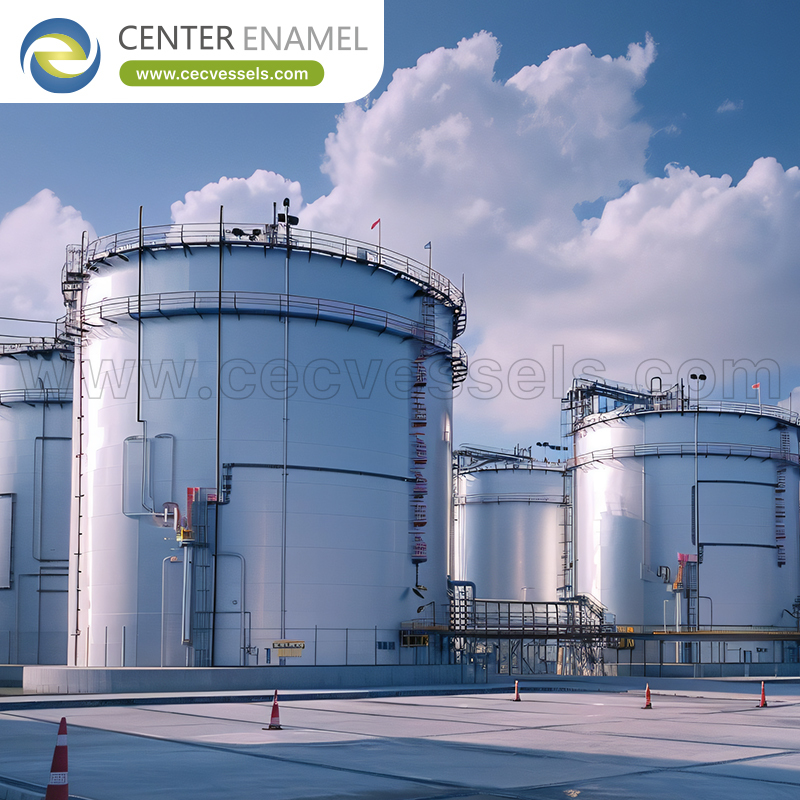
Cryogenic Pressure Vessel LNG Storage And Low Temperature Design
| Place of Origin: | China |
| Brand Name: | Center Enamel |
| Certification: | ISO 9001,CE, NSF/ANSI 61, WRAS, ISO 28765, LFGB, BSCI, ISO 45001 |
| Minimum Order Quantity: | 1 Sets |
| Price: | 2000 |
| Delivery Time: | 2 months |
| Payment Terms: | L/C,T/T |
| Supply Ability: | 200 sets / days |
|
Detail Information |
|||
Product Description
A cryogenic pressure vessel holds liquefied gas at deeply sub-zero temperature - LNG at about minus 162 C - which demands materials, insulation and codes unlike any ambient-temperature vessel.
This guide covers the low-temperature material choices, vacuum jacketing, the EN 14620 and ASME framework, and boil-off handling that define cryogenic vessel design.
What Cryogenic Duty MeansCryogenic service means the metal must stay tough and avoid brittle fracture at very low temperature, while the contained liquid stays cold enough to remain liquid under the design pressure.
LNG at about minus 162 C is the classic example; the vessel must therefore combine low-temperature toughness with insulation that limits heat leak and the resulting boil-off.
Low-Temperature MaterialsSingle-containment and many double-wall cryogenic tanks use 9 percent nickel steel for the inner shell because it retains toughness at LNG temperature; aluminium and austenitic stainless are alternatives for specific duties.
Carbon steel is unsuitable at these temperatures - it loses toughness and risks brittle fracture - so the material choice is a safety and code item, not a cost option.
Vacuum Jacketing And InsulationCryogenic vessels use vacuum insulation - often a vacuum jacket around the cold inner shell with perlite or multilayer insulation - to minimise heat leak and keep boil-off low.
The jacket is itself a pressure boundary in many designs, so it is specified and tested as part of the vessel, not as loose cladding.
Codes: EN 14620 And ASMELNG and low-temperature storage follow EN 14620 for the tank system and ASME VIII for the pressure-bearing parts, with the applicable national and PED requirements layered on for the market.
The design must prove low-temperature toughness (charpy and drop-weight testing per the standard) and the insulation/boil-off performance the duty requires.
Boil-Off And Vent HandlingDespite insulation, some heat leak boils off liquid; the design includes relief and, where used, boil-off gas handling or reliquefaction so pressure stays controlled during storage and filling.
Boil-off is a design parameter, not a fault - the vessel is specified with the relief and gas-management path sized for it.
Cryogenic Versus Ambient StorageCryogenic storage holds gas as a cold liquid at low pressure; ambient-pressure storage (such as LPG at room temperature) holds gas as a liquid under its vapour pressure at higher temperature.
The two need different materials and insulation, so the storage mode must be fixed before the vessel is specified - you do not choose cryogenic and ambient interchangeably.
For the same energy content, cryogenic liquid occupies far less volume than the gas at ambient pressure, which is why transport and bulk storage favour liquefaction despite the insulation cost.
Specification Checklist For BuyersState the stored fluid, the design temperature and pressure, the capacity, the insulation/boil-off target, and the code/marking (EN 14620, ASME, PED) in the purchase order.
Confirm the builder qualifies low-temperature materials and vacuum insulation, and verify the toughness and test evidence before award.
Cryogenic Versus Ambient StorageFactor |
Cryogenic |
Ambient (e.g. LPG) |
Temperature |
-160 C class |
Room temperature |
Material |
9% Ni / Al / SS |
Carbon steel |
Insulation |
Vacuum jacket |
None / light |
Pressure |
Low (cold liquid) |
Vapour pressure |
Boil-off |
Designed for |
Not applicable |
Input |
Why it matters |
Stored fluid |
Sets temperature |
Design temp |
-162 C class |
Design pressure |
Cold-liquid pressure |
Capacity |
Storage volume |
Insulation target |
Boil-off control |
Code + marking |
EN14620/ASME/PED |
A cryogenic pressure vessel holds LNG or similar liquid at about minus 162 C using 9 percent nickel steel or aluminium, vacuum jacketing and a code set - EN 14620 and ASME - with boil-off handled by design.
Fix the storage mode before specifying, confirm low-temperature material qualification and vacuum insulation, and verify the toughness and test evidence before award.
About Center EnamelCenter Enamel is a pressure vessel and process equipment manufacturer based in China, producing stainless steel and carbon steel pressure vessels, separators, reactors, heat exchangers and storage tanks for chemical, oil and gas, power, food, pharmaceutical and water-treatment applications.
Manufacturing is carried out under ASME VIII Div.1, GB/T 150 and ISO 9001 with CE/PED and NACE MR0175 / ISO 15156 options for sour service. Each unit is supplied with material traceability, hydrostatic or pneumatic testing, NDT and export documentation.
- Material range: Stainless steel (304 / 316L), duplex, carbon steel with rubber or epoxy lining for corrosion duty.
- Standards: ASME VIII Div.1, GB/T 150, ISO 9001, CE/PED, NACE MR0175 / ISO 15156.
- Commercial terms: Minimum order quantity 1 unit, typical lead time about 2 months, L/C or T/T.
What is a cryogenic pressure vessel?
A vessel holding liquefied gas at deeply sub-zero temperature, such as LNG at about minus 162 C, with low-temperature materials and insulation.
What temperature is LNG stored at?
About minus 162 C; the vessel must keep the liquid cold and the metal tough at that temperature.
Why 9 percent nickel steel?
It retains toughness at LNG temperature where carbon steel would risk brittle fracture; aluminium and austenitic stainless are alternatives.
Why vacuum jacketing?
Vacuum insulation with perlite or multilayer material minimises heat leak and keeps boil-off low; the jacket is part of the vessel boundary.
Which codes apply?
EN 14620 for the tank system and ASME VIII for pressure parts, with PED/national requirements layered for the market.
What is boil-off?
Vapour generated by residual heat leak; the vessel is designed with relief and gas handling sized for it, not as a fault.
How is cryogenic different from LPG storage?
Cryogenic holds cold liquid at low pressure with special materials; LPG is ambient-temperature pressurised storage without cryogenic insulation.
Can carbon steel be used?
Not at LNG temperature; it loses toughness and risks brittle fracture, so low-temperature grades are required.
What toughness testing is needed?
Charpy and drop-weight testing per the standard to prove low-temperature toughness of the materials.
What documents prove compliance?
Material certs with toughness data, vacuum/insulation test records, hydrostatic test and the data report per code.
How long to fabricate?
Engineered cryogenic vessels are scheduled around material qualification and insulation testing, often longer than ambient vessels.
What should the PO state?
Fluid, design temperature/pressure, capacity, insulation/boil-off target and code/marking.
Why fix storage mode first?
Cryogenic and ambient need different materials and insulation; they are not interchangeable choices.
Is relief still required?
Yes; cryogenic vessels need relief and boil-off gas handling as part of the design.
What is double-wall construction?
An inner cold shell within an outer shell with insulation between, common for LNG containment.
Suggested CTA: Request a technical quotation with your duty, pressure, temperature and fluid data, or discuss your project with a Center Enamel engineer for a sized proposal.