-
Glass Fused To Steel Tanks (896)
-
Stainless Steel Tanks (434)
-
Fusion Bonded Epoxy Tanks (660)
-
Galvanized Steel Tanks (321)
-
Aluminum Dome Roofs (1336)
-
Wastewater Storage Tanks (280)
-
Welded Steel Tanks (457)
-
Pressure Vessels (485)
-
Anaerobic Digester (217)
-
Industrial Water Tanks (384)
-
Glass Lined Steel Tanks (180)
-
Bolted Steel Tanks (389)
-
Sludge Storage Tank (115)
-
Biogas Storage Tank (173)
-
Leachate Storage Tanks (133)
-
Agricultural Water Storage Tanks (179)
-
Fire Water Tank (166)
-
Grain Storage Silos (146)
-
Biogas Projects (424)
-
Wastewater Treatment Projects (1832)
-
Double Membrane Roof (223)
|
Biogas Pressure Vessel Digestate And Biogas Scrubbing Vessel Design
| Place of Origin: | China |
| Brand Name: | Center Enamel |
| Certification: | ISO 9001,CE, NSF/ANSI 61, WRAS, ISO 28765, LFGB, BSCI, ISO 45001 |
| Minimum Order Quantity: | 1 Sets |
| Price: | 2000 |
| Delivery Time: | 2 months |
| Payment Terms: | L/C,T/T |
| Supply Ability: | 200 sets / days |
|
Detail Information |
|||
Product Description
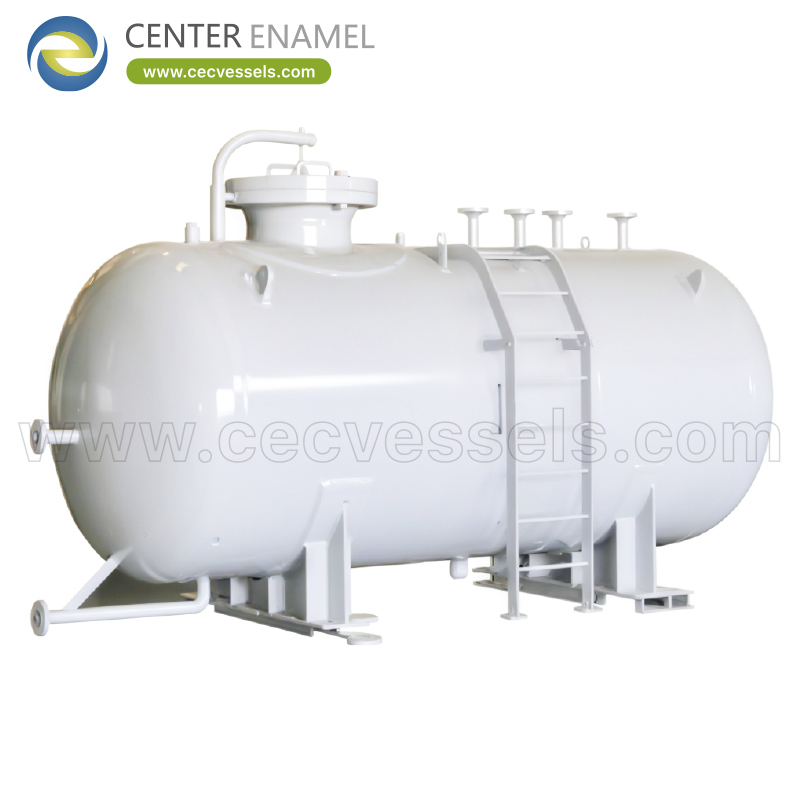
Biogas Pressure Vessel Digestate And Biogas Scrubbing Vessel Design
A biogas pressure vessel sits inside a biogas plant rather than beside it: digestate held under a gas blanket, scrubbing vessels that clean the gas, and knockouts or flares that protect downstream equipment.
Biogas duty is corrosive and biological, so this guide covers the vessel types and the material and code choices that make them durable - using verifiable engineering facts, not assumed performance.
Biogas Plant Context Sets The Duty
Biogas comes from anaerobic digestion of agricultural, food or wastewater sludge feedstock. The plant needs digestate handling, gas collection, gas cleaning and safe flaring - each a candidate pressure vessel by function.
The gas carries water vapour, hydrogen sulphide and sometimes siloxanes; the digestate is warm, biological and often mildly corrosive, so material selection follows the actual stream, not a generic assumption.
Digestate Buffer And Gas-Blanket Vessels
Digestate is typically held in large tanks, often with a biogas blanket rather than a pressure vessel; where a pressurised digestate or process vessel is used, the boundary must handle the gas pressure and the biological fluid.
These vessels need corrosion allowance and a lining or grade suited to the digestate, plus gas-tight details at the blanket so the collected biogas is not lost or contaminated.
Biogas Scrubbing Vessels (H2S And CO2)
Raw biogas is cleaned in scrubbing vessels - water or solvent scrubbers for CO2, and biological or iron-based media for hydrogen sulphide. Each is a pressure vessel with internals that answer the removal duty.
Hydrogen sulphide is the defining corrosion driver: wet H2S attacks steel and demands H2S-resistant material, lining or a corrosion allowance with the right inspection regime.
Knockout And Flare Protection
Biogas knockouts remove entrained liquid from the gas before compressors or flares; a flare knockout keeps liquid out of the flame so it does not rain out or oversize the flame.
These are pressure vessels by function and code, and their sizing follows gas velocity and liquid-loading, the same discipline used in any gas-liquid separator.
Material And Corrosion In Biogas
Carbon steel with corrosion allowance or lining suits many digestate duties; stainless or duplex is chosen where H2S, chloride or acidic condensate demand more resistance.
The dominant rule is to match the grade to the H2S and condensate chemistry, because ignoring it is what causes rapid, silent failure in biogas service.
Code, Marking And Documentation
Pressure-rated biogas vessels follow ASME VIII Div.1 or GB/T 150 with CE/PED where applicable; the rating, the gas-blanket or process pressure and the internals are part of the documented design.
Material certificates, NDT where required, hydrostatic or pneumatic test and the data report form the package, alongside any biological or gas-cleaning evidence the project requires.
Specification Checklist For Biogas Projects
State the duty (digestate, scrubber, knockout, flare), the gas and digestate composition including H2S, the design pressure and temperature, and the required code and marking in the purchase order.
Confirm the builder can match the material to the H2S and condensate chemistry and deliver the rated shell with the correct internals, then verify a sample data book.
Biogas Vessel Types
Type |
Driver |
Material note |
Digestate buffer |
Biological fluid |
CS + allowance / lining |
H2S scrubber |
Wet H2S |
H2S-resistant grade |
CO2 scrubber |
Solvent duty |
Follow solvent |
Knockout / flare |
Liquid carryover |
Gas-liquid separator |
All |
Code rated |
Documented design |
Biogas Vessel Specification Inputs
Input |
Why it matters |
Duty type |
Sets internal design |
Gas composition (H2S) |
Drives material |
Digestate analysis |
Corrosion + lining |
Design pressure |
Defines boundary |
Code + marking |
Pressure approval |
Conclusion
A biogas pressure vessel is specified for a corrosive, biological stream: digestate buffer under a gas blanket, H2S/CO2 scrubbing vessels, and knockouts or flares that protect downstream equipment.
Match the material to the H2S and condensate chemistry, confirm the rated shell and internals are delivered together, and verify a sample data book before award.
About Center Enamel
Center Enamel is a pressure vessel and process equipment manufacturer based in China, producing stainless steel and carbon steel pressure vessels, separators, reactors, heat exchangers and storage tanks for chemical, oil and gas, power, food, pharmaceutical and water-treatment applications.
Manufacturing is carried out under ASME VIII Div.1, GB/T 150 and ISO 9001 with CE/PED and NACE MR0175 / ISO 15156 options for sour service. Each unit is supplied with material traceability, hydrostatic or pneumatic testing, NDT and export documentation.
- Material range: Stainless steel (304 / 316L), duplex, carbon steel with rubber or epoxy lining for corrosion duty.
- Standards: ASME VIII Div.1, GB/T 150, ISO 9001, CE/PED, NACE MR0175 / ISO 15156.
- Commercial terms: Minimum order quantity 1 unit, typical lead time about 2 months, L/C or T/T.
Frequently Asked Questions (FAQ)
What is a biogas pressure vessel?
A code vessel within a biogas plant - digestate buffer, gas scrubbing, knockout or flare - specified for corrosive, biological duty.
Why is H2S the key driver?
Wet hydrogen sulphide attacks steel; ignoring it causes rapid failure, so material and inspection follow the H2S level.
What does a scrubber vessel do?
Cleans raw biogas - water/solvent for CO2, biological or iron media for H2S - each a pressure vessel with removal internals.
Are digestate tanks pressure vessels?
Often large tanks with a gas blanket; a pressurised digestate or process vessel needs a code-rated boundary.
Which material for biogas?
Carbon steel with allowance or lining for many duties; stainless or duplex where H2S, chloride or acidic condensate demand more.
What is a biogas knockout?
A gas-liquid separator that removes entrained liquid before compressors or flares, sized on gas velocity and liquid loading.
What does a flare knockout do?
Keeps liquid out of the flame so it does not rain out or oversize the flame - a pressure vessel by function.
Which code applies?
Pressure-rated vessels follow ASME VIII Div.1 or GB/T 150, with CE/PED where applicable.
What documents prove compliance?
Material certs, NDT where required, test certificate and the data report, plus gas-cleaning evidence if required.
How is biogas different from water treatment?
Biogas adds H2S corrosion and biological digestate; water treatment centres on filtration, RO and ion exchange.
What corrosion allowance is used?
Follows the expected H2S and digestate rate; too little shortens life, too much wastes material.
How long to fabricate?
About 2 months from a China manufacturer for an engineered vessel scheduled around certification.
What should the PO state?
Duty, gas/digestate composition incl. H2S, design pressure/temperature and required code/marking.
Why verify the data book early?
It proves the material matches the H2S chemistry and the internals match the duty before build.
Is lining common in biogas?
Yes for carbon-steel digestate and some scrubber duties, with lining integrity verified at acceptance.
Suggested CTA: Request a technical quotation with your duty, pressure, temperature and fluid data, or discuss your project with a Center Enamel engineer for a sized proposal.