-
Glass Fused To Steel Tanks (596)
-
Stainless Steel Tanks (434)
-
Fusion Bonded Epoxy Tanks (592)
-
Galvanized Steel Tanks (321)
-
Aluminum Dome Roofs (1336)
-
Wastewater Storage Tanks (232)
-
Welded Steel Tanks (457)
-
Pressure Vessels (295)
-
Anaerobic Digester (202)
-
Industrial Water Tanks (349)
-
Glass Lined Steel Tanks (180)
-
Bolted Steel Tanks (389)
-
Sludge Storage Tank (115)
-
Biogas Storage Tank (173)
-
Leachate Storage Tanks (133)
-
Agricultural Water Storage Tanks (179)
-
Fire Water Tank (166)
-
Grain Storage Silos (146)
-
Biogas Projects (424)
-
Wastewater Treatment Projects (1258)
-
Double Membrane Roof (223)
|
IC Technology: A High-Efficiency Solution for Industrial Wastewater Treatment
| Place of Origin: | China |
| Brand Name: | CEC TANKS |
| Certification: | ISO 9001:2008, AWWA D103 , OSHA , BSCI |
| Model Number: | J2016012631 |
| Minimum Order Quantity: | 1set |
| Price: | $5000~$20000 one set |
| Packaging Details: | PE poly-foam between each two steel plates ; wooden pallet and wooden box |
| Delivery Time: | 0-60 days after deposit received |
| Payment Terms: | L/C,T/T |
| Supply Ability: | 60 sets per month |
|
Detail Information |
|||
Product Description
In the modern industrial landscape, stringent environmental regulations and rising wastewater discharge fees demand advanced, high-performance effluent management strategies. Industries characterized by high-strength organic wastewater—such as food and beverage processing, breweries, distilleries, pulp and paper mills, and chemical manufacturing—frequently struggle with massive Chemical Oxygen Demand (COD) loads that overwhelm conventional aerobic and traditional anaerobic treatment systems.
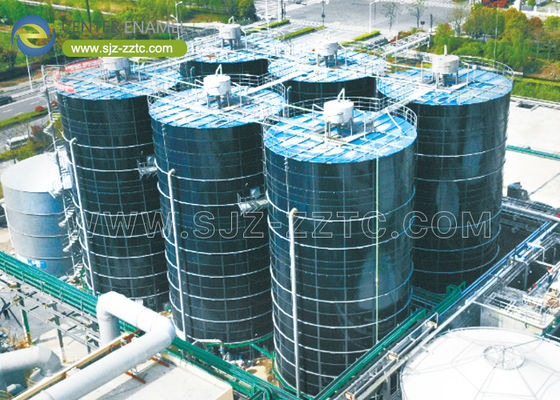
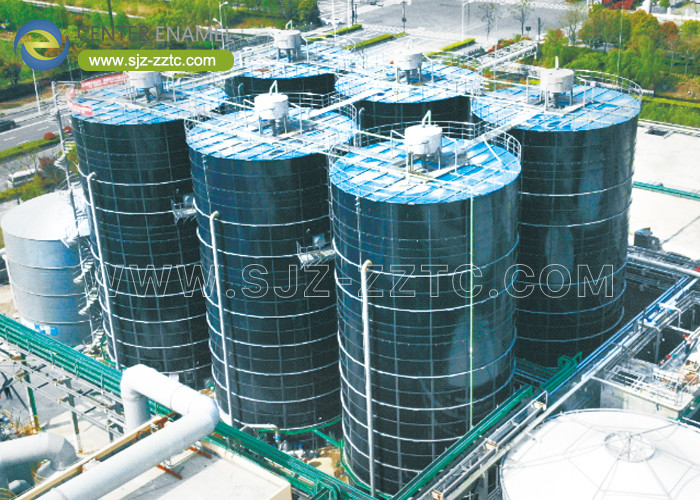
Representing the pinnacle of third-generation biological treatment, the Internal Circulation (IC) Anaerobic Reactor has emerged as the definitive solution for high-efficiency industrial wastewater treatment. Evolving directly from traditional Upflow Anaerobic Sludge Blanket (UASB) systems, IC technology introduces a self-regulating, gas-driven internal circulation loop that drastically enhances mass transfer, minimizes land footprints, and converts complex organic pollutants into clean, renewable biogas.
An IC reactor is essentially a tall, vertical tower housing two stacked anaerobic treatment stages in series. Its unique performance advantage stems from five distinct functional zones working in unison:
- Mixing Zone (Bottom): Raw industrial influent enters at the base, where it blends thoroughly with high-density granular sludge and the recirculated liquid stream.
- First Anaerobic Zone: The primary digestion chamber degrades the majority of incoming organic matter. The intense biological activity generates significant biogas, creating a powerful "gas-lift" effect that fluidizes the sludge bed and propels the sludge-water mixture upward.
- Gas-Liquid Separation (First Stage): At the top of the first compartment, a specialized phase separator collects the biogas while directing the remaining liquid and suspended sludge into an internal riser pipe.
- Internal Circulation Loop: Driven entirely by the energy of the biogas, the mixture is sent to the top separator and returned to the bottom mixing zone via a downcomer pipe. This self-generated loop achieves internal reflux ratios 10 to 20 times the incoming flow rate, effectively diluting toxic shock loads and stabilizing internal pH.
- Second Anaerobic Zone (Polishing Stage): Effluent flows into the upper compartment for secondary polishing under lower organic loads, ensuring that final discharge water meets strict environmental standards before leaving the reactor.
Implementing an IC reactor system delivers immediate operational and economic benefits over traditional wastewater treatment configurations:
- Massive Organic Loading Capacity: Because of intense internal mixing and high granular sludge retention, IC reactors handle volumetric organic loading rates of 15 to 30+ kg COD/m³/d—processing wastewater 3 to 5 times faster than standard UASB systems.
- Ultra-Compact Vertical Footprint: The tall, slender tower design (high height-to-diameter ratio) requires only one-quarter to one-third of the land area needed by conventional horizontal systems, making it ideal for space-constrained facilities.
- Zero-Energy Circulation: The internal circulation is powered entirely by naturally generated biogas, eliminating the need for energy-consuming external mechanical pumps or mixers.
- Valuable Energy Recovery: Anaerobic digestion breaks down complex organics into high-purity biogas containing 70% to 80% methane, which can be captured and utilized for boiler heating or on-site electricity generation.
| Evaluation Metric | Third-Generation IC Reactor | Traditional UASB Reactor | Conventional Aerobic Treatment |
|---|---|---|---|
| Volumetric COD Loading Rate | Very High (15–30+ kg COD/m³/d) | Moderate (4–15 kg COD/m³/d) | Low (1–3 kg COD/m³/d) |
| Land Footprint Requirements | Compact (Tall vertical tower saving up to 75% space) | Large (Requires expansive horizontal basin layouts) | Very Large (Demands extensive aeration tanks and secondary clarifiers) |
| Energy Consumption & Profile | Net Energy Producer (Generates clean biogas; zero circulation pumps) | Low (Passive upflow; minimal energy use) | High (Continuous, heavy electrical demand for mechanical aeration) |
| Excess Sludge Generation | Minimal (High-density granular sludge yields very low waste sludge) | Moderate (Pelletized sludge with lower disposal volumes) | High (Massive volumes of biological secondary waste sludge requiring dewatering) |
Engineering Assurance: Advanced IC reactor systems are custom-engineered to match specific industrial influent profiles, complying strictly with international quality management systems and structural standards to guarantee long-term operational safety and regulatory compliance.