-
Glass Fused To Steel Tanks (896)
-
Stainless Steel Tanks (434)
-
Fusion Bonded Epoxy Tanks (660)
-
Galvanized Steel Tanks (321)
-
Aluminum Dome Roofs (1336)
-
Wastewater Storage Tanks (280)
-
Welded Steel Tanks (457)
-
Pressure Vessels (475)
-
Anaerobic Digester (217)
-
Industrial Water Tanks (374)
-
Glass Lined Steel Tanks (180)
-
Bolted Steel Tanks (389)
-
Sludge Storage Tank (115)
-
Biogas Storage Tank (173)
-
Leachate Storage Tanks (133)
-
Agricultural Water Storage Tanks (179)
-
Fire Water Tank (166)
-
Grain Storage Silos (146)
-
Biogas Projects (424)
-
Wastewater Treatment Projects (1822)
-
Double Membrane Roof (223)

|
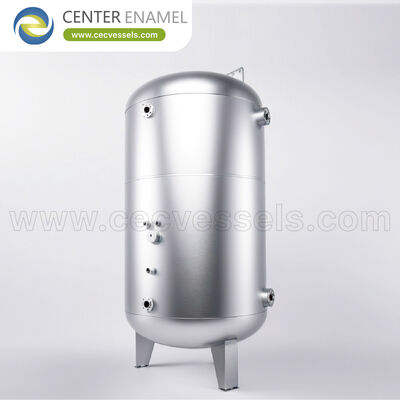
Custom Pressure Vessel Manufacturer How To Brief Specify And Manage A Built To Spec Build
| Place of Origin: | China |
| Brand Name: | Center Enamel |
| Certification: | ISO 9001,CE, NSF/ANSI 61, WRAS, ISO 28765, LFGB, BSCI, ISO 45001 |
| Minimum Order Quantity: | 1 Sets |
| Price: | 2000 |
| Delivery Time: | 2 months |
| Payment Terms: | L/C,T/T |
| Supply Ability: | 200 sets / days |
|
Detail Information |
|||
Product Description
Custom Pressure Vessel Manufacturer How To Brief Specify And Manage A Built To Spec Build
A custom pressure vessel manufacturer turns your process data sheet into a one-off, built-to-spec unit - which means the quality of the outcome depends as much on your brief as on the shop's skill.
The buyer's task is to write an unambiguous specification, agree the interfaces and inspection plan up front, and manage changes so the vessel arrives compliant rather than 'close enough'.
Write The Data Sheet Before The Drawing
Start with the process data sheet: fluid, worst-case pressure and temperature, capacity, orientation, code and any marking. The drawing is the manufacturer's translation of this, not a substitute.
Ambiguity in the data sheet propagates into the design; fixing it after fabrication costs far more than fixing it on paper.
Define Interfaces Explicitly
Specify nozzle sizes, ratings, facing, orientation and the instruments or internals the vessel must accept, because mismatched nozzles are the most common field re-work.
For skid or packaged units, define the battery-limit interfaces - where the vessel ends and piping/instrumentation begins - so responsibility is clear.
Agree The Inspection And Test Plan
The ITP should state which seams are radiographed, the examination extent, the test pressure and who witnesses it, agreed before welding starts.
A signed ITP prevents the 'we do not normally X-ray that seam' surprise at the end of the job.
Material And Corrosion Allowance
State the material grade and the corrosion allowance explicitly; leaving it to the shop invites the minimum grade that may not suit your fluid over the vessel's life.
For aggressive service, specify lining or duplex and confirm the allowance is built into the design thickness, not added as an afterthought.
Change Control During Build
Any change to pressure, fluid, material or nozzle after start should go through a written change note with cost and schedule impact, not a verbal request to the workshop.
Uncontrolled changes are how a code vessel quietly drifts out of compliance with the approved design.
Documentation Handover
Agree the document set at award: material certs, WPS/PQR, NDT, heat-treatment, test certificate and data report, delivered with the vessel not weeks later.
A complete data book at handover is what lets you permit and commission without chasing paperwork.
Acceptance And Punch List
Use the ITP and data report as the acceptance basis; close punch-list items before final payment rather than accepting on promise.
For export, confirm packing, coating and shipping documents meet the destination requirement before the unit leaves the factory.
Managing The Relationship
Treat the custom manufacturer as a design partner: early clarification beats late rejection, and a responsive engineering contact reduces risk more than a low price.
Keep one technical point of contact on each side so questions resolve quickly and are recorded.
Total Cost Of Ownership
A custom vessel's price is only the start; lifetime cost includes inspection, maintenance access, spare internals and the risk of a non-conforming unit that must be reworked or replaced.
Specifying maintainability - cleanable internals, accessible nozzles, conservative corrosion allowance - reduces lifecycle cost more than shaving the initial shell price.
For export, also weight packing and coating quality, because transit damage from poor crating is a cost that arrives after the invoice is paid.
Custom Versus Standard Vessel Sourcing
Aspect |
Custom build |
Standard item |
Specification |
Full data sheet |
Catalog rating |
Design ownership |
Shared (you brief) |
Manufacturer |
Lead time |
Longer |
Shorter |
Change cost |
High if late |
Low |
Acceptance |
ITP-driven |
Catalog check |
Information To Put In A Custom Vessel Brief
Item |
Specify |
Fluid + properties |
Corrosive, flammable, toxic |
Max pressure + temp |
Worst case, with peaks |
Capacity + orientation |
Volume, vertical/horizontal |
Code + marking |
ASME/GB/CE-PED |
Nozzles + interfaces |
Size, rating, facing |
Corrosion allowance |
Per service life |
Conclusion
A custom pressure vessel manufacturer delivers what you specify; the brief, the agreed ITP and disciplined change control decide whether the result is compliant or merely close.
Write the data sheet first, define interfaces and inspection explicitly, and manage changes in writing so the vessel arrives as designed rather than as improvised.
About Center Enamel
Center Enamel is a pressure vessel and process equipment manufacturer based in China, producing stainless steel and carbon steel pressure vessels, separators, reactors, heat exchangers and storage tanks for chemical, oil and gas, power, food, pharmaceutical and water-treatment applications.
Manufacturing is carried out under ASME VIII Div.1, GB/T 150 and ISO 9001 with CE/PED and NACE MR0175 / ISO 15156 options for sour service. Each unit is supplied with material traceability, hydrostatic or pneumatic testing, NDT and export documentation.
- Material range: Stainless steel (304 / 316L), duplex, carbon steel with rubber or epoxy lining for corrosion duty.
- Standards: ASME VIII Div.1, GB/T 150, ISO 9001, CE/PED, NACE MR0175 / ISO 15156.
- Commercial terms: Minimum order quantity 1 unit, typical lead time about 2 months, L/C or T/T.
Frequently Asked Questions (FAQ)
What is a custom pressure vessel manufacturer?
A shop that builds a one-off, built-to-spec vessel from your process data sheet rather than a catalog item.
What goes in the brief?
Fluid and properties, worst-case pressure and temperature, capacity, orientation, code, nozzles, interfaces and corrosion allowance.
Why write the data sheet first?
The drawing is the manufacturer's translation of it; ambiguity in the data sheet propagates into the design and is costly to fix later.
What is an ITP and why agree it early?
Inspection and test plan stating examined seams, extent, test pressure and witnesses; agreeing early prevents end-of-job surprises.
How do I avoid nozzle re-work?
Specify nozzle size, rating, facing and orientation, and define battery-limit interfaces for skid units.
What is change control?
Written change notes with cost and schedule impact for any post-start change, preventing quiet drift from the approved design.
What documents should handover include?
Material certs, WPS/PQR, NDT, heat-treatment, test certificate and data report, delivered with the vessel.
How is acceptance done?
Against the ITP and data report, closing punch-list items before final payment.
What corrosion allowance should I state?
The allowance for your fluid over the vessel's life, built into design thickness, not added later.
Is a custom vessel slower?
Yes; engineered units take longer than catalog items, about 2 months from a China manufacturer.
Can custom vessels be skid-mounted?
Yes; then define where the vessel ends and piping/instrumentation begins.
Who owns the design?
You brief it, the manufacturer designs to code; shared ownership means clear interface definition.
What if the shop suggests changes?
Route them through written change control with confirmed cost and schedule impact.
Should I keep one contact per side?
Yes; a single technical point of contact on each side speeds resolution and keeps a record.
Why treat them as a design partner?
Early clarification beats late rejection, and responsiveness reduces risk more than a low price alone.
Suggested CTA: Request a technical quotation with your duty, pressure, temperature and fluid data, or discuss your project with a Center Enamel engineer for a sized proposal.