-
Glass Fused To Steel Tanks (596)
-
Stainless Steel Tanks (434)
-
Fusion Bonded Epoxy Tanks (592)
-
Galvanized Steel Tanks (321)
-
Aluminum Dome Roofs (1336)
-
Wastewater Storage Tanks (232)
-
Welded Steel Tanks (457)
-
Pressure Vessels (295)
-
Anaerobic Digester (202)
-
Industrial Water Tanks (349)
-
Glass Lined Steel Tanks (180)
-
Bolted Steel Tanks (389)
-
Sludge Storage Tank (115)
-
Biogas Storage Tank (173)
-
Leachate Storage Tanks (133)
-
Agricultural Water Storage Tanks (179)
-
Fire Water Tank (166)
-
Grain Storage Silos (146)
-
Biogas Projects (424)
-
Wastewater Treatment Projects (1068)
-
Double Membrane Roof (223)

|
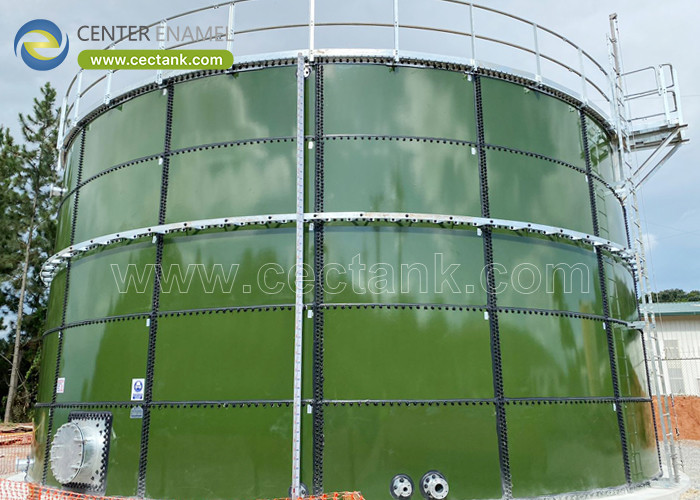
Center Enamel Provides Epoxy Coated Steel Tanks For Desalination Project
| Place of Origin: | China |
| Brand Name: | CEC TANKS |
| Certification: | ISO 9001:2008, AWWA D103 , OSHA , BSCI |
| Model Number: | J2016012311 |
| Minimum Order Quantity: | 1set |
| Price: | $5000~$20000 one set |
| Packaging Details: | PE poly-foam between each two steel plates ; wooden pallet and wooden box |
| Delivery Time: | 0-60 days after deposit received |
| Payment Terms: | L/C,T/T |
| Supply Ability: | 60 sets per month |
|
Detail Information |
|||
| Place of Origin | China | Brand Name | CEC TANKS |
|---|---|---|---|
| Certification | ISO 9001:2008, AWWA D103 , OSHA , BSCI | Model Number | J2016012311 |
| PH Range: | A Grade Sheet PH:3-11, AA Grade Sheet PH : 1-14 | Coating Thickness: | Two Coating Internal And External |
| Corrosion Resistance: | Excellent ! Suitable For Waste Water Salt Water, Sea Water, High Sulfur Crude Oil, Salt Fox, Organic And Inorganic Compounds | Adhesion: | 3,450N/cm |
| Permeability: | Gas And Liquid Impermeable | Serive Life: | More Than 30 Years |
| Highlight: | Desalination project Epoxy coated steel tanks,Epoxy Coated Steel Tanks |
||
Product Description
Center Enamel Provides Epoxy Coated Steel Tanks For Desalination Project
An epoxy-coated steel tank for desalination projects is a high-performance, corrosion-resistant modular containment vessel engineered specifically to store high-purity permeate water, pre-treated saline feed water, or brine reject in seawater reverse osmosis (SWRO) facilities. Desalination plants operate in highly corrosive coastal environments where aggressive chloride concentrations and marine air rapidly degrade ordinary carbon steel. By utilizing heavy-duty Fusion-Bonded Epoxy (FBE) or specialized multi-layer industrial coatings applied to high-tensile bolted steel panels, these tanks deliver the structural integrity, chemical resistance, and rapid modular deployment required for modern municipal and industrial water augmentation.
The Critical Engineering Challenges of Desalination Infrastructure
Seawater desalination is vital for securing water supplies in arid and coastal regions, but it introduces severe operational hurdles for storage infrastructure:
-
Aggressive Salinity and Chloride Attack: Seawater and brine reject contain high levels of dissolved salts and chlorides that accelerate pitting and rust on unprotected metal surfaces.
-
High-Purity Permeate Aggressiveness: Once treated via reverse osmosis, permeate water has very low mineral content, making it chemically active and aggressive toward certain storage linings if the material is not completely inert and food-grade certified.
-
Coastal Environmental Exposure: Salt-laden coastal winds and high ambient humidity subject the exterior of the tanks to severe atmospheric weathering, demanding robust exterior and interior coating systems.
Engineering Advantages of Epoxy-Coated Steel Desalination Tanks
1. Superior Fusion-Bonded Epoxy (FBE) Protection
Center Enamel’s epoxy-coated tanks utilize advanced powder coating or multi-layer liquid epoxy systems cured under strict factory heat controls. This creates a dense, highly cross-linked barrier that isolates the high-strength steel substrate from direct contact with saline water, brine, or aggressive permeate, preventing sub-film corrosion.
2. Rapid Modular Installation in Remote Coastal Locations
Desalination plants are frequently constructed in remote coastal or island regions where heavy on-site labor and concrete curing supplies are scarce. Prefabricated, bolted steel panels arrive as modular kits that can be erected rapidly using lightweight equipment, drastically reducing project timelines and logistical costs.
3. Structural Flexibility and Seismic Resilience
Coastal regions are often subject to strict wind load requirements and seismic safety codes. The bolted design of modular steel tanks provides controlled structural flexibility, absorbing dynamic stresses without cracking or structural failure.
Comparative Matrix: Desalination Storage Technologies
| Performance Metric | Epoxy-Coated Bolted Steel Tank | Cast-in-Place Concrete Basin | Welded Carbon Steel Tank |
| Corrosion Resistance | High (Specialized FBE barrier against chlorides) | Moderate (Vulnerable to salt carbonation and cracking) | Low (Requires frequent field coating maintenance) |
| Installation Speed | Fast (Prefabricated, modular bolted kit) | Very Slow (Extended formwork and concrete curing) | Slow (Extensive field welding and testing) |
| Purity Protection | High (Food-grade, inert interior linings) | Moderate (Requires specialized interior sealing) | Moderate (Prone to coating breakdown) |
| Design Lifespan | 30+ Years | 20–25 Years | 15–20 Years |
| Site Adaptability | High (Ideal for remote coastal locations) | Low (Requires heavy local batching and labor) | Moderate |
Ensuring Long-Term Reliability in Water Desalination
Integrating a reliable storage vessel into a desalination process ensures stable distribution pressures, provides adequate buffer capacity for peak demand shifts, and safeguards water quality from plant to pipeline. Center Enamel’s engineering team customizes every tank with appropriate nozzle configurations, access hatches, and level indication accessories tailored to specific SWRO plant layouts.
Frequently Asked Questions (FAQ)
Q: Why are epoxy-coated steel tanks ideal for desalination projects?
A: Epoxy-coated steel tanks provide exceptional resistance to chloride-induced corrosion and high-salinity environments. Their factory-applied Fusion-Bonded Epoxy (FBE) coatings protect the steel substrate from aggressive sea water, brine reject, and purified permeate water.
Q: Are epoxy-coated tank linings safe for storing drinking water produced by desalination?
A: Yes. The interior epoxy coatings utilized by Center Enamel comply with stringent international public health standards (such as NSF/ANSI 61 and FDA guidelines), ensuring that treated permeate water remains completely safe, non-toxic, and free from chemical leaching.
Q: How do these tanks handle harsh coastal weather conditions?
A: Designed with heavy-duty exterior coatings and high-tensile steel structural calculations, epoxy-coated bolted tanks resist salt-fog corrosion, high wind speeds, and seismic forces common in coastal desalination plant locations.
Q: Can these tanks be expanded if the desalination plant increases capacity?
A: Yes. Due to their modular bolted construction, epoxy-coated steel tanks can be inspected easily and, in many cases, modified or expanded as municipal water demand grows.
Partnering for Your Desalination Infrastructure
At Center Enamel, we combine advanced manufacturing capabilities with deep engineering expertise to deliver robust, high-performance containment solutions for municipal and industrial water treatment projects worldwide.
Are you planning a desalination or water treatment project? Contact our engineering team today for a technical consultation, capacity sizing, and a customized proposal.