-
Glass Fused To Steel Tanks (896)
-
Stainless Steel Tanks (434)
-
Fusion Bonded Epoxy Tanks (652)
-
Galvanized Steel Tanks (321)
-
Aluminum Dome Roofs (1336)
-
Wastewater Storage Tanks (280)
-
Welded Steel Tanks (457)
-
Pressure Vessels (426)
-
Anaerobic Digester (202)
-
Industrial Water Tanks (349)
-
Glass Lined Steel Tanks (180)
-
Bolted Steel Tanks (389)
-
Sludge Storage Tank (115)
-
Biogas Storage Tank (173)
-
Leachate Storage Tanks (133)
-
Agricultural Water Storage Tanks (179)
-
Fire Water Tank (166)
-
Grain Storage Silos (146)
-
Biogas Projects (424)
-
Wastewater Treatment Projects (1722)
-
Double Membrane Roof (223)

|
Fire Protection Water Storage Tanks: NFPA 22 and Bolted Tank Design
| Place of Origin: | China |
| Brand Name: | CEC TANKS |
| Certification: | ISO 9001:2008, AWWA D103 , OSHA , BSCI |
| Model Number: | W |
| Minimum Order Quantity: | 1set |
| Price: | $5000~$20000 one set |
| Packaging Details: | PE poly-foam between each two steel plates ; wooden pallet and wooden |
| Delivery Time: | 10-30 days after deposit received |
| Payment Terms: | L/C,T/T |
| Supply Ability: | 60 sets per month |
|
Detail Information |
|||
| Place of Origin | China | Brand Name | CEC TANKS |
|---|---|---|---|
| Certification | ISO 9001:2008, AWWA D103 , OSHA , BSCI | Model Number | W |
| Corrosion Resistance: | Suitable For Waste Water Salt Water, Sea Water, High Sulfur Crude Oil, Salt Fox, Organic And Inorganic Compounds | Elastic: | Same As Steel Sheet |
| Tank Body Color: | Customized Design | Coating Thickness: | No |
| Foundation: | Concrete | Steel Grade: | Steel |
| Highlight: | NFPA 22 water storage tanks,bolted fire protection tanks,fusion bonded epoxy tanks |
||
Product Description
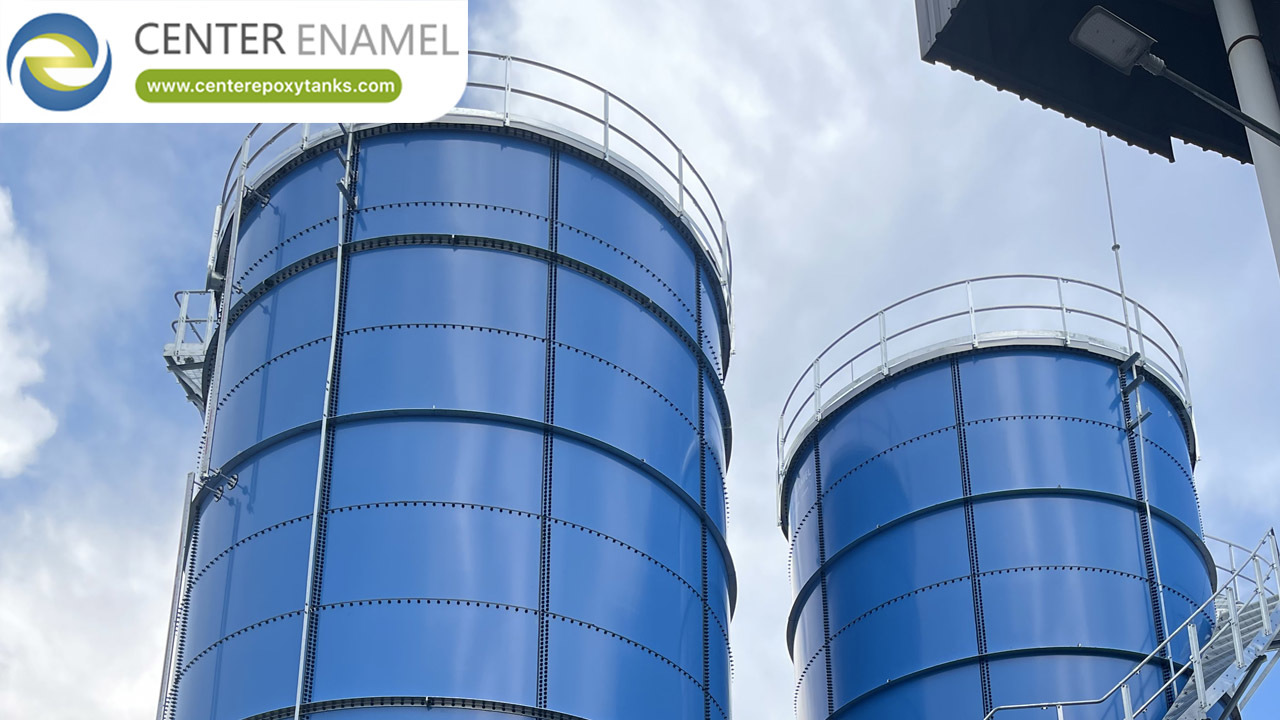
A fire-protection water tank is not a process tank - it is a life-safety asset that must deliver a defined volume at a defined rate when called upon, often after years of sitting idle. In the US and many export markets, NFPA 22 governs the design. This article covers NFPA 22 and bolted tank design for fire water, anchored to three verified Center Enamel deliveries: Guatemala (598 m3, 2024), Panama (268 m3, 2024) and Jamaica (554 m3, 2025).
Key TakeawayFire-protection water tanks are life-safety assets governed by NFPA 22: they must deliver a defined volume at a defined rate on demand, often after long idle periods. Bolted GFS tanks suit this duty. Center Enamel delivered verified fire-water tanks in Guatemala (598 m3, 2 tanks, 2024, aluminum flat roof), Panama (268 m3, 1 tank, 2024, aluminum dome) and Jamaica (554 m3, 1 tank, 2025, enamel roof); diameters and heights are not disclosed and reported as Not Provided. Confirm the required fire flow, duration and NFPA 22 details before specifying.
NFPA 22 sets the rules for private fire service water tanks: capacity, elevation or pump requirement, inlet/outlet sizing, overflow, and freeze protection. Because the tank may sit full and unused for years, the standard emphasizes reliability and inspection over everyday process convenience. A fire tank that fails on demand is not a tank that passed.
- Capacity and fire flow by hazard.
- Elevation or fire pump requirement.
- Inlet/outlet and overflow sizing.
- Reliability over everyday use.
The required volume comes from the fire-flow rate (gallons or liters per minute) multiplied by the required duration (often 2-4 hours for the hazard class), plus any sprinkler or hose-stream allowance. The tank must hold that total with the needed net head at the draw-off, so the hydraulic calculation drives the geometry.
- Flow rate x duration = required volume.
- 2-4 h typical by hazard class.
- Add sprinkler / hose-stream allowance.
- Net head at draw-off drives geometry.
Bolted GFS tanks are factory-enameled, go up fast without shell welding, and the inert enamel resists the standing water with no field coating to weather during idle periods. Roof options - aluminum flat, aluminum dome or enamel cover (as in the three references) - keep debris and sunlight out of the reserve.
- Factory-enameled, fast bolted erection.
- Inert enamel resists standing water.
- No field coating to weather when idle.
- Aluminum or enamel roofs keep water clean.
Three verified Center Enamel fire-water tanks confirm the pattern: Guatemala (598 m3, 2 tanks, 2024, aluminum flat roof), Panama (268 m3, 1 tank, 2024, aluminum dome) and Jamaica (554 m3, 1 tank, 2025, enamel roof). Diameter and height are not disclosed in the public records.
| Country / Year | Volume | Tanks | Roof |
|---|---|---|---|
| Guatemala / 2024 | 598 m3 | 2 | Aluminum flat |
| Panama / 2024 | 268 m3 | 1 | Aluminum dome |
| Jamaica / 2025 | 554 m3 | 1 | Enamel cover |
In colder climates, NFPA 22 requires freeze protection (heated, buried or recirculating systems) so the reserve is available in winter. Regardless of climate, the tank is inspected on a schedule - water level, roof, inlet/outlet and signage - because a fire tank is judged by its behavior on the worst day, not its appearance on a normal one.
- Heated, buried or recirculating freeze protection.
- Scheduled water-level and roof checks.
- Inlet/outlet and signage inspection.
- Judged by worst-day performance.
A fire-protection tank earns its keep only if it is proven available on the worst day, so acceptance and recurring inspection are written into the specification, not left to chance. On completion, the tank is filled, the level and draw-down are verified against the required fire flow and duration, and the roof, inlet, outlet and overflow are checked. Thereafter a scheduled inspection confirms water level, signs of corrosion or leakage, freeze protection operation and clear identification. The verified Guatemala (598 m3, 2024), Panama (268 m3, 2024) and Jamaica (554 m3, 2025) fire-water deliveries are life-safety assets judged by this behavior. A fire tank that passes appearance but fails a draw-down test is not a compliant tank, which is why the test protocol matters more than the paint.
- Verify fill, level and draw-down on completion.
- Check roof, inlet, outlet, overflow.
- Schedule level, corrosion and freeze checks.
- Pass draw-down test, not just appearance.
NFPA 22 governs private fire service water tanks: required capacity, elevation or pump, inlet/outlet and overflow sizing, freeze protection and inspection.
How do I calculate fire-tank capacity?Multiply the required fire-flow rate by the required duration for the hazard class, add sprinkler or hose-stream allowances, and confirm the net head at draw-off.
Why use bolted GFS for fire water?GFS is factory-enameled, erects fast without shell welding, and the inert enamel resists standing water with no field coating to weather during long idle periods.
Are there verified fire-water tank references?Yes - Center Enamel delivered fire-water tanks in Guatemala (598 m3, 2 tanks, 2024), Panama (268 m3, 1 tank, 2024) and Jamaica (554 m3, 1 tank, 2025); diameters and heights are not disclosed.
What roof options are used?The references show aluminum flat roof (Guatemala), aluminum dome (Panama) and enamel cover (Jamaica); the choice follows climate and debris exclusion needs.
Is freeze protection required?In colder climates, yes - NFPA 22 requires heated, buried or recirculating protection so the reserve is available in winter.
How often is a fire tank inspected?On a scheduled basis covering water level, roof, inlet/outlet and signage, because the tank is judged by its worst-day performance.
What standard applies to the structure?NFPA 22 for the fire service, with AWWA D103-19 and ISO 28765 for the bolted GFS structure and EN 1090 for EU execution where applicable.
Can a fire tank also serve process water?Sometimes a combined tank is allowed where the fire reserve is protected from being drawn down for process use; the NFPA 22 details and authority having jurisdiction decide this.
Fire-protection water tanks are life-safety assets governed by NFPA 22: they must deliver a defined volume at a defined rate on demand, often after long idle periods. Bolted GFS tanks suit this duty with their inert, fast-erected, low-maintenance shells. Center Enamel's verified fire-water deliveries include Guatemala (598 m3, 2 tanks, 2024), Panama (268 m3, 2024) and Jamaica (554 m3, 2025); diameters and heights are not disclosed and reported as Not Provided. Calculate capacity from fire flow x duration, add freeze protection where needed, and inspect on schedule - a fire tank is judged by its worst-day performance.
Suggested CTA: Provide your hazard class, required fire flow and duration and we will propose an NFPA 22 compliant bolted GFS fire-water tank.