-
Glass Fused To Steel Tanks (896)
-
Stainless Steel Tanks (434)
-
Fusion Bonded Epoxy Tanks (652)
-
Galvanized Steel Tanks (321)
-
Aluminum Dome Roofs (1336)
-
Wastewater Storage Tanks (280)
-
Welded Steel Tanks (457)
-
Pressure Vessels (426)
-
Anaerobic Digester (202)
-
Industrial Water Tanks (349)
-
Glass Lined Steel Tanks (180)
-
Bolted Steel Tanks (389)
-
Sludge Storage Tank (115)
-
Biogas Storage Tank (173)
-
Leachate Storage Tanks (133)
-
Agricultural Water Storage Tanks (179)
-
Fire Water Tank (166)
-
Grain Storage Silos (146)
-
Biogas Projects (424)
-
Wastewater Treatment Projects (1722)
-
Double Membrane Roof (223)

|
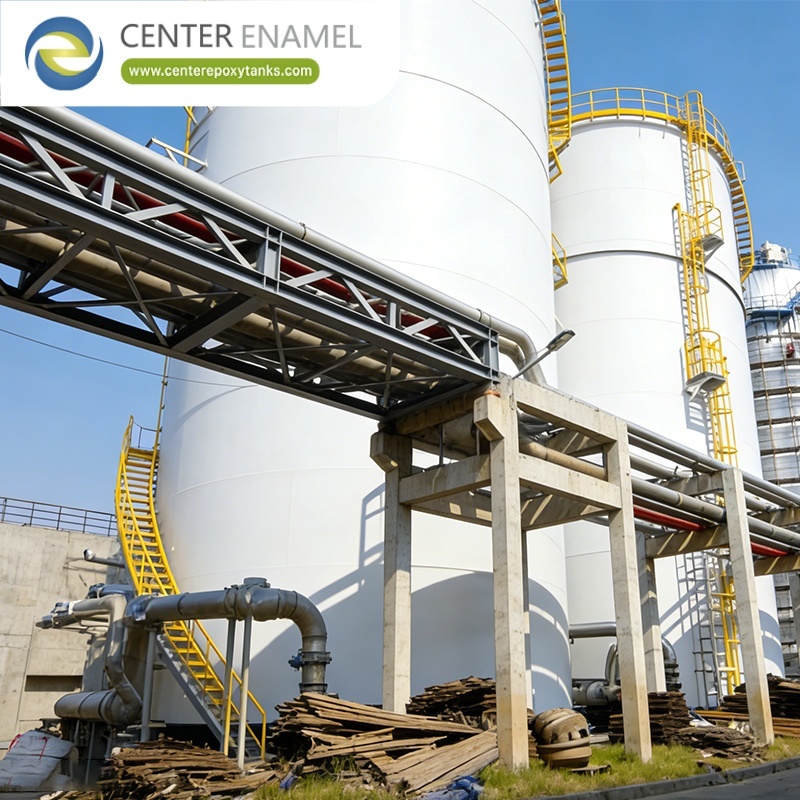
Biogas Digester Tanks: Glass-Fused-to-Steel Anaerobic Digestion
| Place of Origin: | China |
| Brand Name: | CEC TANKS |
| Certification: | ISO 9001:2008, AWWA D103 , OSHA , BSCI |
| Model Number: | W |
| Minimum Order Quantity: | 1set |
| Price: | $5000~$20000 one set |
| Packaging Details: | PE poly-foam between each two steel plates ; wooden pallet and wooden |
| Delivery Time: | 10-30 days after deposit received |
| Payment Terms: | L/C,T/T |
| Supply Ability: | 60 sets per month |
|
Detail Information |
|||
| Place of Origin | China | Brand Name | CEC TANKS |
|---|---|---|---|
| Certification | ISO 9001:2008, AWWA D103 , OSHA , BSCI | Model Number | W |
| Corrosion Resistance: | Suitable For Waste Water Salt Water, Sea Water, High Sulfur Crude Oil, Salt Fox, Organic And Inorganic Compounds | Elastic: | Same As Steel Sheet |
| Tank Body Color: | Customized Design | Coating Thickness: | No |
| Foundation: | Concrete | Steel Grade: | Steel |
| Highlight: | Glass-Fused-to-Steel Biogas Digester Tanks,Anaerobic Digestion Biogas Tanks,Fusion Bonded Epoxy Digester Tanks |
||
Product Description
Biogas Digester Tanks: Glass-Fused-to-Steel Anaerobic Digestion
Biogas digesters convert organic waste - manure, food waste, sewage sludge - into methane-rich biogas and a stabilized digestate. The reactor must be gas-tight, corrosion-resistant and held at the mesophilic window. This article covers GFS anaerobic digestion tanks and anchors to three verified Center Enamel deliveries across Europe and Asia: Sweden (5,504 m3, 2024), Canada (798 m3, 2024) and Malaysia (5,087 m3 carbon steel, 2025).
Biogas digesters need a gas-tight, inert, temperature-held reactor; bolted GFS is a leading choice for the shell while carbon steel serves specific process needs. Center Enamel delivered verified digesters in Sweden (1 tank, 5,504 m3, 2024), Canada (2 tanks, 798 m3, 2024) and Malaysia (1 carbon steel tank, 5,087 m3, 2025); diameters and heights are not disclosed and reported as Not Provided. Hold the 35-38 deg C window, capture the biogas, and inspect the gas system strictly.
The Digester As A Reactor, Not A Tank
An AD tank is a biological reactor: it holds feedstock at 35-38 deg C (or 50-55 deg C thermophilic), excludes oxygen, and captures the methane-rich gas produced. The shell must therefore be inert to acidic digestate, sealed for gas, and insulated or heated. Treating it as a plain water tank is the classic design error.
- Biological reactor, not storage.
- Mesophilic 35-38 deg C or thermophilic 50-55 deg C.
- Sealed and inert to digestate.
- Insulated or heated for the window.
GFS Vs Carbon Steel For Digesters
GFS gives an inert fired-enamel face that resists ammoniacal, acidic digestate with no field coating, and the bolted form supports a gas-tight roof. Carbon steel (as in the Malaysia reference) is used where process pressure, higher temperature or a specific fabrication route dictates; it then relies on internal lining and inspection. The choice follows the process spec.
- GFS: inert, no field coating, gas-tight roof.
- Carbon steel: process-pressure or temp driven.
- Carbon steel needs lining and inspection.
- Choice follows the process specification.
Biogas Capture And Safety
Digesters produce roughly 50-70% methane. A membrane or fixed gas holder on the roof stores it before boiler, CHP or upgrade use. Because methane is flammable, the gas path is explosion-aware with safe venting and regular inspection of seals and holders.
- Biogas ~50-70% methane.
- Membrane or fixed roof holder.
- Explosion-aware gas path.
- Regular seal and holder inspection.
Verified References
Three verified Center Enamel digester deliveries span the options: Sweden (1 GFS tank, 5,504 m3, 2024), Canada (2 GFS tanks, 798 m3, 2024) and Malaysia (1 carbon steel tank, 5,087 m3, 2025). Diameter and height are not disclosed in the public records.
Country / Year |
Volume |
Tanks |
Material |
|---|---|---|---|
Sweden / 2024 |
5,504 m3 |
1 |
GFS bolted |
Canada / 2024 |
798 m3 |
2 |
GFS bolted |
Malaysia / 2025 |
5,087 m3 |
1 |
Carbon steel |
Operating Essentials
Reliable feedstock mixing, temperature control to hold the window, and scheduled desludging keep a digester healthy. The inert GFS face reduces internal coating inspection, but the gas system and heating loop are inspected strictly because biogas is both corrosive and flammable.
- Mix feedstock to avoid dead zones.
- Hold the mesophilic window.
- Scheduled desludging.
- Strict gas-system inspection.
Digestate Management And Odor
An anaerobic digester produces two valuable outputs - biogas and a stabilized digestate - and both must be managed or the project creates a new problem while solving an old one. The digestate is nutrient-rich and, if stored openly, a source of odor and ammonia loss; routing it to a sealed GFS store or direct land application on a schedule keeps the site compliant. Odor control also depends on keeping the reactor sealed and the feed preparation enclosed. The verified Sweden (5,504 m3, 2024) and Canada (798 m3, 2024) digester references are part of systems where digestate handling is designed in, not bolted on later. Treating digestate as waste rather than product is the mistake that turns a good biogas project into a neighbor-relations liability.
- Route digestate to sealed store or scheduled use.
- Control odor at sealed reactor and feed prep.
- Treat digestate as product, not waste.
- Design digestate handling in from the start.
Biogas Project Diligence Checklist
Selecting a biogas digester rewards diligence on the items outside the tank. Confirm the feedstock mix and its consistency, because gas yield tracks feed quality more than tank size. Specify the operating window (35-38 deg C mesophilic or 50-55 deg C thermophilic) and how it is held. Choose GFS for the inert digestate face or carbon steel where process pressure and a certified vessel dictate, then line and inspect accordingly. Define gas capture, holder type and end use before the roof is detailed. With those fixed, the digester is a solved engineering problem; without them it is a gamble dressed as equipment.
- Confirm feedstock mix and consistency.
- Fix the operating temperature window.
- Match GFS or carbon steel to duty.
- Define gas capture and end use.
Frequently Asked Questions
What temperature does a biogas digester run at?
Usually the mesophilic window of 35-38 deg C, or thermophilic 50-55 deg C for faster throughput; the reactor must hold that temperature with insulation or heating.
Why is the digester gas-tight?
It produces flammable methane that must be captured for energy and kept from ignition paths and the atmosphere, so a sealed shell and roof are mandatory.
Is GFS or carbon steel better for digesters?
GFS resists the acidic digestate with no field coating and supports a gas-tight roof; carbon steel is chosen where pressure, temperature or fabrication route dictates, then lined and inspected.
What are verified biogas digester references?
Center Enamel delivered digesters in Sweden (5,504 m3 GFS, 2024), Canada (798 m3 GFS, 2024) and Malaysia (5,087 m3 carbon steel, 2025); diameters and heights are not disclosed.
What is the biogas used for?
It is stored in a roof holder and used in a boiler, CHP engine, or sent to upgrading for grid injection or vehicle fuel.
How is the digestate managed?
The stabilized outflow is a fertilizer; many systems use a second tank for digestate storage, as the two-tank Canada reference implies.
What standards apply?
AWWA D103-19 and ISO 28765 for GFS, with biogas-specific pressure and safety rules for the gas holder and piping.
Can a digester be expanded?
Bolted GFS expands by adding rings or a second tank, which is why two-tank AD arrangements are common for redundancy or staged digestion.
How often is the gas system inspected?
On a strict schedule because methane is flammable and corrosive; seals, holders and vent paths are checked more often than the tank shell itself.
Biogas digesters are gas-tight, inert, temperature-held reactors - not plain water tanks - turning organic waste into 50-70% methane biogas. Center Enamel's verified digester deliveries include Sweden (5,504 m3 GFS, 2024), Canada (798 m3 GFS, 2024) and Malaysia (5,087 m3 carbon steel, 2025); diameters and heights are not disclosed and reported as Not Provided. Hold the 35-38 deg C window, capture the gas with a roof holder, and inspect the gas system strictly. Choose GFS for the inert face or carbon steel where the process spec demands it.
Suggested CTA: Tell us your feedstock and energy target and we will propose a GFS or carbon-steel biogas digester with gas-tight roof and heating.