-
Glass Fused To Steel Tanks (646)
-
Stainless Steel Tanks (434)
-
Fusion Bonded Epoxy Tanks (592)
-
Galvanized Steel Tanks (321)
-
Aluminum Dome Roofs (1336)
-
Wastewater Storage Tanks (237)
-
Welded Steel Tanks (457)
-
Pressure Vessels (295)
-
Anaerobic Digester (202)
-
Industrial Water Tanks (349)
-
Glass Lined Steel Tanks (180)
-
Bolted Steel Tanks (389)
-
Sludge Storage Tank (115)
-
Biogas Storage Tank (173)
-
Leachate Storage Tanks (133)
-
Agricultural Water Storage Tanks (179)
-
Fire Water Tank (166)
-
Grain Storage Silos (146)
-
Biogas Projects (424)
-
Wastewater Treatment Projects (1339)
-
Double Membrane Roof (223)

|
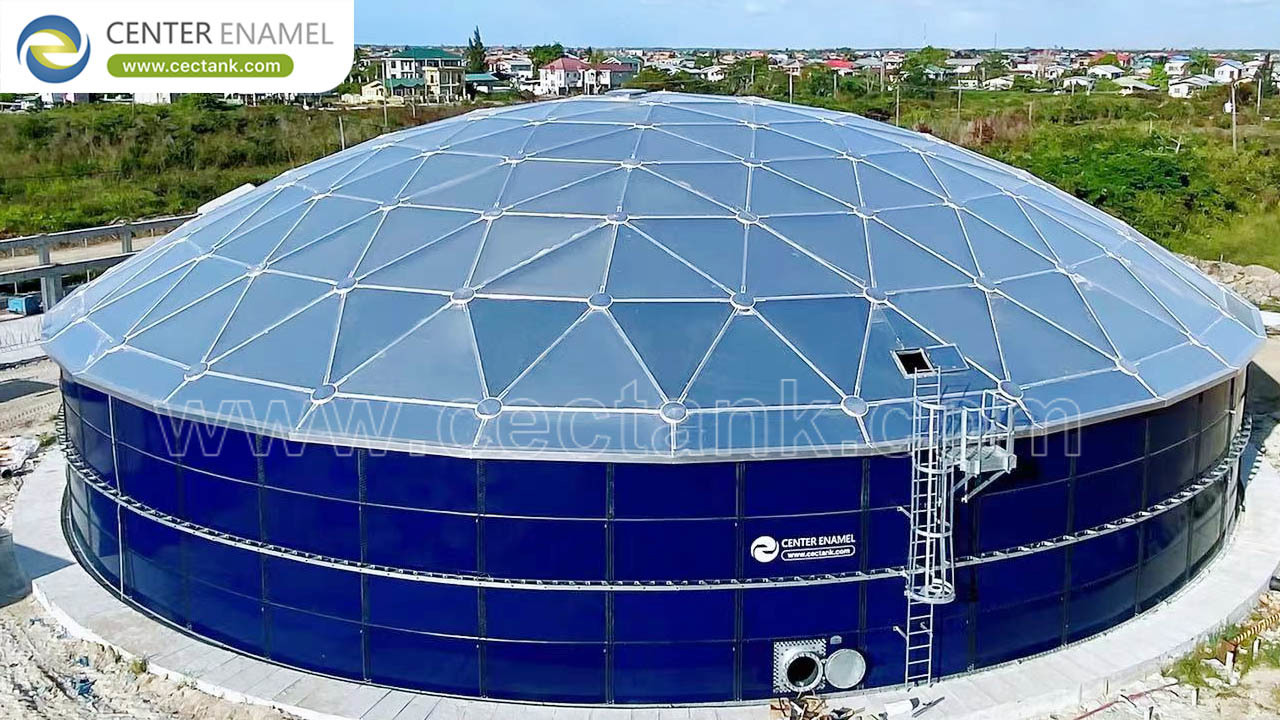
Sludge Storage Tank for Wastewater Project GFS and FBE Bolted Solutions
| Place of Origin: | China |
| Brand Name: | CEC TANKS |
| Certification: | ISO 9001:2008, AWWA D103 , OSHA , BSCI |
| Model Number: | W |
| Minimum Order Quantity: | 1set |
| Price: | $5000~$20000 one set |
| Packaging Details: | PE poly-foam between each two steel plates ; wooden pallet and wooden |
| Delivery Time: | 10-30 days after deposit received |
| Payment Terms: | L/C,T/T |
| Supply Ability: | 60 sets per month |
|
Detail Information |
|||
| Place of Origin | China | Brand Name | CEC TANKS |
|---|---|---|---|
| Certification | ISO 9001:2008, AWWA D103 , OSHA , BSCI | Model Number | W |
| Tank Body Color: | Dark Green / Can Be Customized | Corrosion Integrity: | Excellent |
| Steel Plates Thickness: | 3mm To 12mm , Depends On The Tank Structure | Chemical Resistance: | Excellent |
| Size Of Panel: | 2.4M * 1.2M | Easy To Clean: | Smooth, Glossy, Inert, Anti-adhesion |
| Highlight: | GFS bolted sludge storage tank,FBE coated wastewater storage tank,wastewater project sludge storage solutions |
||
Product Description
Sludge Storage Tank for Wastewater Project GFS and FBE Bolted Solutions
Every wastewater project — municipal WWTP expansion, industrial effluent plant, or turnkey EPC delivery — must store the sludge it generates before dewatering, digestion, or disposal. The sludge storage tank sits at the intersection of reliability and schedule: it handles the plant's most aggressive stream, yet it is often on the project's critical path. Choosing the wrong tank material here means coating repairs inside an operating plant within a few years; choosing a site-built concrete or welded tank means months added to the schedule. Wastewater projects need a sludge tank that is engineered, certified, and fast.
Center Enamel supplies sludge storage tanks for wastewater projects in Glass-Fused-to-Steel (GFS) and fusion bonded epoxy (FBE) bolted construction — factory-cured, 100% holiday spark tested, and engineered to AWWA D103-09, ISO 28765, and NSF/ANSI 61. The first GFS tank manufacturer in China, with nearly 200 enameling patents and deliveries to more than 100 countries, Center Enamel puts certified sludge storage on wastewater project schedules without compromise.
1. How to Select the Right Sludge Tank Material for a Wastewater Project
Sludge composition decides the material: GFS and FBE both serve wastewater duty, and the choice follows solids, sulfides, pH, and operating temperature.
· GFS for tough chemistry: Glass-Fused-to-Steel fired at 820-930 degrees Celsius is inert to hydrogen sulfide, volatile fatty acids, and variable pH — the reference for raw sludge, digested sludge, and leachate service.
· FBE for specific duties: fusion bonded epoxy panels, cured in the factory, provide a tough flexible barrier for chemical and wastewater streams where an epoxy chemistry is preferred or specified.
· Both certified: GFS and FBE tanks are manufactured to ISO 28765 practice and engineered to AWWA D103-09; both carry 100% high-voltage holiday spark-test records per panel.
· Size the project, not the catalog: capacities from small industrial holding tanks to municipal-scale vessels above 10,000 m³, with diameter-to-height ratios engineered to site and process.
2. Why Bolted Sludge Tanks Protect Wastewater Project Schedules
Schedule risk is the hidden cost of sludge storage. Bolted construction removes the three critical-path killers: formwork, curing, and field coating.
· No formwork or curing: cast-in-place concrete sludge tanks take months and must cure before testing; bolted panels assemble in weeks and can be hydrotested immediately.
· No field coating: the corrosion barrier is factory-cured and spark tested before shipment — jobsite weather and crew skill no longer decide sludge tank longevity.
· Parallel civil works: bolted tanks erect in parallel with other plant scope, keeping the wastewater project's commissioning date intact.
· Phased commissioning: single or multiple sludge tanks can be commissioned progressively — one train on line while the next erects — matching plant ramp-up.
3. Integrating Sludge Storage into the Wastewater Process
A sludge tank must connect to pumps, mixers, gas handling, and odor control as one engineered unit — and single-source supply makes those interfaces predictable.
· Process interfaces: suction, discharge, recirculation, and overflow connections are positioned and sized with the plant's hydraulic design.
· Mixing and level control: mixer flanges, instrument mounts, and radar level connections integrate without field modification of the coated shell.
· Cover and odor control: GFS or aluminum geodesic dome roofs contain odor and vent to treatment; engineered sealing keeps the envelope gas-tight.
· Single-source responsibility: tank, cover, accessories, and erection supervision from one manufacturer reduce interface risk for the EPC and the operator.
|
Evaluation Criterion |
Center Enamel GFS / FBE Sludge Tank |
Cast-in-Place Concrete |
Field-Welded Carbon Steel |
|
Corrosion defense |
Superior — inert GFS / factory-cured FBE, 100% spark tested |
Poor — cracking, sulfide attack, leaching |
Moderate — field coating holidays |
|
Project schedule impact |
Fast — bolted erection in weeks, no curing |
Very slow — months on critical path |
Slow — welding, blasting, lining |
|
Process integration |
Engineered mixer/nozzle/cover interfaces |
Site adaptations, drilling, coating damage |
Field-fit fabrication |
|
Lifecycle and maintenance |
Minimal — 30-50 year design life |
High — relining and repair programs |
High — recoat every 5-10 years |
|
Documentation for acceptance |
FEA, spark-test records, ISO 9001 |
Site QA only |
Field inspection only |
Engineering Assurance
Every wastewater sludge tank is engineered to AWWA D103-09 and ISO 28765 with FEA calculations, coated and 100% spark tested under ISO 9001, and delivered with erection supervision and commissioning documentation in more than 100 countries.
In wastewater projects, the sludge tank is usually the most corrosive vessel and the least forgiving of schedule slips. Factory-cured bolted panels fix both — chemistry and calendar.
Frequently Asked Questions (FAQ)
What is a sludge storage tank in a wastewater project?
It is the vessel that holds raw, thickened, or digested sludge between process stages — buffering flow, feeding dewatering or digestion, or storing biosolids. Center Enamel supplies bolted GFS and FBE sludge tanks engineered to the plant's chemistry and schedule.
GFS or FBE — which is better for sludge?
Both are certified options. GFS (glass fired at 820-930°C) offers maximum immunity to hydrogen sulfide, acids, and abrasion; FBE offers a tough factory-cured epoxy barrier. Center Enamel's engineers confirm the choice against your sludge analysis and operating temperature.
How fast can a sludge tank be delivered for a wastewater project?
Bolted tanks are manufactured to project schedules and erect in weeks — no formwork, curing, or field coating. Delivery and erection are coordinated with the plant's critical path, with supervision available.
Can sludge tanks be integrated with mixers and odor control?
Yes — mixer flanges, instrument mounts, suction and discharge arrangements, and gas-tight GFS or aluminum dome covers are engineered as one package, so tank, process, and odor control connect predictably.
·