
-
Glass Fused To Steel Tanks (646)
-
Stainless Steel Tanks (434)
-
Fusion Bonded Epoxy Tanks (592)
-
Galvanized Steel Tanks (321)
-
Aluminum Dome Roofs (1336)
-
Wastewater Storage Tanks (237)
-
Welded Steel Tanks (457)
-
Pressure Vessels (295)
-
Anaerobic Digester (202)
-
Industrial Water Tanks (349)
-
Glass Lined Steel Tanks (180)
-
Bolted Steel Tanks (389)
-
Sludge Storage Tank (115)
-
Biogas Storage Tank (173)
-
Leachate Storage Tanks (133)
-
Agricultural Water Storage Tanks (179)
-
Fire Water Tank (166)
-
Grain Storage Silos (146)
-
Biogas Projects (424)
-
Wastewater Treatment Projects (1339)
-
Double Membrane Roof (223)

|
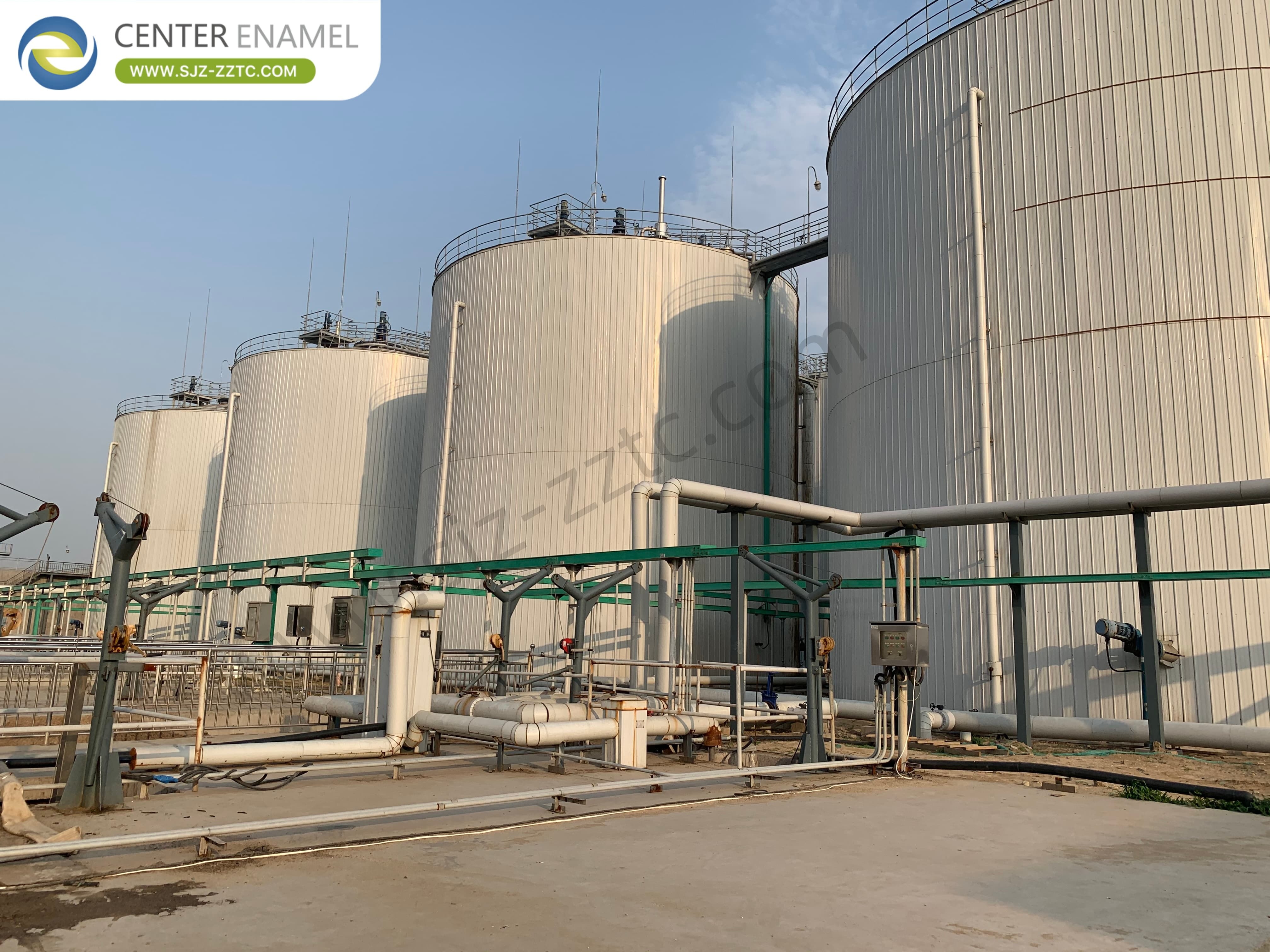
Brunei’s Kitchen Waste to Biogas with GFS Tanks and CSTR Process
| Place of Origin: | China |
| Brand Name: | CEC TANKS |
| Certification: | ISO 9001:2008, AWWA D103 , OSHA , BSCI |
| Model Number: | W |
| Minimum Order Quantity: | 1set |
| Price: | $5000~$20000 one set |
| Packaging Details: | PE poly-foam between each two steel plates ; wooden pallet and wooden |
| Delivery Time: | 10-30 days after deposit received |
| Payment Terms: | L/C,T/T |
| Supply Ability: | 60 sets per month |
|
Detail Information |
|||
| Place of Origin | China | Brand Name | CEC TANKS |
|---|---|---|---|
| Certification | ISO 9001:2008, AWWA D103 , OSHA , BSCI | Model Number | W |
| Tank Body Color: | Dark Green / Can Be Customized | Corrosion Integrity: | Excellent |
| Steel Plates Thickness: | 3mm To 12mm , Depends On The Tank Structure | Chemical Resistance: | Excellent |
| Size Of Panel: | 2.4M * 1.2M | Easy To Clean: | Smooth, Glossy, Inert, Anti-adhesion |
| Highlight: | kitchen waste biogas GFS tanks,biogas production CSTR process,wastewater treatment biogas project |
||
Product Description
Brunei is actively seeking sustainable solutions to manage its growing organic waste streams. This article outlines how a dedicated Kitchen Waste Biogas Project, utilizing advanced anaerobic solutions and durable Glass-Fused-to-Steel (GFS) tanks, presents an ideal pathway for Brunei to convert its food waste into a valuable energy resource, reduce environmental impact, and diversify its renewable energy portfolio.
In Brunei, kitchen waste is a primary component of municipal solid waste, with a wide range of sources concentrated in urban areas. This organic waste is broadly categorized into household and commercial sources. Household kitchen waste includes daily leftovers, fruit and vegetable peels, and eggshells. However, the main source is commercial waste, generated from restaurants, hotels, resort catering centers, company cafeterias, school canteens, and food processing factories. This waste is rich in biodegradable organic components, making it an ideal feedstock for efficient biogas production through professional anaerobic solutions.
Brunei generates approximately 1,800 to 2,200 tons of municipal solid waste daily, of which kitchen waste accounts for over 65%. This volume is on a steady upward trend due to population growth and a prosperous tourism industry. The country's tropical climate, characterized by high temperatures and humidity, causes this organic waste to decay rapidly, leading to odor problems and public health risks. Traditional treatment methods like landfilling are becoming unsustainable due to limited land space, driving the need for advanced technology that can convert this waste into a resource.
The transformation of Brunei’s kitchen waste into biogas is powered by mature anaerobic digestion technology, which decomposes organic matter in a closed oxygen-free environment. This biological process unfolds in four core stages: hydrolysis, acidification, acetogenesis, and methanation. The end product is biogas, typically composed of 55%–70% methane along with carbon dioxide. This renewable fuel can be used for power generation, heating, and cooking, representing a high-value resource recovery solution that aligns with Brunei's low-carbon development goals.
The Continuous Stirred Tank Reactor (CSTR) is a highly adaptable and efficient anaerobic treatment technology, making it an excellent choice for processing the high-solid kitchen waste found in Brunei. As a core part of the anaerobic digestion system, the CSTR maintains the fermentation raw materials and microorganisms in a completely mixed state through mechanical stirring. This ensures a uniform temperature and pH level within the tank, preventing acidification and maximizing the degradation of organic matter. The stability and efficiency of the CSTR process are key to achieving a high and consistent biogas yield from kitchen waste.
For a successful Biogas Power Plant in Brunei, the choice of storage and digestion infrastructure is critical. Glass-Fused-to-Steel (GFS) tanks are the premium coating technology in the storage tank market, offering outstanding corrosion resistance and durability for demanding biogas applications. When used as anaerobic digesters, these tanks are best paired with a double membrane roof. This gas-tight roof system is specifically designed for biogas applications, providing low gas permeability, excellent UV stability, and a flexible inner membrane that adjusts to the volume of stored gas. This combination ensures safe and efficient biogas containment, making it a perfect solution for Brunei's tropical climate.
Center Enamel provides a variety of storage solutions tailored to project needs. They offer Galvanized Steel Tanks, Fusion Bonded Epoxy Tanks (in partnership with AkzoNobel), and Stainless Steel Tanks for diverse conditions. In addition to double membrane roofs, their roof solutions include Aluminum Geodesic Dome Roofs for corrosion resistance, Glass-Fused-to-Steel Roofs for air-tight pressurized structures, and Aluminum Alloy Trough Deck Roofs for economical non-airtight storage needs.
A fully integrated biogas project relies on a suite of supporting equipment. This includes pre-treatment machinery like a Dual-shaft Crusher and Multi-function Crushing and Sorting Machine to prepare the feedstock. The system uses Submersible Mixers for homogenization, a Mixed Crushing Pulping Tank for slurry preparation, and a Solid-liquid Separator to manage digestate. The biogas itself is purified in a Dehydration and Desulfurization Tank before use.
Center Enamel offers a comprehensive end-to-end service as a professional EPC contractor for kitchen waste biogas projects. Their expertise spans from feasibility studies to the operational optimization of the plant. They provide complete, stable, and customized solutions, leveraging their vertically integrated manufacturing capabilities for key components. Their turnkey approach helps municipalities and enterprises achieve environmental compliance and generate sustainable revenue. The implementation of a Kitchen Waste Biogas Project in Brunei would deliver comprehensive environmental, economic, and social benefits, including waste reduction, methane emission control, and the creation of a stable clean renewable energy source.
Brunei stands at a pivotal point in its sustainable development journey. By investing in a Kitchen Waste Biogas Project, the nation can address its mounting waste challenges, significantly reduce its environmental footprint, and create a source of renewable energy. Utilizing proven technologies like the CSTR process and the durable infrastructure of GFS tanks with double membrane roofs offers a scientifically sound and economically viable path towards a cleaner, more circular economy for Brunei.


