-
Glass Fused To Steel Tanks (646)
-
Stainless Steel Tanks (434)
-
Fusion Bonded Epoxy Tanks (592)
-
Galvanized Steel Tanks (321)
-
Aluminum Dome Roofs (1336)
-
Wastewater Storage Tanks (237)
-
Welded Steel Tanks (457)
-
Pressure Vessels (295)
-
Anaerobic Digester (202)
-
Industrial Water Tanks (349)
-
Glass Lined Steel Tanks (180)
-
Bolted Steel Tanks (389)
-
Sludge Storage Tank (115)
-
Biogas Storage Tank (173)
-
Leachate Storage Tanks (133)
-
Agricultural Water Storage Tanks (179)
-
Fire Water Tank (166)
-
Grain Storage Silos (146)
-
Biogas Projects (424)
-
Wastewater Treatment Projects (1339)
-
Double Membrane Roof (223)

|
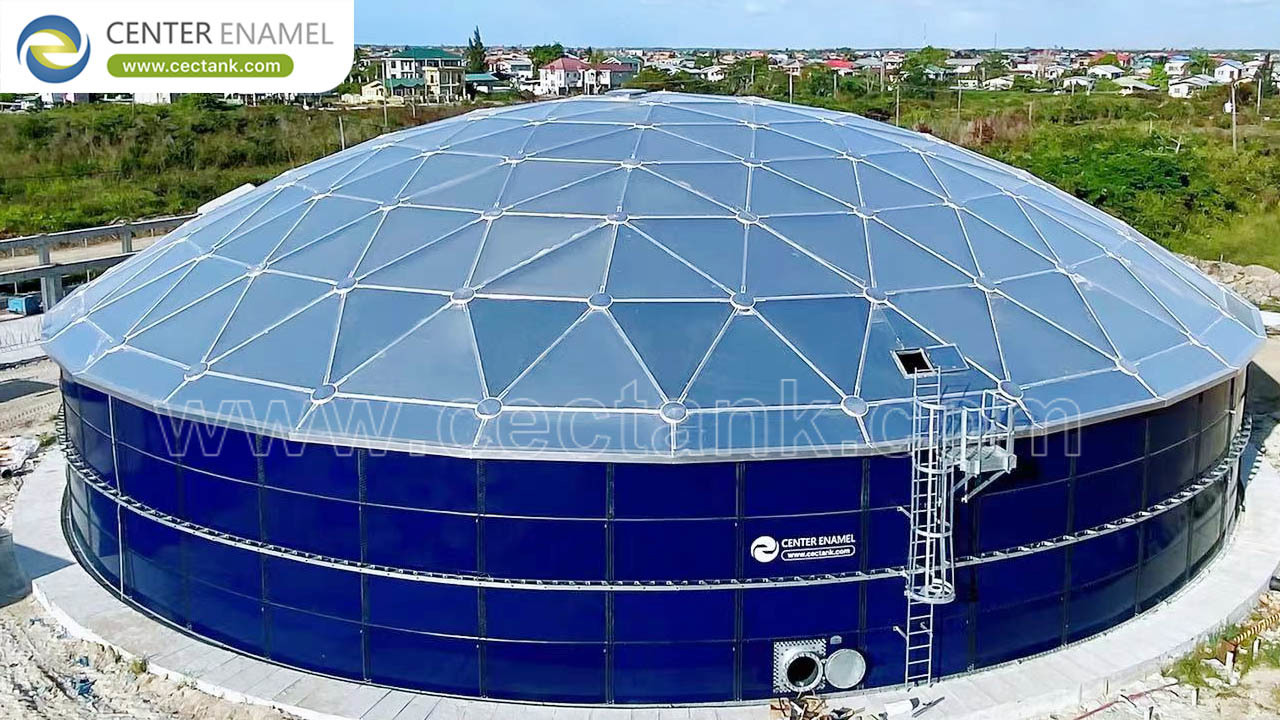
Good Quality Aluminum Deck Roof Storage Tank Roof Solutions
| Place of Origin: | China |
| Brand Name: | CEC TANKS |
| Certification: | ISO 9001:2008, AWWA D103 , OSHA , BSCI |
| Model Number: | W |
| Minimum Order Quantity: | 1set |
| Price: | $5000~$20000 one set |
| Packaging Details: | PE poly-foam between each two steel plates ; wooden pallet and wooden |
| Delivery Time: | 10-30 days after deposit received |
| Payment Terms: | L/C,T/T |
| Supply Ability: | 60 sets per month |
|
Detail Information |
|||
| Place of Origin | China | Brand Name | CEC TANKS |
|---|---|---|---|
| Certification | ISO 9001:2008, AWWA D103 , OSHA , BSCI | Model Number | W |
| Tank Body Color: | Dark Green / Can Be Customized | Corrosion Integrity: | Excellent |
| Steel Plates Thickness: | 3mm To 12mm , Depends On The Tank Structure | Chemical Resistance: | Excellent |
| Size Of Panel: | 2.4M * 1.2M | Easy To Clean: | Smooth, Glossy, Inert, Anti-adhesion |
| Highlight: | aluminum deck roof storage tank,wastewater treatment roof solutions,aluminum roof tank with warranty |
||
Product Description
Good Quality Aluminum Deck Roof Storage Tank Roof Solutions
A storage tank is only as good as its roof. Across municipal water reservoirs, wastewater basins, industrial liquid tanks, and sludge vessels, the roof is the first line of defense against rain, sunlight, birds, and — in the gas phase — corrosive atmospheres. Traditional covers underperform: concrete roofs crack, leak, and collect standing water; painted steel roofs corrode and demand recoating; flexible membranes tear and sag. A roof that fails contaminates the stored product and forces the operator into costly shutdown repairs inside an operating facility.
The aluminum deck roof from Shijiazhuang Zhengzhong Technology Co., Ltd (Center Enamel) is engineered for exactly this duty: corrosion-free aluminum construction, factory-manufactured components, and bolted assembly that protects stored liquids for decades. As the leading bolted tank and cover system provider in Asia, Center Enamel supplies aluminum deck roofs that pair with GFS, FBE, stainless, and galvanized tank bodies worldwide — with deliveries to more than 100 countries since 2008.
1. What Makes an Aluminum Deck Roof a Quality Investment?
Roof quality is measured in corrosion resistance, seal integrity, and maintenance cost — and aluminum wins on all three against steel and concrete alternatives.
· Inherent corrosion resistance: aluminum forms a self-healing oxide layer that resists atmospheric corrosion and the sulfide-rich atmospheres above wastewater and sludge tanks — no painting, no recoating cycles.
· Lightweight, low dead load: aluminum's low weight minimizes tank shell and foundation loading, allowing retrofits onto existing tanks and reducing structural requirements.
· Factory-manufactured components: roof panels and support members are fabricated under ISO 9001 control with precision interfaces — quality repeatable on every project, not dependent on field welding.
· Sealed and engineered: engineered seam gaskets, drainage, and venting keep rainwater out and process vapor handled, protecting both the stored liquid and the tank interior.
2. Applications of Aluminum Deck Roofs Across Storage Duties
One roof platform serves many duties — what changes is the sealing and venting package engineered for the stored liquid.
· Drinking water reservoirs: corrosion-free aluminum keeps potable water free of rust contamination, complementing NSF/ANSI 61 certified GFS tank bodies.
· Wastewater and sludge tanks: the aluminum surface survives hydrogen sulfide atmospheres that corrode painted steel covers within years.
· Industrial liquid storage: process water, chemicals, and effluent tanks get a maintenance-free cover that protects product quality and worker safety.
· Fire water and reserves: long standby duty demands a cover that needs no painting or inspection cycles — aluminum delivers it.
3. Installation, Retrofit, and Lifecycle Economics
Aluminum deck roofs are engineered for both new tanks and existing vessels — and their lifecycle cost is where the investment pays back.
· Bolted installation: roof components bolt together on site with small crews; no hot work, no paint, no curing — many tank roofs are completed in days.
· Retrofit capability: lightweight aluminum covers can be engineered for existing steel or concrete tanks, upgrading an asset without replacing the shell.
· Zero-maintenance lifecycle: with no recoating cycles, the aluminum deck roof's total cost of ownership falls below painted steel within its first decade of service.
· Design options: flat or low-slope decks, walkway-integrated designs, and access hatches configured per plant requirements.
|
Evaluation Criterion |
Aluminum Deck Roof (Center Enamel) |
Painted Steel Roof |
Concrete Roof |
|
Corrosion resistance |
Superior — self-healing oxide, no coating |
Moderate — repaint every 5-10 years |
Poor — cracks, spalling, leakage |
|
Weight on tank structure |
Low — lightweight aluminum |
High — heavy steel sections |
Very high — massive dead load |
|
Sealing and watertightness |
Engineered seam gaskets, drainage, venting |
Dependent on field coating integrity |
Cracking under thermal movement |
|
Installation and retrofit |
Bolted, days, retrofit-capable |
Welding and painting on site |
Months, permanent structure |
|
Lifecycle maintenance |
Minimal — decades without maintenance |
High — recurring recoating |
High — crack repair and waterproofing |
Engineering Assurance
Every aluminum deck roof ships with structural calculations for wind, snow, and live loads, engineered sealing details, and ISO 9001 manufacturing certification — a complete engineering file for plant acceptance and insurer review.
A tank roof that rusts over the water is not a roof, it is a liability in progress. Aluminum changes the math: it is the last roof a tank will need.
Frequently Asked Questions (FAQ)
What is an aluminum deck roof?
An aluminum deck roof is a corrosion-free, lightweight cover for storage tanks, assembled from factory-manufactured aluminum panels and support members. It seals the tank from rain and contamination and is engineered for zero-maintenance service over decades.
Why choose aluminum over painted steel or concrete?
Aluminum resists corrosion with a self-healing oxide layer — no recoating cycles — weighs far less than steel or concrete, bolts together in days, and can even be retrofitted onto existing tanks. Painted steel needs repainting every 5-10 years; concrete cracks and leaks.
Can aluminum deck roofs be retrofitted to existing tanks?
Yes. Their light weight allows engineering for existing steel or concrete tank shells, upgrading watertightness and corrosion protection without replacing the tank body.
Can deck roofs be customized?
Yes — flat or low-slope configurations, walkway-integrated designs, hatches, vents, and drainage packages are engineered per tank duty and site wind/snow conditions.
·