-
Glass Fused To Steel Tanks (596)
-
Stainless Steel Tanks (434)
-
Fusion Bonded Epoxy Tanks (592)
-
Galvanized Steel Tanks (321)
-
Aluminum Dome Roofs (1316)
-
Wastewater Storage Tanks (231)
-
Welded Steel Tanks (457)
-
Pressure Vessels (295)
-
Anaerobic Digester (201)
-
Industrial Water Tanks (349)
-
Glass Lined Steel Tanks (180)
-
Bolted Steel Tanks (390)
-
Sludge Storage Tank (115)
-
Biogas Storage Tank (173)
-
Leachate Storage Tanks (133)
-
Agricultural Water Storage Tanks (179)
-
Fire Water Tank (166)
-
Grain Storage Silos (146)
-
Biogas Projects (425)
-
Wastewater Treatment Projects (788)
-
Double Membrane Roof (223)

|
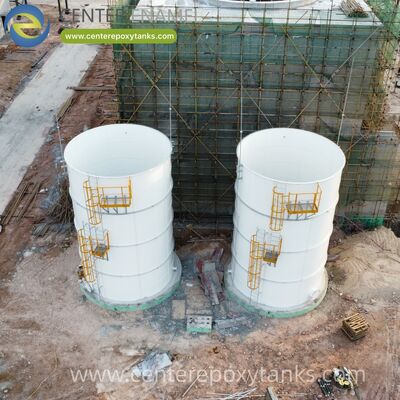
Bolted Water Storage Tanks as Industrial Water Tanks: Supplies essential water reserves for cooling and manufacturing operations.
| Place of Origin: | China |
| Brand Name: | CEC TANKS |
| Certification: | ISO 9001:2008, AWWA D103 , OSHA , BSCI |
| Model Number: | W |
| Minimum Order Quantity: | 1set |
| Price: | $5000~$20000 one set |
| Packaging Details: | PE poly-foam between each two steel plates ; wooden pallet and wooden |
| Delivery Time: | 10-30 days after deposit received |
| Payment Terms: | L/C, T/T |
| Supply Ability: | 60 sets per month |
|
Detail Information |
|||
Product Description
Bolted Water Storage Tanks as Industrial Water Tanks: Supplies essential water reserves for cooling and manufacturing operations.
In the industrial sector—ranging from power generation and steel mills to food processing and automotive manufacturing—water is as vital as electricity. Industrial water tanks serve as the lifeblood of these facilities, providing the necessary reserves for cooling systems, boiler feed, product rinsing, and fire suppression. Unlike standard municipal storage, industrial water is often part of a closed-loop or high-pressure system, meaning the storage vessel must handle constant flow, fluctuating temperatures, and the potential presence of process chemicals or minerals that can be highly corrosive to unprotected steel.
Traditional storage options, such as concrete basins or field-welded tanks, often present significant drawbacks for industrial operators. Concrete is susceptible to cracking under thermal stress, while welded tanks require extensive downtime for on-site coating and maintenance. To ensure operational continuity, many industries have standardized on Epoxy Coated Tanks, specifically Epoxy Bonded Steel Bolted Tanks. These vessels offer a high-strength, modular, and chemically resistant environment that can be deployed rapidly to meet the rigorous demands of modern manufacturing.
The Operational Demands of Industrial Process Water
An industrial water tank must be engineered to bridge the gap between heavy-duty structural requirements and precise chemical resistance:
Corrosion Resistance for Process Chemicals: Industrial water is often treated with biocides, corrosion inhibitors, or pH adjusters. A factory-applied epoxy barrier is essential to prevent these additives from initiating internal oxidation or "pitting" of the steel panels.
Thermal Stability and Resilience: Many industrial processes involve water at elevated temperatures. Epoxy Bonded Steel Bolted Tanks utilize high-grade coatings that maintain their integrity across a wide thermal range, preventing the lining from softening or delaminating.
Structural Support for High-Flow Piping: Industrial tanks often feature large-diameter nozzles and internal baffles to manage high-velocity intake and discharge. The high-tensile steel used in the bolted system provides the structural rigidity required for these dynamic loads.
Minimal Maintenance Downtime: In manufacturing, downtime is a significant financial burden. The durable, glass-like finish of the epoxy coating is easy to clean and requires no periodic repainting, ensuring the tank remains in service for decades.
By providing a molecularly bonded barrier, Epoxy Coated Tanks ensure that industrial water reserves remain a secure and low-maintenance asset for the facility.
Engineering Excellence: The Fusion Bonded Epoxy Barrier
The reliability of an industrial bolted tank is rooted in the Fusion Bonded Epoxy (FBE) manufacturing process. Conducted entirely within a controlled factory environment, this process ensures a level of quality and uniformity that is impossible to achieve with field-applied coatings.
The process begins with the precision preparation of high-strength steel panels. Each panel is grit-blasted to achieve a near-white finish, creating an ideal mechanical anchor profile. A high-grade, thermosetting epoxy powder is then electrostatically applied. The panels are cured in specialized ovens at extreme temperatures, causing the epoxy to melt, flow, and undergo a chemical cross-linking reaction with the steel substrate.
This results in a dense, uniform, and incredibly tough barrier that is molecularly fused to the steel. Because the panels are coated before assembly, every edge and pre-punched bolt hole is fully encapsulated. On-site, these panels are joined using specialized high-strength fasteners and industrial-grade sealants, creating a liquid-tight structure that is immune to the environmental and chemical stresses of industrial service.
Maximizing Reliability with Aluminum Dome Roofs
In industrial settings, protecting the water supply from external pollutants and maintaining process stability is a priority. This is why the integration of Aluminum Dome Roofs has become a standard for high-performance industrial water systems:
Prevention of External Contamination: Aluminum Dome Roofs provide a secure, light-tight cover that prevents dust, debris, and airborne particulates from entering the water. This is vital for protecting sensitive downstream equipment like cooling towers and heat exchangers.
Maintenance-Free Performance in Harsh Zones: Industrial sites can have corrosive atmospheres due to proximity to other processes. While a steel roof would require constant repainting to prevent rust, aluminum is naturally resistant to industrial vapors and moisture, providing a maintenance-free cover.
Lightweight Clear-Span Design: The geodesic design provides immense structural strength without the need for internal support columns. This clear-span architecture maximizes the usable volume and allows for the easy installation of internal heaters, mixers, or level sensors.
Weather Protection and Thermal Control: The dome protects the water from acid rain and solar heating, helping to maintain the consistent water temperature required for optimized industrial cooling.
Rapid Deployment and Modular Scalability
For an industrial facility, the ability to rapidly establish storage is vital to meet production timelines. One of the primary benefits of the bolted tank system is its speed of installation. Because the components are prefabricated, the on-site assembly is fast and efficient, requiring no on-site welding or extensive scaffolding. This is particularly advantageous in active industrial zones where hot-work permits for welding can be difficult to obtain.
Furthermore, the modular nature of the Epoxy Bonded Steel Bolted Tank allow for future growth. If a plant increases its production capacity, these tanks can often be heightened by adding more rings of panels. This modularity ensures that the initial infrastructure investment remains a long-term asset that can evolve with the facility's needs, providing an economical and flexible solution.
Project Cases: Proven Performance in Industrial Water Management
The following non-fictitious projects highlight the successful implementation of our Epoxy Coated Tanks in demanding industrial and large-scale utility environments:
Ethiopia Textile Industrial Park Wastewater Treatment Project: This project involved managing chemically complex and aggressive industrial effluents. The facility utilized 3 units of tanks to provide a robust and durable environment for liquid management.
Saudi Municipal Sewage and Industrial Waste Project: Operating in extreme temperatures, this project required tanks that could resist both internal process chemistry and external environmental stress. The facility utilized 5 units of tanks, ensuring a secure and corrosion-free solution.
Sichuan Chengdu Wastewater Treatment Plant Project: To support the massive utility needs of a major metropolitan area, this project deployed a high-capacity system featuring 16 units of tanks. This case demonstrates the structural stability and modular efficiency required for large-volume industrial-scale service.
Conclusion: A Heavy-Duty Standard for Industrial Operations
The effective management of industrial water requires infrastructure engineered for durability, thermal resilience, and long-term chemical resistance. The Epoxy Bonded Steel Bolted Tank represents the most advanced solution for the modern manufacturing and energy sectors.
By providing a factory-fused barrier that resists internal and external corrosion, and by incorporating the advanced protection of Aluminum Dome Roofs, these tanks ensure that industrial assets are managed with absolute security. They offer a high-strength, low-maintenance, and scalable solution that supports the continued success of global industrial operations.