-
Glass Fused To Steel Tanks (596)
-
Stainless Steel Tanks (434)
-
Fusion Bonded Epoxy Tanks (592)
-
Galvanized Steel Tanks (321)
-
Aluminum Dome Roofs (1336)
-
Wastewater Storage Tanks (232)
-
Welded Steel Tanks (457)
-
Pressure Vessels (295)
-
Anaerobic Digester (202)
-
Industrial Water Tanks (349)
-
Glass Lined Steel Tanks (180)
-
Bolted Steel Tanks (389)
-
Sludge Storage Tank (115)
-
Biogas Storage Tank (173)
-
Leachate Storage Tanks (133)
-
Agricultural Water Storage Tanks (179)
-
Fire Water Tank (166)
-
Grain Storage Silos (146)
-
Biogas Projects (424)
-
Wastewater Treatment Projects (1228)
-
Double Membrane Roof (223)

|
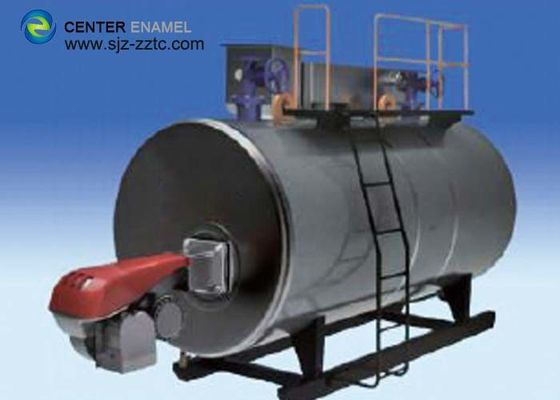
Biogas Boilers for Biogas Projects: Efficient Energy Solutions Biogas Boilers for Biogas Projects: Efficient Energy Solutions for Sustainable Powerfor Sustainable Power
| Place of Origin: | China |
| Brand Name: | CEC TANKS |
| Certification: | ISO 9001:2008, AWWA D103 , OSHA , BSCI |
| Model Number: | W20171016013 |
| Minimum Order Quantity: | 1set |
| Price: | $5000~$20000 one set |
| Packaging Details: | PE poly-foam between each two steel plates ; wooden pallet and wooden box |
| Delivery Time: | 10-30 days after deposit received |
| Supply Ability: | 60 sets per month |
|
Detail Information |
|||
Product Description
As the global push toward carbon neutrality and decentralized green energy intensifies, anaerobic digestion (AD) projects have emerged as powerful engines for circular economy growth. Converting organic wastes—including agricultural slurry, food processing waste, municipal sewage sludge, and industrial effluent—into high-purity methane biogas transforms disposal liabilities into clean energy assets. However, capturing raw biogas is only half the equation; maximizing the overall energetic efficiency of a biogas project requires sophisticated thermal management, anchored by high-performance biogas boilers.
A biogas boiler serves as the thermal heart of a sustainable renewable energy plant. By combusting purified or raw biogas to generate high-temperature hot water or steam, these specialized boilers supply the precise thermal energy required to maintain optimal mesophilic (35°C to 38°C) or thermophilic (50°C to 55°C) temperatures within anaerobic digesters. Engineered as part of comprehensive renewable energy infrastructure by industry leaders like Shijiazhuang Zhengzhong Technology Co., Ltd. (Center Enamel), advanced biogas boilers drive maximum plant efficiency, reduce parasitic energy losses, and ensure carbon-neutral operations.
Operating an industrial biogas facility involves complex thermodynamic balances where energy generation and energy consumption must be meticulously synchronized:
- Maintaining Digester Biological Stability: Methanogenic microorganisms are highly sensitive to thermal fluctuations. Even minor temperature drops inside the fermenter can drastically inhibit microbial metabolism, plummeting methane yield. Biogas boilers provide reliable, continuous heating loops to stabilize core reactor temperatures.
- Offsetting Parasitic Thermal Loads: In colder climates or during winter campaigns, a significant portion of the biogas produced on-site must be redirected to heat incoming organic feedstocks and maintain structural warmth within storage tanks and fermenters. High-efficiency boilers minimize this parasitic drain.
- Combined Heat and Power (CHP) Integration: Beyond digester heating, biogas boilers work in tandem with CHP cogeneration units to capture exhaust heat and convert it into usable district heating, industrial steam, or drying energy, maximizing total system efficiency.
Advanced biogas heating systems are engineered to overcome the unique chemical and operational challenges associated with biogas combustion:
- Corrosion-Resistant Combustion Chambers: Biogas often contains trace amounts of hydrogen sulfide (H2S) and moisture. Modern biogas boilers utilize specialized stainless steel alloys, acid-resistant coatings, and optimized dew-point management to prevent acid condensation and corrosion within the heat exchangers.
- High Thermal Efficiency and Modulation: Equipped with advanced modulating burners, these boilers automatically adjust fuel intake based on fluctuating thermal demand, achieving thermal efficiencies exceeding 90% and minimizing fuel wastage.
- Automated Safety and Emission Controls: Integrated PLC control systems monitor combustion parameters, air-fuel ratios, and exhaust emissions in real-time, ensuring strict compliance with global environmental standards while guaranteeing absolute operational safety.
| Evaluation Metric | Advanced Biogas Boiler | Conventional Natural Gas Boiler | Solid Biomass Boiler |
|---|---|---|---|
| Carbon Footprint & Sustainability | Carbon Neutral (Utilizes renewable methane generated on-site from organic waste) | Fossil Fuel Dependent (Emits fossil carbon dioxide during combustion) | Carbon Neutral, but requires intensive solid fuel handling and storage |
| Fuel Source Integration | Direct (Consumes on-site generated biogas directly from storage vessels or GFS digesters) | Requires external pipeline connection and ongoing utility purchase costs | Requires solid wood chips, pellets, or agricultural residues |
| Thermal Efficiency | High (Exceeds 90% efficiency with automated modulating combustion controls) | High (Typically 85% to 92% efficiency) | Moderate to High (Subject to fuel moisture and ash content variations) |
| Maintenance & Corrosion Defense | Optimized (Designed specifically to resist trace H2S condensates and acidic flue gases) | Standard (Vulnerable if exposed to sulfur-bearing biogas without retrofitting) | High (Requires frequent ash removal, soot blowing, and mechanical maintenance) |
Engineering Assurance: Comprehensive biogas projects engineered by Center Enamel integrate high-efficiency biogas boilers with robust storage infrastructure—such as Glass-Fused-to-Steel (GFS) anaerobic fermenters and double-membrane gas holders—complying strictly with global standards including ISO 9001, ISO 28765, and international boiler safety codes.
A: A biogas boiler utilizes on-site generated biogas to produce hot water or steam. Its primary function is to supply the thermal energy required to heat anaerobic digesters, maintain stable biological temperatures for methanogenic bacteria, and provide auxiliary heating for industrial processes or facility buildings.
A: Biogas boilers designed for renewable energy projects feature specialized corrosion-resistant metallurgy, high-grade stainless steel heat exchangers, and precise flue gas temperature control to prevent the condensation of acidic compounds formed by trace hydrogen sulfide during combustion.
A: Yes. Many industrial biogas boilers are equipped with dual-fuel or multi-fuel burners capable of seamlessly switching between biogas, natural gas, or liquefied petroleum gas (LPG) to ensure uninterrupted thermal supply during startup phases or low-gas production periods.
A: By utilizing a portion of the produced biogas to power high-efficiency heating systems rather than relying on external fossil fuels, the plant lowers its operational expenditures, reduces greenhouse gas emissions, and maximizes the net renewable energy output exported to the grid or local consumers.