-
Glass Fused To Steel Tanks (596)
-
Stainless Steel Tanks (434)
-
Fusion Bonded Epoxy Tanks (592)
-
Galvanized Steel Tanks (321)
-
Aluminum Dome Roofs (1336)
-
Wastewater Storage Tanks (232)
-
Welded Steel Tanks (457)
-
Pressure Vessels (295)
-
Anaerobic Digester (202)
-
Industrial Water Tanks (349)
-
Glass Lined Steel Tanks (180)
-
Bolted Steel Tanks (389)
-
Sludge Storage Tank (115)
-
Biogas Storage Tank (173)
-
Leachate Storage Tanks (133)
-
Agricultural Water Storage Tanks (179)
-
Fire Water Tank (166)
-
Grain Storage Silos (146)
-
Biogas Projects (424)
-
Wastewater Treatment Projects (1078)
-
Double Membrane Roof (223)
|
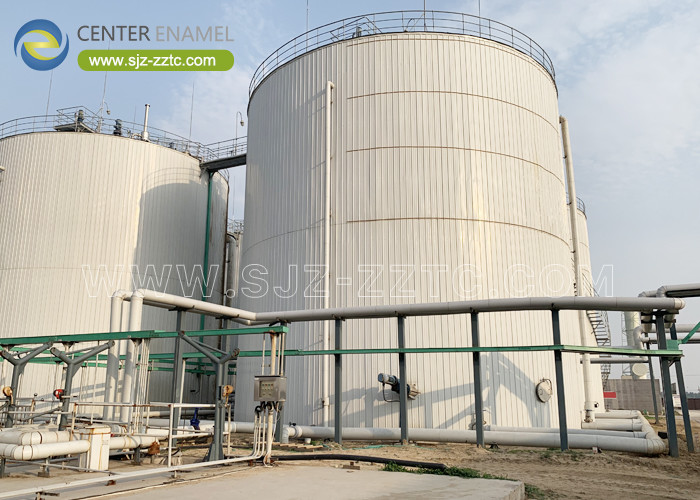
UASB Technology for Dairy Wastewater Treatment Plants: Efficient COD Reduction and Biogas Recovery
| Place of Origin: | China |
| Brand Name: | CEC TANKS |
| Certification: | ISO 9001:2008, AWWA D103 , OSHA , BSCI |
| Model Number: | W20160127023 |
| Minimum Order Quantity: | 1set |
| Price: | $5000~$20000 one set |
| Packaging Details: | PE poly-foam between each two steel plates ; wooden pallet and wooden box |
| Delivery Time: | 0-60 days after deposit received |
| Payment Terms: | L/C,T/T |
| Supply Ability: | 60 sets per month |
|
Detail Information |
|||
Product Description
An Upflow Anaerobic Sludge Blanket (UASB) technology system is an advanced, high-rate anaerobic biological wastewater treatment process engineered specifically to break down high-strength organic effluent generated by milk processing, cheese production, and dairy manufacturing plants. Dairy wastewater is notoriously challenging due to its exceptionally high Chemical Oxygen Demand (COD), Biological Oxygen Demand (BOD), and suspended solids. By passing wastewater upward through a dense, suspended blanket of anaerobic microbes inside an engineered reactor—often constructed using durable Glass-Fused-to-Steel (GFS) panels—UASB technology achieves rapid organic pollutant reduction while simultaneously capturing methane-rich biogas for renewable energy generation.
Dairy processing plants consume vast quantities of water for cleaning, pasteurization, and equipment sanitization, resulting in effluent streams laden with lactose, proteins, fats, and cleaning agents.
Facility managers face three major wastewater management hurdles:
-
Massive Organic Loading (COD/BOD): Dairy wastewater typically exhibits high COD concentrations ranging from 2,000 to over 10,000 mg/L, making conventional treatment methods prohibitively expensive and inefficient.
-
High Energy Costs for Aeration: Traditional aerobic treatment systems require continuous, energy-intensive mechanical aeration to break down organics, driving up operational overhead.
-
Fats, Oils, and Sludge Accumulation: Uncontrolled organic loads lead to excessive sludge production and foaming issues, complicating biological stability and compliance with strict environmental discharge limits.
In a UASB reactor, wastewater enters from the bottom and flows upward through a dense biological sludge blanket. Anaerobic bacteria digest complex organic molecules without requiring oxygen, achieving COD removal efficiencies of 80% to 90% even under heavy industrial loading rates.
The anaerobic digestion process converts organic carbon into biogas, primarily composed of methane (CH4) and carbon dioxide (CO2). When integrated with gas-tight GFS containment structures and double-membrane roofs, dairy plants can capture this biogas to power internal boilers or combined heat and power (CHP) systems, transforming waste into energy.
Unlike sprawling aerobic lagoons, UASB reactors feature a compact vertical design that requires minimal land area. Furthermore, anaerobic digestion yields significantly less excess biological sludge, drastically reducing sludge handling and disposal costs.
| Performance Metric | UASB Anaerobic Reactor (Center Enamel) | Conventional Activated Sludge (Aerobic) | Sequencing Batch Reactor (SBR) |
|---|---|---|---|
| Energy Consumption | Very Low (No oxygen aeration required) | High (Continuous energy-heavy blowers) | High (Intensive mechanical aeration cycles) |
| Biogas Generation | High (Valuable methane recovery for energy) | None (No usable gas byproduct) | None |
| Sludge Production | Low (Dense, stabilized granular sludge) | High (Large volumes of excess biological sludge) | Moderate to High |
| Organic Loading Capacity | High (Excels with high-strength dairy effluent) | Moderate (Prone to overloading with strong wastewater) | Moderate |
| Spatial Footprint | Compact (Vertical modular tank design) | Large (Extensive aeration basins and clarifiers) | Moderate to Large |
The corrosive operating environment inside an anaerobic reactor—combined with trace hydrogen sulfide and organic acids—demands exceptional structural durability. Center Enamel supplies high-performance Glass-Fused-to-Steel (GFS) and bolted steel tanks specifically engineered for UASB reactor shells. The fused glass-enamel surface provides an inert, non-porous barrier that withstands aggressive chemical environments, ensuring a multi-decade operational lifespan without interior corrosion.
A: Dairy wastewater has an extremely high organic load (COD/BOD). UASB technology excels at treating high-strength industrial effluent anaerobically, achieving high COD removal rates while consuming minimal energy and generating recoverable biogas.
A: Yes. Unlike aerobic systems that require constant, high-energy aeration, UASB systems operate anaerobically. Additionally, they produce methane-rich biogas that can be captured and utilized to offset plant energy and heating costs.
A: Center Enamel utilizes advanced Glass-Fused-to-Steel (GFS) and modular bolted steel panels. The glass-enamel coating provides permanent resistance to anaerobic corrosion, organic acids, and hydrogen sulfide gas attack.
A: UASB reactors form a dense, highly active granular sludge blanket that self-immobilizes microorganisms. This results in significantly lower excess sludge production compared to conventional aerobic activated sludge processes.
At Center Enamel, we combine advanced manufacturing capabilities with deep environmental engineering expertise to deliver robust, high-performance anaerobic digestion and wastewater containment solutions worldwide.
Are you planning a dairy wastewater treatment upgrade or biogas recovery project? Contact our engineering team today for a technical consultation, capacity sizing, and a customized proposal.