-
Glass Fused To Steel Tanks (596)
-
Stainless Steel Tanks (434)
-
Fusion Bonded Epoxy Tanks (592)
-
Galvanized Steel Tanks (321)
-
Aluminum Dome Roofs (1336)
-
Wastewater Storage Tanks (232)
-
Welded Steel Tanks (457)
-
Pressure Vessels (295)
-
Anaerobic Digester (201)
-
Industrial Water Tanks (349)
-
Glass Lined Steel Tanks (180)
-
Bolted Steel Tanks (389)
-
Sludge Storage Tank (115)
-
Biogas Storage Tank (173)
-
Leachate Storage Tanks (133)
-
Agricultural Water Storage Tanks (179)
-
Fire Water Tank (166)
-
Grain Storage Silos (146)
-
Biogas Projects (425)
-
Wastewater Treatment Projects (978)
-
Double Membrane Roof (223)

|
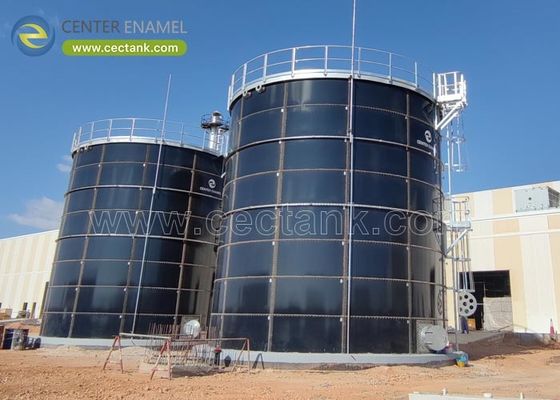
Water Storage Solutions: The 30-Year Performance Advantage of Glass-Fused-to-Steel (GFS) Tanks
| Place of Origin: | China |
| Brand Name: | CEC TANKS |
| Certification: | ISO 9001:2008, AWWA D103 , OSHA , BSCI |
| Model Number: | W20160705009 |
| Minimum Order Quantity: | 1set |
| Price: | $5000~$20000 one set |
| Packaging Details: | PE poly-foam between each two steel plates ; wooden pallet and wooden box |
| Delivery Time: | 0-60 days after deposit received |
| Payment Terms: | L/C,T/T |
| Supply Ability: | 60 sets per month |
|
Detail Information |
|||
Product Description
In the realm of municipal and industrial water infrastructure, the "Total Cost of Ownership" (TCO) is a more critical metric than initial construction cost. Engineers and facility managers are increasingly moving away from traditional, high-maintenance materials like poured concrete and welded carbon steel, favoring a technology that offers a proven 30-year service life: Glass-Fused-to-Steel (GFS).
As water scarcity and infrastructure resilience become top-of-mind priorities for 2026, investing in a storage solution that withstands the test of time is no longer a luxury—it is an operational necessity.
The longevity of a GFS tank is not accidental; it is the result of advanced materials science. During the manufacturing process, silicate glass frit is fused to high-strength steel plates at temperatures ranging from 820°C to 930°C.
This fusion creates a molecular, inorganic bond that is harder than steel and more inert than plastic. Unlike paint or epoxy, which sits on top of the metal and eventually degrades, the glass-enamel coating becomes an integrated part of the panel surface.
Immunity to Corrosion: Water—especially treated, chlorinated, or mineral-rich water—can aggressively attack steel. The inert glass barrier is impervious to rust and oxidation, eliminating the root cause of tank failure.
Non-Porous, Hygienic Surface: The glass surface is exceptionally smooth (microscopically pore-free). This prevents the accumulation of biofilms, algae, and mineral deposits, ensuring that your water quality remains compliant with health standards without requiring frequent, intensive cleaning.
Mechanical Resilience: The fusion process creates a composite material that resists scratches, impacts, and the abrasive wear often found in high-flow water applications.
When selecting infrastructure that must serve for decades, the trade-offs between materials become clear.
| Feature | Glass-Fused-to-Steel | Poured Concrete | Welded Carbon Steel |
| Service Life | 30+ Years | 20–30 Years | 15–25 Years |
| Maintenance | Minimal | High (Crack Repair) | High (Periodic Recoating) |
| Construction Speed | Fast (Modular) | Slow (Curing Time) | Moderate |
| Hygienic Profile | High (Non-Porous) | Low (Porous) | Moderate |
| Lifecycle Cost | Lowest | Moderate | High |
Reduced Operational Expenditure (OpEx): Because the glass-fused surface does not require periodic sandblasting or repainting, your facility avoids the major maintenance shutdowns that plague welded steel or concrete tanks.
Modular Scalability: Water demand often grows with population or industrial activity. GFS tanks are bolted structures; if your storage needs increase, you can often add additional rings or panels to your existing tank, protecting your initial capital investment.
Site Efficiency: These tanks are "flat-packed" and shipped to the site. Construction involves assembly using precision bolting, which requires significantly less space and specialized equipment than casting a concrete reservoir. This makes GFS the preferred choice for remote or constrained urban sites.
A: Yes. When properly installed and maintained according to standard operational guidelines, GFS tanks are documented to reach service lives of 30, 40, or even 50 years. The limiting factor is usually the mechanical components (seals and gaskets) rather than the tank panels themselves.
A: Because the glass-enamel surface is chemically inert (typically pH 3–11), these tanks are effectively immune to the corrosive effects of mineralized, acidic, or heavily treated water that would destroy concrete or uncoated steel.
A: Maintenance is minimal. It typically involves routine visual inspections of the bolts and seals (every few years) and periodic checking of the roof and manway components. You do not need to perform major chemical treatment of the tank walls.
A: Absolutely. GFS tanks are widely used for potable water storage globally, as the non-porous glass surface prevents bacterial growth and meets strict food-grade and water-safety certifications.
With over 30 years of engineering expertise, Center Enamel delivers GFS storage solutions that meet the highest international standards (including AWWA D103-09 and ISO 28765). We don't just supply tanks; we provide the foundation, assembly, and long-term support your infrastructure requires.
Ready to build for the next 30 years? Contact our engineering team today for a technical consultation on your water storage requirements.