-
Glass Fused To Steel Tanks (674)
-
Stainless Steel Tanks (434)
-
Fusion Bonded Epoxy Tanks (592)
-
Galvanized Steel Tanks (321)
-
Aluminum Dome Roofs (1336)
-
Wastewater Storage Tanks (237)
-
Welded Steel Tanks (457)
-
Pressure Vessels (295)
-
Anaerobic Digester (202)
-
Industrial Water Tanks (349)
-
Glass Lined Steel Tanks (180)
-
Bolted Steel Tanks (389)
-
Sludge Storage Tank (115)
-
Biogas Storage Tank (173)
-
Leachate Storage Tanks (133)
-
Agricultural Water Storage Tanks (179)
-
Fire Water Tank (166)
-
Grain Storage Silos (146)
-
Biogas Projects (424)
-
Wastewater Treatment Projects (1379)
-
Double Membrane Roof (223)

|
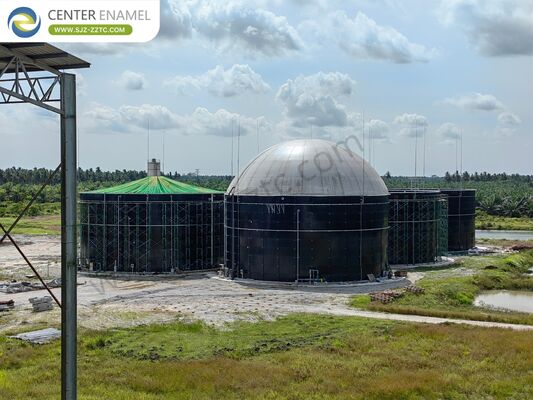
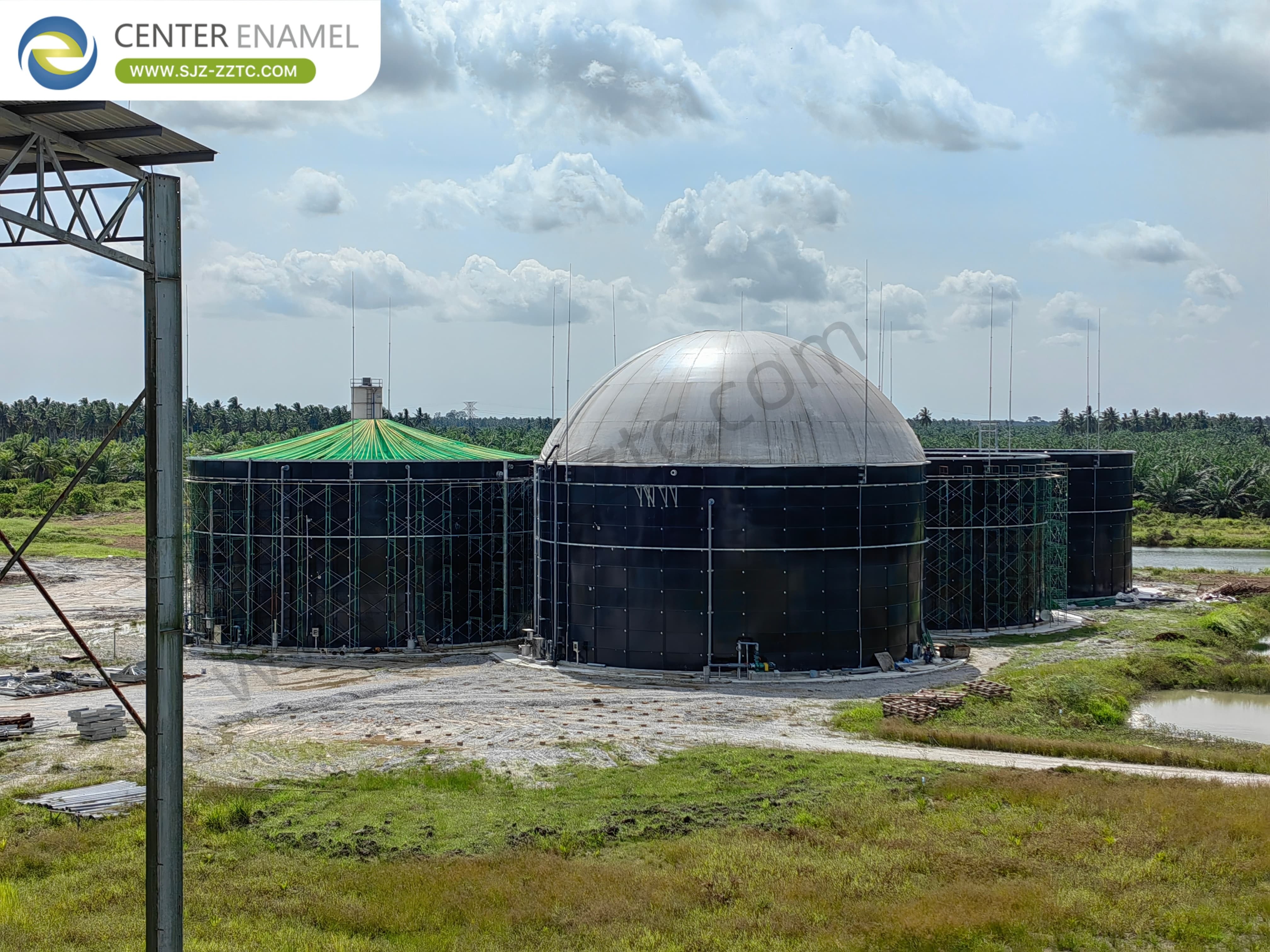
Converting Slaughterhouse Wastewater into Biogas in Vietnam: Turnkey Contractor with GFS Tanks
| Place of Origin: | China |
| Brand Name: | CEC TANKS |
| Certification: | ISO 9001:2008, AWWA D103 , OSHA , BSCI |
| Model Number: | W |
| Minimum Order Quantity: | 1set |
| Price: | $5000~$20000 one set |
| Packaging Details: | PE poly-foam between each two steel plates ; wooden pallet and wooden |
| Delivery Time: | 10-30 days after deposit received |
| Payment Terms: | L/C,T/T |
| Supply Ability: | 60 sets per month |
|
Detail Information |
|||
| Place of Origin | China | Brand Name | CEC TANKS |
|---|---|---|---|
| Certification | ISO 9001:2008, AWWA D103 , OSHA , BSCI | Model Number | W |
| Tank Body Color: | Dark Green / Can Be Customized | Corrosion Integrity: | Excellent |
| Steel Plates Thickness: | 3mm To 12mm , Depends On The Tank Structure | Chemical Resistance: | Excellent |
| Size Of Panel: | 2.4M * 1.2M | Easy To Clean: | Smooth, Glossy, Inert, Anti-adhesion |
| Highlight: | slaughterhouse wastewater biogas conversion,turnkey wastewater treatment contractor,GFS tanks biogas Vietnam |
||
Product Description
This article discusses the critical need for effective slaughterhouse wastewater treatment in Vietnam and how it is being addressed through biogas technology. It details the process of converting this waste into renewable energy, emphasizing the importance of durable GFS Tanks and the services of a turnkey Biogas Project Contractor for successful project implementation in the Vietnamese context.
Vietnam's growing meat processing industry faces a major environmental challenge: the management of high-strength slaughterhouse wastewater. Untreated discharge pollutes local waterways and creates public health hazards. To combat this, advanced anaerobic digestion systems are being deployed. These systems, built with premium GFS Tanks and overseen by an experienced Biogas Project Contractor, transform a significant pollution source into a sustainable energy opportunity.
Slaughterhouse wastewater is generated from cleaning carcasses, floors, and equipment. In a tropical country like Vietnam, the warm climate can accelerate the decomposition of its organic components, making rapid treatment essential. The effluent typically contains high loads of suspended solids (SS), blood, and fats, leading to elevated COD and BOD levels. For instance, studies in Hanoi have reported wastewater with COD levels around 910 mg/L and SS of 273 mg/L, highlighting the need for robust treatment infrastructure. This potent mixture is an environmental hazard that, if not properly managed, will contaminate water sources and create foul odors.
The solution lies in anaerobic digestion, a natural process where bacteria break down organic matter in the absence of oxygen. This process effectively treats the wastewater by reducing its organic load and produces biogas as a valuable byproduct. The biogas, primarily consisting of methane, can be captured and used as a renewable fuel to generate heat and power, helping Vietnamese slaughterhouses reduce their reliance on the national grid and lower operational costs. This approach aligns with Vietnam's push towards a circular economy, where waste is seen as a resource.
The Continuous Stirred-Tank Reactor (CSTR) is the core technology for treating this challenging waste stream. Inside the reactor, an automated mechanical stirrer operates continuously, ensuring the incoming wastewater and the active microorganisms are perfectly mixed. This constant agitation is critical for processing wastewater with high suspended solids, as it prevents heavy particles from settling and breaking down the floating FOG layers. By maintaining a uniform environment and a stable temperature, the CSTR maximizes the contact between the bacteria and the organic matter, leading to faster, more efficient digestion and higher biogas yields.
For any biogas project in Vietnam, the longevity and reliability of storage and digestion tanks are non-negotiable. GFS Tanks offer an unparalleled solution. The technology fuses a glass coating to steel panels at extreme temperatures, creating a bond that is both strong and chemically inert. This provides exceptional resistance to corrosion from the acidic environment inside the digester, ensuring a long, maintenance-free life.
The Double Membrane Roof is the standard gas-holder for these systems. Its design incorporates cost benefits and optimizes space, making it ideal for Vietnamese facilities where land can be a constraint. By integrating the gas storage directly on top of the tank, the need for a separate, ground-mounted gas holder is eliminated, reducing the project's overall footprint and associated costs.
A leading Biogas Project Contractor provides diverse solutions to meet site-specific requirements. Alternative tank options include:
- Galvanized Steel Tanks: Offering a tough, protective zinc coating.
- Fusion Bonded Epoxy (FBE) Tanks: Utilizing an advanced coating for enhanced chemical resistance.
- Stainless Steel Tanks: Designed for high-purity or extremely harsh environments.
Similarly, various cover solutions are available, such as the Aluminum Geodesic Dome Roof for large spans with no internal supports, and the Aluminum Alloy Trough Deck Roof for economical, non-airtight storage.
A complete, operational biogas plant for a Vietnamese slaughterhouse includes several key components:
- Solid-liquid Separator: Processes the digestate into solid and liquid fertilizers.
- Torch System: A safety device to combust excess biogas, preventing pressure buildup.
- Gas Holder: Ensures a stable gas supply to the end-user equipment.
- Dehydration and Desulfurization Tank: Protects downstream equipment by removing moisture and corrosive hydrogen sulfide.
- Screw Sludge Dewatering Machine: Reduces the volume of residual sludge, lowering disposal costs.
Center Enamel provides comprehensive turnkey solutions for biogas projects in Vietnam. Their services are built on decades of experience and a vast production capability, making them a premier Biogas Project Contractor.
Their key strengths for the Vietnamese market include:
- Enormous Production Capacity: An annual output of 250,000 GFS sheets ensures projects proceed without material delays.
- Project Scale and Expertise: With a 150,000㎡ production base and 500+ staff, they have the resources and know-how for projects of all sizes.
- Full EPC Services: They serve as a single point of responsibility, providing complete EPC services from design and procurement to construction and commissioning.
- Client-Centric Design: Their engineering team provides professional design solutions, calculating specific organic loading rates and hydraulic retention times tailored to the client's needs and local conditions.
In Vietnam, treating slaughterhouse wastewater through biogas technology is an environmental and economic imperative. This process converts a hazardous waste into a clean energy source, offering a sustainable path forward for the meat industry. The success of these projects hinges on employing high-quality infrastructure like GFS Tanks and partnering with a comprehensive Biogas Project Contractor like Center Enamel to deliver robust, efficient, and long-lasting solutions.
- How does the climate in Vietnam affect the biogas process?
The warm, ambient temperatures in Vietnam can be beneficial, as they fall within the ideal range (mesophilic) for the anaerobic bacteria, potentially increasing their activity and biogas production rate. - What is the end product of slaughterhouse wastewater treatment besides biogas?
The other main product is a nutrient-rich liquid called digestate, which contains nitrogen, phosphorus, and potassium, making it an excellent organic fertilizer for agricultural use. - Is the biogas produced directly usable?
No, the raw biogas is typically wet and contains corrosive hydrogen sulfide (H₂S). It must be passed through a dehydration and desulfurization tank to remove these impurities before it can be safely used in engines or boilers.