-
Glass Fused To Steel Tanks (596)
-
Stainless Steel Tanks (434)
-
Fusion Bonded Epoxy Tanks (592)
-
Galvanized Steel Tanks (321)
-
Aluminum Dome Roofs (1316)
-
Wastewater Storage Tanks (231)
-
Welded Steel Tanks (457)
-
Pressure Vessels (295)
-
Anaerobic Digester (201)
-
Industrial Water Tanks (349)
-
Glass Lined Steel Tanks (180)
-
Bolted Steel Tanks (390)
-
Sludge Storage Tank (115)
-
Biogas Storage Tank (173)
-
Leachate Storage Tanks (133)
-
Agricultural Water Storage Tanks (179)
-
Fire Water Tank (166)
-
Grain Storage Silos (146)
-
Biogas Projects (425)
-
Wastewater Treatment Projects (788)
-
Double Membrane Roof (223)


|
Bolted Steel Water Tanks as Potable Storage Tanks: Certified for food-grade safety to maintain clean drinking water standards.
| Place of Origin: | China |
| Brand Name: | CEC TANKS |
| Certification: | ISO 9001:2008, AWWA D103 , OSHA , BSCI |
| Model Number: | W |
| Minimum Order Quantity: | 1set |
| Price: | $5000~$20000 one set |
| Packaging Details: | PE poly-foam between each two steel plates ; wooden pallet and wooden |
| Delivery Time: | 10-30 days after deposit received |
| Payment Terms: | L/C, T/T |
| Supply Ability: | 60 sets per month |
|
Detail Information |
|||
| Place of Origin | China | Brand Name | CEC TANKS |
|---|---|---|---|
| Certification | ISO 9001:2008, AWWA D103 , OSHA , BSCI | Model Number | W |
| Corrosion Resistance: | Suitable For Waste Water Salt Water, Sea Water, High Sulfur Crude Oil, Salt Fox, Organic And Inorganic Compounds | Tank Body Color: | Dark Green / Can Be Customized |
| Steel Grade: | ART 310 | Roof Available: | Glass Fused Steel Roof , Membrane Roof, Aluminum Roof , GRP Roof |
| Corrosion Integrity: | Excellent | Foundation: | Concrete Or Glass Fused Steel |
| Highlight: | bolted steel potable water tanks,food-grade certified water storage tanks,steel drinking water storage tanks |
||
Product Description
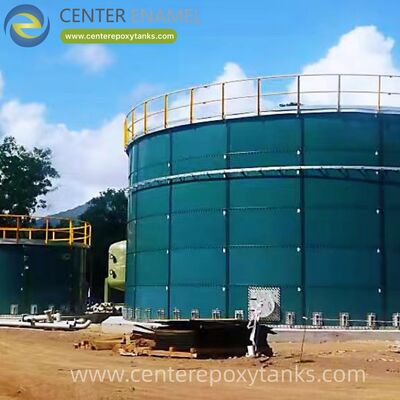
Bolted Steel Water Tanks as Potable Storage Tanks: Certified for food-grade safety to maintain clean drinking water standards.
In the critical infrastructure of city planning and industrial safety, the potable storage tank is the final guardian of human health. These tanks serve as the primary reservoirs for water intended for human consumption, meaning they must adhere to the most rigorous sanitary standards in the engineering world. Unlike tanks used for irrigation or industrial cooling, a potable storage tank must be completely inert. The interior environment must prevent the leaching of metallic ions, inhibit the growth of water-borne pathogens, and resist the oxidizing effects of residual disinfectants like chlorine. For a municipality or a large-scale residential development, the integrity of this tank is the difference between a thriving community and a public health crisis.
While concrete and field-welded steel have been used historically, they present significant maintenance hurdles. Concrete is porous and prone to microscopic cracking where bacteria can hide, while field-welded tanks often suffer from inconsistent coating thickness at the seams. To ensure an uncompromising standard of purity, the industry has standardized on Epoxy Coated Tanks, specifically Epoxy Bonded Steel Bolted Tanks. These vessels offer the structural strength of high-tensile steel combined with a factory-applied, medical-grade barrier that ensures drinking water remains as pure as the day it was treated.
Engineering for Human Consumption and Biological Security
A potable storage tank must be a sterile environment that prioritizes the stability of the water chemistry and the safety of the end-user:
Non-Leaching, Food-Grade Barrier: Drinking water must remain free of chemical contaminants. The Fusion Bonded Epoxy barrier used in our tanks is certified to international food-safety standards, ensuring that no iron, manganese, or coating residues migrate into the water supply.
Inhibition of Biofilms and Pathogens: To prevent the growth of Legionella or E. coli, the tank interior must be ultra-smooth. The glass-like, non-porous finish of the Epoxy Bonded Steel Bolted Tank prevents organic matter from adhering to the walls, ensuring the tank remains corrosion-free and biologically clean.
Resistance to Disinfection Oxidants: Potable water is often treated with chlorine or chloramines. These chemicals can be aggressive toward standard paint. Our factory-cured epoxy is specifically engineered to resist these oxidants, preventing the lining from blistering or delaminating over time.
Structural Safety for Continuous Supply: A city's water supply cannot fail. The high-tensile strength of the steel panels provides the structural safety factors necessary to resist seismic events and high-volume hydrostatic pressure, ensuring a reliable supply for decades.
By providing a molecularly bonded barrier, Epoxy Coated Tanks ensure that municipal water assets are protected by a structure that prioritizes public health and structural longevity.
Technical Excellence: The Fusion Bonded Epoxy Barrier
The reliability of a potable water reservoir is rooted in the Fusion Bonded Epoxy (FBE) manufacturing process. Conducted entirely in a controlled factory setting, this process ensures a level of hygiene and coating uniformity that field-applied solutions cannot achieve.
The process begins with the precision preparation of the steel panels. Each panel is grit-blasted to achieve a near-white finish, creating an ideal mechanical anchor profile. A specialized, high-grade thermosetting epoxy powder—certified for potable water contact—is then electrostatically applied. The panels are cured in industrial ovens at extreme temperatures, causing the epoxy to melt, flow, and undergo a chemical cross-linking reaction, molecularly fusing it to the steel substrate.
This results in a dense, uniform, and incredibly tough barrier. Because the panels are coated before assembly, every edge and pre-punched bolt hole is fully encapsulated. On-site, these panels are joined using specialized high-strength fasteners and NSF-certified food-grade sealants, creating a structure that is immune to the biological and chemical stresses of potable water service.
Enhancing Water Purity with Aluminum Dome Roofs
In potable water management, the roof is the primary defense against external contamination and light-driven biological growth. This is why the integration of Aluminum Dome Roofs has become a strategic standard:
Total Light Exclusion to Prevent Algae: Sunlight penetration can trigger algae blooms that affect water taste and increase the demand for chemical disinfectants. Aluminum Dome Roofs provide a total light barrier, keeping the water clear and biologically stable.
Maintenance-Free Hygiene: Potable water tanks are high-value assets. While a steel roof would require constant repainting to prevent rust flakes from falling into the drinking water, aluminum is naturally resistant to corrosion, providing a maintenance-free cover for the life of the tank.
Prevention of Bird and Pest Contamination: The dome provides a secure, bird-proof seal that prevents avian waste—a primary source of pathogens—from entering the supply.
Lightweight Clear-Span Architecture: The geodesic design provides immense structural strength without internal support columns. This eliminates internal roosting spots for pests and simplifies the periodic sterilization of the tank interior.
Rapid Deployment and Modular Scalability
For a growing city or an emergency water project, the speed of installation is a major advantage. Because the components are prefabricated, the on-site assembly of an Epoxy Bonded Steel Bolted Tank is fast and efficient, requiring no on-site welding. This allows municipalities to bring new storage capacity online quickly with minimal disruption to the local community.
Furthermore, the modular nature of the system allows for future flexibility. If a community's population increases, these tanks can often be heightened by adding more rings of panels. This modularity ensures that the initial infrastructure investment remains a long-term, economical asset that can evolve with the region's water needs.
Project Cases: Proven Performance in Water Infrastructure
The following non-fictitious projects highlight the successful implementation of our Epoxy Coated Tanks in demanding municipal and industrial utility environments:
Hebei Municipal Water and Sewage Infrastructure Project: This project utilized a high-integrity bolted tank to support regional water management and distribution. The installation included 1 unit of tank, providing a reliable and low-maintenance solution for essential services.
Saudi Municipal Sewage and Industrial Waste Project: Operating in extreme temperatures, this project required tanks that could resist external environmental stress. The facility utilized 5 units of tanks, ensuring a secure and corrosion-free solution.
Sichuan Chengdu Wastewater Treatment Plant Project: This high-capacity project utilized 16 units of tanks to manage massive volumes of processed liquids. It serves as a testament to the structural stability and modular efficiency required for modern urban infrastructure.
Conclusion: A Sterile Standard for Community Health
The effective management of potable water requires infrastructure engineered for hygiene, durability, and structural longevity. The Epoxy Bonded Steel Bolted Tank represents the most advanced solution for the modern municipal and residential sectors.
By providing a factory-fused barrier that prevents contamination and by incorporating the advanced protection of Aluminum Dome Roofs, these tanks ensure that drinking water assets are managed with absolute security. They offer a high-strength, low-maintenance, and scalable solution that protects public health and supports the continued growth of communities globally.