-
Glass Fused To Steel Tanks (596)
-
Stainless Steel Tanks (434)
-
Fusion Bonded Epoxy Tanks (592)
-
Galvanized Steel Tanks (321)
-
Aluminum Dome Roofs (1316)
-
Wastewater Storage Tanks (231)
-
Welded Steel Tanks (457)
-
Pressure Vessels (295)
-
Anaerobic Digester (201)
-
Industrial Water Tanks (349)
-
Glass Lined Steel Tanks (180)
-
Bolted Steel Tanks (390)
-
Sludge Storage Tank (115)
-
Biogas Storage Tank (173)
-
Leachate Storage Tanks (133)
-
Agricultural Water Storage Tanks (179)
-
Fire Water Tank (166)
-
Grain Storage Silos (146)
-
Biogas Projects (425)
-
Wastewater Treatment Projects (788)
-
Double Membrane Roof (223)

|
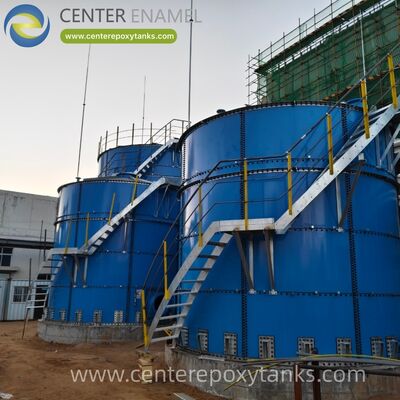
Bolted Steel Tanks as Wastewater Settling Tanks: Facilitates efficient particulate separation with a stable, circular structural design.
| Place of Origin: | China |
| Brand Name: | CEC TANKS |
| Certification: | ISO 9001:2008, AWWA D103 , OSHA , BSCI |
| Model Number: | W |
| Minimum Order Quantity: | 1set |
| Price: | $5000~$20000 one set |
| Packaging Details: | PE poly-foam between each two steel plates ; wooden pallet and wooden |
| Delivery Time: | 10-30 days after deposit received |
| Payment Terms: | L/C, T/T |
| Supply Ability: | 60 sets per month |
|
Detail Information |
|||
Product Description
Bolted Steel Tanks as Wastewater Settling Tanks: Facilitates efficient particulate separation with a stable, circular structural design.
In the critical sequence of wastewater treatment, the settling or sedimentation stage is where the laws of physics are put to practical use. Wastewater settling tanks, also known as primary clarifiers, are designed to slow the flow of effluent to a near-still state, allowing heavier solids and particulates to sink to the bottom while lighter oils and fats rise to the surface. This separation process is vital for reducing the organic load on downstream biological treatment units. Because these tanks are constantly exposed to untreated sewage, grit, and varying levels of industrial chemicals, they must be engineered to withstand a highly corrosive and abrasive environment while maintaining a perfectly circular geometry to support the rotating scraper mechanisms used for sludge removal.
Traditional concrete settling tanks are subject to "hydrogen sulfide attack," where gases from decomposing organic matter react with moisture to form sulfuric acid, eating away at the concrete matrix and exposing the reinforcement steel. Field-welded tanks, meanwhile, often experience accelerated corrosion at the weld seams. To provide a high-performance and durable alternative, the wastewater industry has standardized on Epoxy Coated Tanks, specifically Epoxy Bonded Steel Bolted Tanks. These vessels provide a factory-applied, heavy-duty barrier that ensures the settling process remains efficient and the structure remains intact for the long term.
The Engineering Challenges of Particulate Separation
A wastewater settling tank must be engineered to handle a unique combination of chemical aggression and mechanical stress:
Resistance to Grit and Abrasive Solids: Wastewater often carries sand, silt, and other abrasive particulates. The internal coating of the tank must be exceptionally hard and durable to resist the scouring effect of these solids as they settle and are scraped toward the central hopper.
Corrosion Isolation from Raw Sewage: Untreated wastewater contains a volatile mix of organic acids and sulfates. The Fusion Bonded Epoxy barrier provides a chemically inert surface that isolates the structural steel, preventing the oxidation and structural thinning that commonly plague unprotected vessels.
Maintenance of Precise Circular Geometry: For the sludge scraper bridge to function correctly, the tank must maintain its circularity within very tight tolerances. The precision-engineered panels of the bolted system ensure a perfectly round structure that allows the mechanical scrapers to operate smoothly without catching or uneven wear.
Durability Against Scum and Floating Oils: The water-line area is particularly vulnerable to corrosion due to the presence of fats, oils, and grease (FOG) and the constant fluctuation of liquid levels. The epoxy-bonded coating provides a uniform, non-porous shield that resists these aggressive organic compounds.
By providing a molecularly bonded barrier, Epoxy Coated Tanks ensure that the primary treatment stage is housed in a structure built for reliability and operational precision.
Technical Excellence: The Fusion Bonded Epoxy Barrier
The reliability of a settling tank is rooted in the Fusion Bonded Epoxy (FBE) manufacturing process. Unlike liquid-applied paints that are subject to the inconsistencies of on-site application, FBE is a high-performance polymer applied in a strictly controlled factory environment.
The process begins with the precision preparation of high-strength steel panels. Each panel is grit-blasted to achieve a near-white finish, creating an ideal mechanical anchor profile. A high-grade, thermosetting epoxy powder is then electrostatically applied. The panels are cured in specialized ovens at extreme temperatures, causing the epoxy to melt, flow, and undergo a chemical cross-linking reaction with the steel substrate.
This results in a dense, uniform, and incredibly tough barrier that is molecularly fused to the steel. Because the panels are coated before assembly, every edge and pre-punched bolt hole is fully encapsulated. On-site, these panels are joined using specialized high-strength fasteners and industrial-grade sealants, creating a liquid-tight structure that is immune to the atmospheric and chemical stresses of wastewater treatment.
The Strategic Role of Aluminum Dome Roofs
In wastewater settling, the roof serves as more than just a cover; it is a critical component for odor control and environmental protection. This is why the integration of Aluminum Dome Roofs is a standard for modern municipal and industrial settling systems:
Odor Containment and Gas Management: Primary settling can be a significant source of odors. Aluminum Dome Roofs provide a secure, gas-tight seal that traps foul-smelling gases like hydrogen sulfide, protecting the surrounding community and facilitating the routing of air to odor-scrubbing units.
Resistance to Corrosive Headspace Gases: The humid environment under the tank cover is highly corrosive. While a steel roof would require constant maintenance, aluminum naturally forms a protective oxide layer that is resistant to moisture and sewage gases, providing a maintenance-free cover.
Lightweight Clear-Span Architecture: The geodesic design provides immense structural strength without internal support columns. This is vital for settling tanks, as it allows the internal scraper bridge and mechanical equipment to rotate freely without obstruction.
Weather Protection for Process Stability: The dome protects the settling process from wind and rainwater, which could create turbulence and disrupt the delicate sedimentation of fine particulates.
Rapid Deployment and Modular Scalability
For a municipal utility or an industrial plant, the speed of installation is a major advantage. Because the components are prefabricated, the on-site assembly of an Epoxy Bonded Steel Bolted Tank is fast and efficient, requiring no on-site welding. This allows wastewater treatment upgrades to be completed with minimal disruption to existing services.
Furthermore, the modular nature of the system allows for future flexibility. If a treatment plant needs to increase its hydraulic capacity, these tanks can often be heightened by adding more rings of panels. This modularity ensures that the initial infrastructure investment remains a long-term, economical asset that can evolve with the community's needs.
Project Cases: Proven Performance in Wastewater Infrastructure
The following non-fictitious projects highlight the successful implementation of our Epoxy Coated Tanks in demanding wastewater and industrial environments:
Sichuan Chengdu Wastewater Treatment Plant Project: To support the massive utility needs of a major metropolitan area, this project deployed a high-capacity system featuring 16 units of tanks. This case demonstrates the structural stability and modular efficiency required for large-volume settling and clarification.
Saudi Municipal Sewage and Industrial Waste Project: Operating in extreme temperatures, this project required tanks that could resist both internal sewage chemistry and external environmental stress. The facility utilized 5 units of tanks, ensuring a secure and corrosion-free solution.
Hebei Municipal Water and Sewage Infrastructure Project: This project utilized a high-integrity bolted tank to support regional sewage management. The installation included 1 unit of tank, proving the reliability of the bolted system for critical municipal service.
Conclusion: A High-Performance Standard for Sedimentation
The effective management of wastewater settling requires infrastructure engineered for durability, mechanical precision, and odor control. The Epoxy Bonded Steel Bolted Tank represents the most advanced solution for the modern municipal and industrial wastewater sectors.
By providing a factory-fused barrier that resists internal and external corrosion, and by incorporating the advanced protection of Aluminum Dome Roofs, these tanks ensure that primary treatment assets are managed with absolute security. They offer a high-strength, low-maintenance, and scalable solution that supports the continued success of global water reclamation efforts.