-
Glass Fused To Steel Tanks (596)
-
Stainless Steel Tanks (434)
-
Fusion Bonded Epoxy Tanks (592)
-
Galvanized Steel Tanks (321)
-
Aluminum Dome Roofs (1316)
-
Wastewater Storage Tanks (231)
-
Welded Steel Tanks (457)
-
Pressure Vessels (295)
-
Anaerobic Digester (201)
-
Industrial Water Tanks (349)
-
Glass Lined Steel Tanks (180)
-
Bolted Steel Tanks (390)
-
Sludge Storage Tank (115)
-
Biogas Storage Tank (173)
-
Leachate Storage Tanks (133)
-
Agricultural Water Storage Tanks (179)
-
Fire Water Tank (166)
-
Grain Storage Silos (146)
-
Biogas Projects (425)
-
Wastewater Treatment Projects (788)
-
Double Membrane Roof (223)

|
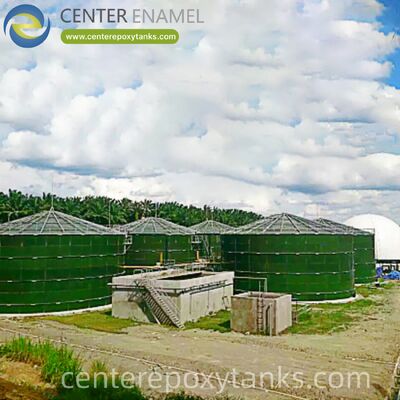
Biogas Holder for Biogas from Animal Waste Project: Stores the Gas to Ensure a Stable Supply for Conversion, Optimizing Output Efficiency
| Place of Origin: | China |
| Brand Name: | CEC TANKS |
| Certification: | ISO 9001:2008, AWWA D103 , OSHA , BSCI |
| Model Number: | W |
| Minimum Order Quantity: | 1set |
| Price: | $5000~$20000 one set |
| Packaging Details: | PE poly-foam between each two steel plates ; wooden pallet and wooden |
| Delivery Time: | 10-30 days after deposit received |
| Payment Terms: | L/C, T/T |
| Supply Ability: | 60 sets per month |
|
Detail Information |
|||
Product Description
Biogas Holder for Biogas from Animal Waste Project: Stores the Gas to Ensure a Stable Supply for Conversion, Optimizing Output Efficiency
A Biogas from Animal Waste Project (including livestock manure and slurry) involves large-scale anaerobic digestion to stabilize high-load agricultural waste. The core objective is to recover methane-rich biogas for energy use. However, variations in animal feeding cycles and manure collection lead to fluctuations in gas production. To ensure the high-value energy conversion equipment (e.g., generators, boilers) runs reliably, the system needs a dedicated storage solution that stores the gas to ensure a stable supply for conversion, optimizing output efficiency. Continuous, stable fuel delivery is non-negotiable for maximizing energy output.
The Biogas Holder, utilizing the Double Membrane system, is the optimal technological solution for this stability challenge. It efficiently stores the gas to ensure a stable supply for conversion, optimizing output efficiency. Installed either as an integrated flexible roof or as a large, free-standing sphere , this holder provides a dynamic, hermetic reservoir. By absorbing all production peaks and troughs, it ensures a constant, precise pressure and flow of fuel is delivered to the conversion unit, maximizing the energy yield and the economic return from the project.
Product Advantages for Animal Waste Biogas Systems
Center Enamel’s Double Membrane Biogas Holders are meticulously engineered to support the continuous, high-load demands of agricultural and animal waste biogas projects.
Stabilizing Fuel Delivery
Energy conversion equipment requires a precise, non-stop flow of gas for optimal performance. The inner membrane of the holder provides the dynamic gas reservoir capacity, accommodating the natural variability in biogas production rates. This crucial reserve ensures a stable and continuous fuel supply is available to the conversion unit, preventing damaging short-term shutdowns and helping to optimize output efficiency by allowing continuous runtime.
Precise Pressure Regulation
For generators and boilers to operate efficiently, they must receive fuel gas at a highly stable, specific pressure. The outer membrane and its control system actively maintain a constant pressure on the inner gas storage membrane. This active regulation ensures a stable discharge pressure to the conversion equipment, which is vital for maximizing combustion efficiency, minimizing wear, and ensuring reliable energy output for the farm or facility.
Support for Aluminum Dome Roofs
In the demanding agricultural environment of a Biogas from Animal Waste Project, where structural longevity and corrosion resistance against manure-derived elements are essential, the Biogas Holder can be integrated with a tank protected by an Aluminum Dome Roof. While the membrane system provides the essential flexible gas-tight envelope, the aluminum dome offers superior long-term corrosion protection and structural support for the entire digester tank structure, enhancing the system's durability against harsh conditions.
Company Advantages
Center Enamel’s standing as a premier global supplier is built on our deep technical expertise and commitment to quality. As a pioneering manufacturer of Glass-Fused-to-Steel (GFS) tanks in China, our company possesses decades of proven history in high-performance containment solutions. Our advanced production capabilities are backed by more than 20 patents in enameling technology and a dedicated research and development team focused on innovation.
Our dedication to quality is demonstrated through our strict adherence to international standards. Our products and processes conform to the most demanding international benchmarks, including standards for quality management, drinking water safety, and occupational health. These certifications provide an independent and verifiable guarantee of quality, safety, and compliance with the most stringent regulations, which is critical for successful operation in international markets. This commitment, combined with our proven global track record of successful projects in over 100 countries, makes us a reliable and expert partner for any complex agricultural or industrial biogas project.
Product Application Areas
Center Enamel's Double Membrane Biogas Holders are essential components across various sectors utilizing anaerobic digestion technology:
Biogas from Animal Waste Project: Stores the gas to ensure a stable supply for conversion, optimizing output efficiency.
Biogas from Kitchen Waste Project: Captures and secures the biogas, preventing leakage and ensuring odor control in urban environments.
Biogas Energy Harvester Project: Acts as the intermediate reservoir, securing the energy resource until needed by the conversion unit.
Livestock Wastewater Treatment Plant: A robust solution for capturing methane from concentrated animal waste.
Global Reach and Proven Excellence: Project Cases
Our extensive portfolio of successful containment projects showcases our capability to engineer robust, sealed, and durable solutions—expertise directly applied to our high-performance biogas holders. The following non-fictitious cases demonstrate our global reach and technical excellence:
Shanxi Natural Gas Project: We supplied 2 tanks for a natural gas project in Shanxi, China, showcasing our capability in major energy infrastructure.
Guizhou Guiyang Food Waste Treatment Project: We provided 1 tank for a food waste treatment facility in Guizhou, China, highlighting our role in sustainable waste-to-energy solutions.
Muyuan Group Guangxi Liucheng Livestock Wastewater Project: For a major agricultural client, we supplied 3 tanks for a livestock wastewater project, demonstrating our expertise in large-volume, sealed agricultural containment critical for biogas management.
Conclusion
For a Biogas from Animal Waste Project, the Double Membrane Biogas Holder is the stability factor for resource recovery. By reliably storing the gas to ensure a stable supply for conversion, optimizing output efficiency, it guarantees the continuous operation of the energy conversion assets, maximizing the project's profitability and supporting sustainable agricultural practices.