-
Glass Fused To Steel Tanks (596)
-
Stainless Steel Tanks (434)
-
Fusion Bonded Epoxy Tanks (592)
-
Galvanized Steel Tanks (321)
-
Aluminum Dome Roofs (1336)
-
Wastewater Storage Tanks (232)
-
Welded Steel Tanks (457)
-
Pressure Vessels (295)
-
Anaerobic Digester (201)
-
Industrial Water Tanks (349)
-
Glass Lined Steel Tanks (180)
-
Bolted Steel Tanks (389)
-
Sludge Storage Tank (115)
-
Biogas Storage Tank (173)
-
Leachate Storage Tanks (133)
-
Agricultural Water Storage Tanks (179)
-
Fire Water Tank (166)
-
Grain Storage Silos (146)
-
Biogas Projects (425)
-
Wastewater Treatment Projects (978)
-
Double Membrane Roof (223)

|
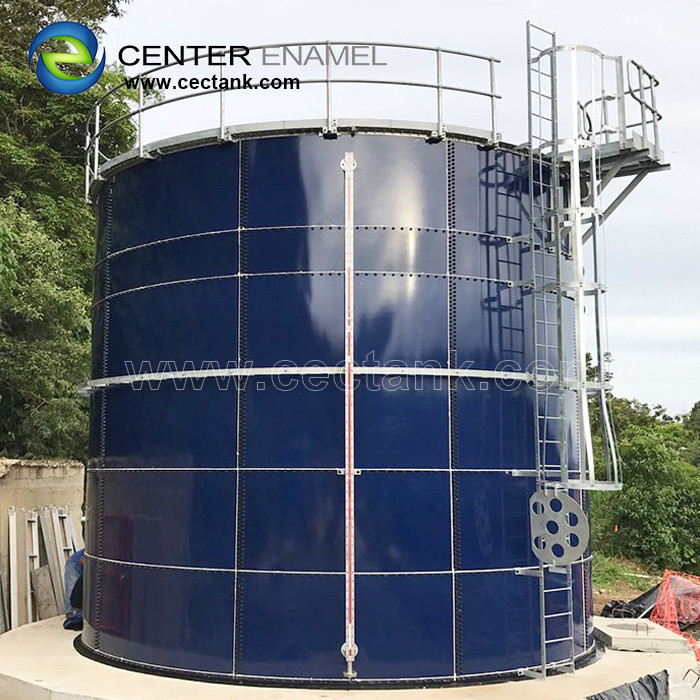
Bolted Steel GLS Tanks for Fire Water Storage: Certified Protection
| Place of Origin: | China |
| Brand Name: | CEC TANKS |
| Certification: | ISO 9001:2008, AWWA D103 , OSHA , BSCI |
| Model Number: | W201609013 |
| Minimum Order Quantity: | 1set |
| Price: | $5000~$20000 one set |
| Packaging Details: | PE poly-foam between each two steel plates ; wooden pallet and wooden box |
| Delivery Time: | 0-60 days after deposit received |
| Payment Terms: | L/C,T/T |
| Supply Ability: | 60 sets per month |
|
Detail Information |
|||
| Place of Origin | China | Brand Name | CEC TANKS |
|---|---|---|---|
| Certification | ISO 9001:2008, AWWA D103 , OSHA , BSCI | Model Number | W201609013 |
| Coating Thickness: | 0.25mm~0.40mm & Double Coating | Adhesion: | 3,450N/cm |
| Service Life: | ≥30 Years | Holiday Test: | >1500v |
| Elastic: | Same As Steel Sheet ,around 500KN /mm | Capacity: | 20 M3 To 18,000 M3 |
| Highlight: | Bolted Steel GLS Tanks F,20m3 Bolted Steel GLS Tanks |
||
Product Description
Bolted Steel GLS Tanks for Fire Water Storage
Direct Answer: In industrial, commercial, and municipal safety infrastructure, bolted steel GLS (Glass-Lined Steel) tanks are highly efficient, certified containment vessels designed for dedicated fire water storage. These engineering systems provide a permanent, non-degrading, and immediate volume of water to high-flow automatic sprinkler networks and fire hydrants.
By utilizing advanced glass-porcelain coatings molecularly fused to high-tensile steel plates, GLS tanks overcome the structural limitations of traditional storage options. They eliminate internal rust, micro-leaking, and the frequent maintenance shutdowns that can compromise a facility's fire safety readiness.
1. Material Science: The Glass-Lined Steel (GLS) Advantage
The harsh conditions inside a fire water tank—where water sits stagnant for long periods—accelerate corrosion in standard carbon steel structures. GLS technology directly addresses this vulnerability through an advanced chemical bond:
-
The Fusion Matrix: Low-carbon steel plates are grit-blasted to a near-white finish and coated with a specialized liquid glass-porcelain slurry. The panels are then fired in an automated furnace at 820°C to 930°C. The steel and glass merge to form an un-reactive, inert ionic bond.
-
Physical Impermeability: The resulting glass lining acts as a highly durable shield. With a Mohs hardness of 6.0, it resists scratching and prevents oxygen or moisture from contacting the structural steel core.
-
Prevention of Internal Fouling: Traditional raw or epoxy-lined steel tanks frequently experience localized microbial growth, scaling, or tuberculation (rust bumps), which can slough off and clog downstream fire pump impellers. The smooth, glass-like interior surface of a GLS tank prevents internal organic buildup, ensuring clean water delivery during high-velocity fire emergencies.
2. Technical Performance Matrix: Fire Water Tank Technologies
Selecting the right containment engineering code determines the operational lifecycle and reliability of a facility's safety infrastructure.
3. Critical Regulatory Compliance: NFPA 22 & AWWA D103
Industrial fire protection systems face strict scrutiny from insurance underwriters (such as FM Global) and municipal fire marshals. Bolted steel GLS tanks meet these demands by conforming to two primary structural standards:
AWWA D103 (Standard for Factory-Coated Bolted Carbon Steel Tanks for Water Storage)
This standard governs plate thickness calculations, bolt torque values, synthetic sealants, and structural wind/seismic anchors. It ensures the modular assembly can withstand intense environmental forces without structural failure.
NFPA 22 (Standard for Water Tanks for Private Fire Protection)
This fire protection standard mandates specific accessories and operational safety factors to ensure constant availability of the fire water reserve:
-
Anti-Vortex Assembly: Mandates a specialized suction plate over the intake pipe to prevent air whirlpools during high-volume pump draws, protecting fire pumps from cavitation.
-
Dedicated Fire Reserve Level: If a tank serves both general plant processes and fire protection, the process water intake is elevated to physically lock away and protect the bottom fire reserve.
-
Water Temperature Automation: Mandates reliable thermal monitoring and immersion heating loops to keep the stored water above 4.4°C (40°F) in freezing climates.
4. Interactive Fire Flow Sizing & Hydraulic Engine
To comply with NFPA 13 and NFPA 22 standards, engineers must size fire water reservoirs based on the automatic sprinkler system's hazard classification and the required design duration.
Use the calculator below to determine necessary net storage volumes and minimum tank dimensions for your facility.
5. Optimized Assembly: The Top-Down Jacking Method
One of the most practical advantages of modular bolted steel GLS tanks is their construction methodology. Rather than utilizing massive cranes or risky high-altitude scaffolding, assembly teams employ a specialized synchronized mechanical lifting process:
This top-down installation workflow offers distinct logistical benefits for crowded industrial sites:
-
Enhanced Worker Safety: Over 90% of all assembly, bolting, and sealant application occurs safely at waist height, minimizing high-altitude risks.
-
Hot-Work Elimination: Because the factory-finished plates are secured using high-tensile bolts and specialized EPDM gaskets, the assembly process requires zero field welding, grinding, or painting, reducing fire hazards during the construction phase.
-
Compressed Timelines: A 1,000 m³ bolted GLS reservoir can often be completely erected and sealed in under 10 days, allowing the facility to achieve full operational fire protection readiness ahead of schedule.
Technical FAQ
What type of sealant is used between the bolted GLS plates?
High-performance, single-component polyurethane or specialized silicone sealants are applied between the overlapping steel sheets. When cured, this material forms a highly flexible, watertight seal that accommodates thermal expansion and contraction cycles without leaking.
Can a bolted GLS tank be expanded in size if facility requirements change?
Yes. Because the system is entirely modular, if a facility expands and requires a larger fire water volume, engineers can add new rings of steel plates to the base of the existing structure using the mechanical jacking process, provided the original foundation was engineered to support the additional weight.
How does the glass lining perform under freezing conditions?
Vitreous glass enamel exhibits an identical coefficient of thermal expansion to the underlying steel plates. This structural alignment prevents the lining from cracking, spalling, or delaminating during extreme seasonal temperature swings or sub-zero freezing events.