-
Glass Fused To Steel Tanks (596)
-
Stainless Steel Tanks (434)
-
Fusion Bonded Epoxy Tanks (592)
-
Galvanized Steel Tanks (321)
-
Aluminum Dome Roofs (1336)
-
Wastewater Storage Tanks (232)
-
Welded Steel Tanks (457)
-
Pressure Vessels (295)
-
Anaerobic Digester (201)
-
Industrial Water Tanks (349)
-
Glass Lined Steel Tanks (180)
-
Bolted Steel Tanks (389)
-
Sludge Storage Tank (115)
-
Biogas Storage Tank (173)
-
Leachate Storage Tanks (133)
-
Agricultural Water Storage Tanks (179)
-
Fire Water Tank (166)
-
Grain Storage Silos (146)
-
Biogas Projects (425)
-
Wastewater Treatment Projects (938)
-
Double Membrane Roof (223)
|
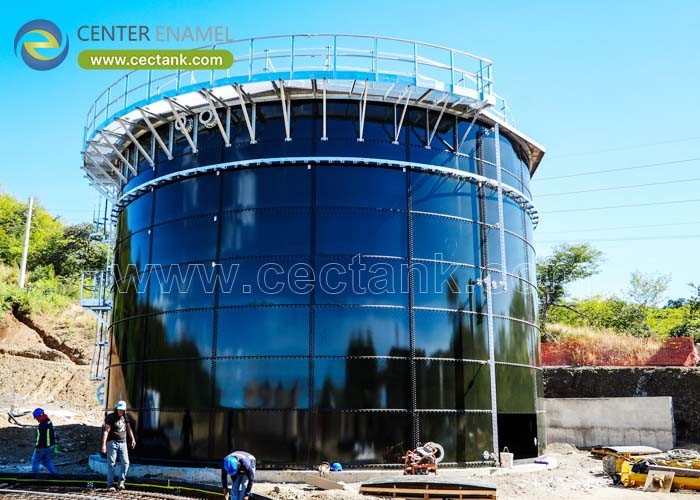
Fire Water Storage Tanks: Engineering Reliability for Critical Fire Safety
| Place of Origin: | China |
| Brand Name: | CEC TANKS |
| Certification: | ISO 9001:2008, AWWA D103 , OSHA , BSCI |
| Model Number: | W20170706011 |
| Minimum Order Quantity: | 1set |
| Price: | $5000~$20000 one set |
| Packaging Details: | PE poly-foam between each two steel plates ; wooden pallet and wooden box |
| Delivery Time: | 10-30 days after deposit received |
| Supply Ability: | 60 sets per month |
|
Detail Information |
|||
Product Description
Fire Water Storage Tanks: Engineering Reliability for Critical Fire Safety
In the fire protection industry, "reliability" is not just a buzzword—it is a life-safety requirement. When a sprinkler system or fire pump demands water, the storage tank must perform instantaneously, regardless of municipal supply status or time since the last inspection.
For facility managers, engineers, and fire safety officers, the large-volume fire water storage tank is the heart of the system. As industrial hazards grow in complexity, the infrastructure used to store this vital resource must transition from traditional, maintenance-heavy materials to high-performance, engineered solutions.
Why Modern Facilities are Choosing GFS Tanks for Fire Protection
For decades, fire water was stored in field-welded steel or poured-concrete tanks. Today, the industry is shifting toward Glass-Fused-to-Steel (GFS) bolted tanks. This technology combines the structural strength of high-tensile steel with the chemical inertness of a factory-applied glass finish.
1. Compliance-Driven Durability (NFPA 22 Standards)
Fire water storage is governed by strict standards, most notably NFPA 22 (Standard for Water Tanks for Private Fire Protection). GFS tanks are engineered to meet these requirements, ensuring they provide the necessary capacity, seismic resilience, and suction flow performance to satisfy both insurance carriers (like FM Global) and local authorities having jurisdiction (AHJ).
2. Eliminating the Maintenance Cycle
Traditional steel tanks require a rigorous schedule of sandblasting and repainting to prevent corrosion. GFS tanks are essentially "fit-and-forget." The glass-fused surface is immune to oxidation, meaning it does not rust or degrade, which prevents the build-up of debris that could otherwise clog pump suction lines or sprinkler heads.
3. Rapid Modular Deployment
In new construction or urgent compliance remediation, time is a liability. GFS tanks are pre-fabricated in climate-controlled factories and assembled on-site using a "top-down" hydraulic jacking method. This allows for assembly in weeks rather than months, significantly reducing project timelines.
Comparative Analysis: Storage Infrastructure
Choosing the right tank material is a strategic capital expenditure (CapEx) decision.
| Feature | GFS (Bolted Steel) | Field-Welded Steel | Poured Concrete |
| Corrosion Resistance | Excellent (Inert Glass) | Low (Requires Painting) | Low (Needs Liners) |
| Installation Speed | Fast (Weeks) | Slow (Months) | Very Slow |
| Maintenance | Minimal | High (Repainting) | High (Crack Repair) |
| Seismic Resilience | High (Engineered) | Moderate | Moderate |
| Expandability | High (Modular) | None | None |
Essential Components for NFPA 22 Compliance
An effective fire water tank is more than just a shell. To ensure reliability during an emergency, every tank must be equipped with essential appurtenances:
-
Anti-Vortex Plate: Prevents air from entering the suction line, ensuring the fire pump maintains prime and avoids catastrophic cavitation.
-
Roof Vents: Properly sized vents prevent internal vacuum pressure when the pump rapidly draws down the tank volume.
-
Heating Systems: In regions where temperatures drop below 42°F (5.6°C), immersion heaters or circulation systems are required to prevent ice formation.
-
Level Alarms & Gauges: Reliable, redundant methods to verify water volume, typically integrated into the building’s fire alarm control panel.
Frequently Asked Questions (FAQ)
Q: Does NFPA 22 require a specific type of tank material?
A: No, NFPA 22 does not mandate one material over another. However, it requires that the chosen material meets rigorous structural engineering standards (like AWWA D103 for steel). GFS tanks are widely accepted because they exceed these material durability requirements.
Q: Can a fire protection tank also be used for domestic water?
A: Yes, dual-use tanks are permitted. However, the domestic water outlet must be positioned high enough on the tank so that the required "fire reserve" volume at the bottom is never depleted by daily water usage.
Q: How often does an NFPA 22 tank need to be inspected?
A: NFPA 25 (the companion standard to NFPA 22) mandates a strict inspection schedule. This typically includes annual exterior visual inspections and a comprehensive interior evaluation every five years.
Q: How does a bolted tank prevent leaks?
A: Modern GFS fire tanks utilize high-grade, chemical-resistant gaskets and sealant systems designed specifically for water containment. The panels are precision-engineered to provide a leak-proof structural seal that remains stable over the tank's 30+ year lifespan.
Partner with Center Enamel
Center Enamel has over 30 years of experience providing high-capacity, NFPA 22-compliant storage solutions for industrial, commercial, and municipal clients worldwide. We offer end-to-end support, from initial hydraulic demand calculations and site-specific structural design to professional, on-site assembly.
Protect your facility with the industry’s most reliable storage technology. Contact our team to discuss your project’s capacity requirements and compliance needs.