-
Glass Fused To Steel Tanks (596)
-
Stainless Steel Tanks (434)
-
Fusion Bonded Epoxy Tanks (592)
-
Galvanized Steel Tanks (321)
-
Aluminum Dome Roofs (1336)
-
Wastewater Storage Tanks (232)
-
Welded Steel Tanks (457)
-
Pressure Vessels (295)
-
Anaerobic Digester (201)
-
Industrial Water Tanks (349)
-
Glass Lined Steel Tanks (180)
-
Bolted Steel Tanks (389)
-
Sludge Storage Tank (115)
-
Biogas Storage Tank (173)
-
Leachate Storage Tanks (133)
-
Agricultural Water Storage Tanks (179)
-
Fire Water Tank (166)
-
Grain Storage Silos (146)
-
Biogas Projects (425)
-
Wastewater Treatment Projects (938)
-
Double Membrane Roof (223)

|
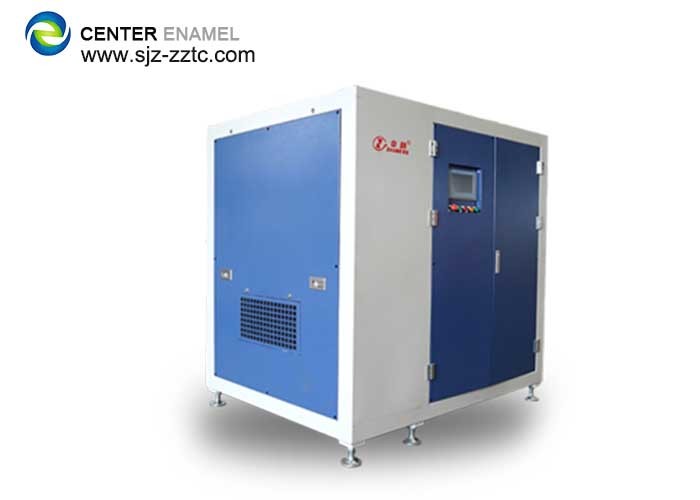
The Role of Maglev Turbo Blowers in Modern Wastewater Treatment
| Place of Origin: | China |
| Brand Name: | CEC TANKS |
| Certification: | ISO 9001:2008, AWWA D103 , OSHA , BSCI |
| Model Number: | W20161227006 |
| Minimum Order Quantity: | 1set |
| Price: | $5000~$20000 one set |
| Packaging Details: | PE poly-foam between each two steel plates ; wooden pallet and wooden box |
| Delivery Time: | 0-60 days after deposit received |
| Payment Terms: | L/C,T/T |
| Supply Ability: | 60 sets per month |
|
Detail Information |
|||
| Place of Origin | China | Brand Name | CEC TANKS |
|---|---|---|---|
| Certification | ISO 9001:2008, AWWA D103 , OSHA , BSCI | Model Number | W20161227006 |
| Applications: | Water , Waste Water, Digester , Reactor , Grain , Sludge , Chemicals | Acid And Alkalinity Proof: | PH1 - PH14 |
| Usage: | Waste Water Treatment , Sewage Treatment, Effluent Treatment, Ect. | Defect Free: | Minimum Maintenance Needed |
| Installation: | By Jacking Machine Or Steel Pole, Fast In Installation | Highlight: | OSHA Maglev Turbo Blower,Wastewater Treatment Maglev Turbo Blower |
Product Description
The Role of Maglev Turbo Blowers in Modern Wastewater Treatment
In the wastewater treatment industry, aeration systems represent the single largest operational expense, often accounting for 40% to 70% of a plant’s total electricity consumption. As facilities face increasing pressure to lower carbon footprints, reduce noise pollution, and ensure strict compliance with workplace safety standards, the industry has undergone a paradigm shift: moving away from traditional positive displacement (Roots) blowers toward high-efficiency Maglev Turbo Blowers.
Whether you are looking to optimize your plant’s energy consumption or ensure a safer environment for your team, understanding the technology behind Magnetic Levitation (Maglev) is essential for modern infrastructure management.
What is a Maglev Turbo Blower?
A Maglev turbo blower is a high-speed centrifugal blower that utilizes active magnetic bearing technology. In traditional blowers, the rotor shaft is supported by physical bearings that require oil lubrication and create mechanical friction.
In a Maglev system, the rotor is suspended in a magnetic field. This allows for:
-
Contactless Operation: The shaft rotates without physical contact, effectively eliminating mechanical friction and the need for oil lubricants.
-
High-Speed Efficiency: Because there is no friction, these units can operate at much higher speeds, delivering massive volumes of air with significantly less energy input.
Operational Benefits for Wastewater Facilities
1. Unmatched Energy Efficiency
Maglev blowers are often 30% to 50% more efficient than conventional Roots blowers. By using intelligent variable frequency drives (VFDs), the blower can automatically adjust airflow to match the real-time oxygen demand of the treatment basin, preventing energy waste during low-load periods.
2. Reduced Maintenance Requirements
Traditional blowers are maintenance-intensive; they require routine oil changes, belt replacements, gearbox inspections, and bearing lubrication. Maglev blowers eliminate the gearbox and physical bearings, drastically reducing scheduled downtime and the costs associated with wear-and-tear parts.
3. Quieter and Safer Environments
Noise pollution is a major concern in municipal plants located near residential zones. Maglev technology operates at significantly lower decibel levels than traditional blowers, often eliminating the need for expensive acoustic enclosures. Furthermore, by removing the risks associated with high-pressure oil systems and mechanical vibration, these units contribute to a safer, more stable workplace that aligns with rigorous health and safety standards.
Safety, Compliance, and Industry Standards
While there is no specific "OSHA-brand" blower, the selection of equipment in wastewater treatment is heavily guided by Occupational Safety and Health Administration (OSHA) and similar international safety regulations.
Maglev turbo blowers inherently support compliance with these safety mandates in several ways:
-
Elimination of Hazardous Fluids: By operating without oil, you eliminate the risk of oil leaks, slip-and-fall hazards, and the storage of flammable lubricants.
-
Reduced Noise Exposure: Lower operational noise helps maintain a work environment that stays within permissible exposure limits for noise.
-
Vibration Control: Advanced Maglev sensors monitor the unit's vibration in real-time, preventing potential mechanical failure before it creates a workplace hazard.
Comparison: Maglev Turbo vs. Traditional Roots Blowers
| Feature | Maglev Turbo Blower | Traditional Roots Blower |
| Energy Efficiency | High (80%–90%+) | Moderate (60%–75%) |
| Maintenance | Very Low (No oil/gears) | High (Oil, belts, gears) |
| Noise Level | Low (Often <80 dB) | High (Often requires enclosure) |
| Lubrication | None (Oil-free) | Required (Oil-based) |
| Lifespan | 15–20 Years | 10–15 Years |
Frequently Asked Questions (FAQ)
Q: Why is the initial investment for Maglev higher?
A: Maglev blowers utilize advanced materials, high-speed impellers, and sophisticated digital controllers. While the upfront cost is higher than a traditional Roots blower, the Return on Investment (ROI) is typically achieved within 1–3 years due to drastic electricity and maintenance savings.
Q: Are Maglev blowers suitable for all wastewater plants?
A: They are excellent for most continuous-process aeration applications. However, for plants with extreme load fluctuations or harsh gas environments, some operators choose a hybrid strategy—using Maglev blowers for primary aeration and keeping existing Roots blowers as backup for peak load or emergency conditions.
Q: Do I need specialized training to operate a Maglev blower?
A: These systems are highly automated and controlled via digital interfaces. While the daily operation is simpler than mechanical blowers, your maintenance team will benefit from basic training on the digital control software and remote monitoring capabilities.
Q: How does Maglev technology impact workplace safety?
A: Beyond the obvious benefits of reduced noise and the removal of oil hazards, Maglev blowers feature advanced sensors that provide real-time data on operating conditions. This allows for predictive maintenance, preventing unexpected equipment failure and ensuring that your facility remains a safe, predictable workplace.
The transition to Maglev turbo blowers is not just a technology upgrade; it is a strategic decision to enhance plant sustainability. By reducing energy costs and maintenance labor, you can allocate your facility's budget toward other critical infrastructure needs while providing a quieter, cleaner, and more efficient workplace for your staff.
Does your facility need an energy audit to determine if a Maglev upgrade is right for your aeration basins? Contact your local environmental engineering team to request a lifecycle cost analysis.