-
Glass Fused To Steel Tanks (807)
-
Stainless Steel Tanks (434)
-
Fusion Bonded Epoxy Tanks (592)
-
Galvanized Steel Tanks (321)
-
Aluminum Dome Roofs (1336)
-
Wastewater Storage Tanks (265)
-
Welded Steel Tanks (457)
-
Pressure Vessels (295)
-
Anaerobic Digester (202)
-
Industrial Water Tanks (349)
-
Glass Lined Steel Tanks (180)
-
Bolted Steel Tanks (389)
-
Sludge Storage Tank (115)
-
Biogas Storage Tank (173)
-
Leachate Storage Tanks (133)
-
Agricultural Water Storage Tanks (179)
-
Fire Water Tank (166)
-
Grain Storage Silos (146)
-
Biogas Projects (424)
-
Wastewater Treatment Projects (1550)
-
Double Membrane Roof (223)

|
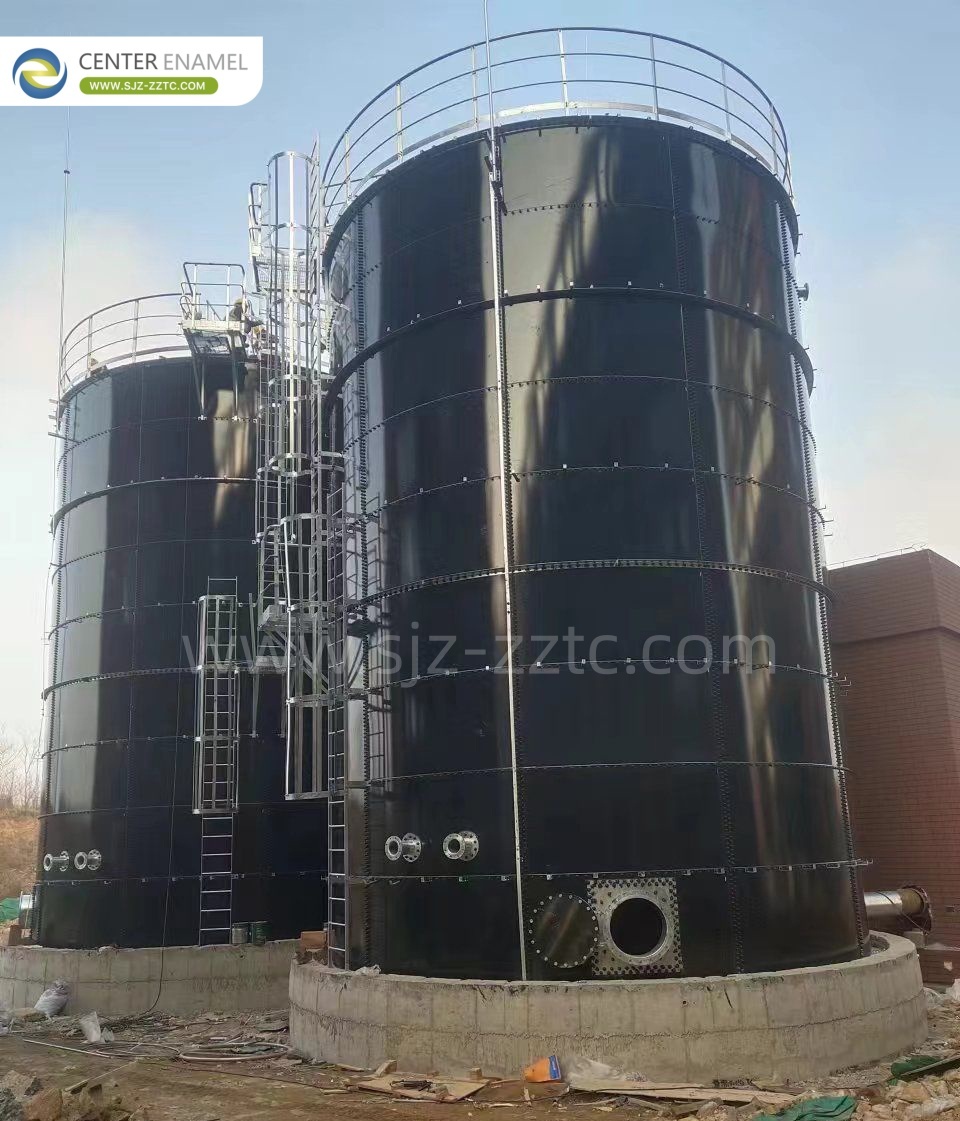
Biogas Solution Provider with GFS Tanks for Thailand Municipal Sludge Treatment
| Place of Origin: | China |
| Brand Name: | CEC TANKS |
| Certification: | ISO 9001:2008, AWWA D103 , OSHA , BSCI |
| Model Number: | W |
| Minimum Order Quantity: | 1set |
| Price: | $5000~$20000 one set |
| Packaging Details: | PE poly-foam between each two steel plates ; wooden pallet and wooden |
| Delivery Time: | 10-30 days after deposit received |
| Payment Terms: | L/C,T/T |
| Supply Ability: | 60 sets per month |
|
Detail Information |
|||
| Place of Origin | China | Brand Name | CEC TANKS |
|---|---|---|---|
| Certification | ISO 9001:2008, AWWA D103 , OSHA , BSCI | Model Number | W |
| Tank Body Color: | Dark Green / Can Be Customized | Corrosion Integrity: | Excellent |
| Steel Plates Thickness: | 3mm To 12mm , Depends On The Tank Structure | Chemical Resistance: | Excellent |
| Size Of Panel: | 2.4M * 1.2M | Easy To Clean: | Smooth, Glossy, Inert, Anti-adhesion |
| Highlight: | Biogas solution for sludge treatment,GFS tanks for wastewater treatment,Municipal sludge treatment in Thailand |
||
Product Description
Thailand’s rapid urbanization and expanding industrial sector have led to a significant increase in municipal wastewater generation. As wastewater treatment plants process this water, a semi-solid byproduct known as municipal sludge is produced. This sludge is a complex mixture of organic matter, nutrients, and potentially harmful pathogens. Managing this waste is a critical environmental challenge for Thai municipalities. However, sludge is not just waste; it is a rich source of untapped energy. If left untreated, it poses environmental risks, but when processed correctly through anaerobic digestion, it becomes a valuable resource for renewable energy production, helping Thailand meet its sustainability goals.
How Municipal Sludge Converts to Biogas
The conversion of municipal sludge into biogas occurs through a biological process called anaerobic digestion. In an oxygen-free environment, specific microorganisms break down the organic matter within the sludge. This digestion process stabilizes the waste, reducing its volume and eliminating odors. As the microorganisms consume the organic material, they produce a mixture of gases, primarily methane and carbon dioxide. This biogas is a versatile renewable energy source. It can be captured and used directly for heating or electricity generation, or it can be upgraded to biomethane. This process not only treats the sludge but also turns a disposal problem into an energy solution.
The CSTR Process: Core Technology
At the heart of efficient biogas production is the Continuous Stirred-Tank Reactor (CSTR). This technology is designed to maximize the contact between organic waste and anaerobic microorganisms. The CSTR reactor is equipped with a mechanical stirring device that ensures continuous mixing. By maintaining a constant temperature and feeding the reactor continuously or semi-continuously, the system achieves a completely mixed fermentation state. This allows for the effective degradation of organic matter, even in wastewater with high suspended solids. The CSTR process ensures high biogas yields and reliable performance, making it a cornerstone of modern sludge treatment facilities.
Biogas Treatment and Utilization Stage
Once biogas is generated, it undergoes treatment to remove impurities such as moisture and hydrogen sulfide. The treated biogas can then be utilized in several ways. It can be burned in a boiler to provide thermal energy for industrial or agricultural facilities. Alternatively, it can fuel a generator to produce electricity. In cases of excess gas production, a flare system ensures safe pressure relief. For advanced applications, the biogas can be purified to over 95% methane content, becoming Compressed Natural Gas (CNG) for use as vehicle fuel or injection into the natural gas grid, maximizing the energy utilization of the waste.
GFS Tanks and Double Membrane Roofs
For biogas projects in Thailand, Center Enamel provides two essential products: GFS Tanks and Double Membrane Roofs. GFS (Glass-Fused-to-Steel) tanks are created by fusing glass to steel at high temperatures, creating a robust, corrosion-resistant barrier ideal for storing sludge and digestate. Complementing these tanks are Double Membrane Roofs. These roofs are superior for anaerobic digestion processes, offering excellent gas tightness for biogas collection and odor control. The double membrane design provides insulation and maintains stable pressure, ensuring the safety and efficiency of the entire biogas storage system.
Diverse Roof and Tank Solutions
Center Enamel offers a variety of tank and roof solutions to meet specific project needs. For tank roofs, options include Aluminum Geodesic Dome Roofs, which are corrosion-resistant and cost-effective; Glass-Fused-to-Steel Roofs, known for air-tightness and odor control; and Single/Double Membrane Roofs for superior gas storage. For tanks, we provide Galvanized Steel Tanks for durability, Fusion Bonded Epoxy Tanks for innovative coating technology, and Stainless Steel Tanks for high-purity or harsh environments. This diverse portfolio ensures we have the right solution for any municipal sludge treatment scenario.
Essential Biogas Equipment
A complete biogas project requires more than just tanks. Center Enamel supplies a comprehensive range of auxiliary equipment. This includes Gas Holders for temporary storage and Black Membranes for flexible gas storage. Solid-liquid Separators and Screw Sludge Dewatering Machines are essential for managing digestate. Lifting Pumps ensure efficient material flow, while Dehydration and Desulfurization Tanks purify the gas. Additionally, Torch Systems provide essential safety by burning off excess gas. This integrated equipment ensures the smooth operation of the entire biogas production line.
Center Enamel: Your One-Stop Biogas Solution Provider
Center Enamel is a leading Biogas Solution Provider offering full-turnkey project solutions. Our advantages include:
- Comprehensive Service: From design and engineering to equipment supply and construction.
- Proven Technology: Expertise in CSTR process and GFS tank manufacturing.
- Global Compliance: Certifications including CE/EN1090, ISO9001, NSF61, and AWWA D103.
- Customization: Tailored tank and roof solutions to fit specific site conditions.
- Reliability: Over 36 years of history and a presence in 100+ countries.
Conclusion
Converting municipal sludge into biogas is a vital strategy for sustainable waste management in Thailand. By leveraging advanced CSTR technology and durable GFS Tanks, municipalities can transform a costly disposal issue into a source of clean energy. With comprehensive turnkey services and a wide range of equipment, Center Enamel stands ready to support Thailand’s transition to a greener, more energy-independent future.
Q: What is the primary benefit of anaerobic digestion for sludge?
A: It reduces waste volume and produces biogas, a renewable energy source.
Q: Why are GFS tanks preferred for biogas projects?
A: They offer excellent corrosion resistance and durability due to the glass-fused-to-steel bond.
Q: How does temperature affect the anaerobic digestion process?
A: Anaerobic bacteria are temperature-sensitive; maintaining a constant, optimal temperature range is crucial for maximizing biogas production and process stability.