-
Glass Fused To Steel Tanks (792)
-
Stainless Steel Tanks (434)
-
Fusion Bonded Epoxy Tanks (592)
-
Galvanized Steel Tanks (321)
-
Aluminum Dome Roofs (1336)
-
Wastewater Storage Tanks (237)
-
Welded Steel Tanks (457)
-
Pressure Vessels (295)
-
Anaerobic Digester (202)
-
Industrial Water Tanks (349)
-
Glass Lined Steel Tanks (180)
-
Bolted Steel Tanks (389)
-
Sludge Storage Tank (115)
-
Biogas Storage Tank (173)
-
Leachate Storage Tanks (133)
-
Agricultural Water Storage Tanks (179)
-
Fire Water Tank (166)
-
Grain Storage Silos (146)
-
Biogas Projects (424)
-
Wastewater Treatment Projects (1500)
-
Double Membrane Roof (223)


|
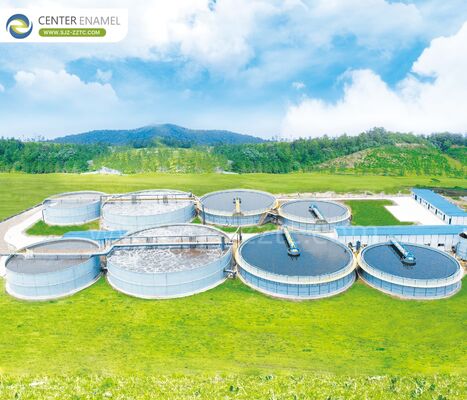
Sustainable Municipal Sewage Treatment in Singapore: Integrating GFS Tanks with Biogas Power Plant Technology
| Place of Origin: | China |
| Brand Name: | CEC TANKS |
| Certification: | ISO 9001:2008, AWWA D103 , OSHA , BSCI |
| Model Number: | W |
| Minimum Order Quantity: | 1set |
| Price: | $5000~$20000 one set |
| Packaging Details: | PE poly-foam between each two steel plates ; wooden pallet and wooden |
| Delivery Time: | 10-30 days after deposit received |
| Payment Terms: | L/C,T/T |
| Supply Ability: | 60 sets per month |
|
Detail Information |
|||
| Place of Origin | China | Brand Name | CEC TANKS |
|---|---|---|---|
| Certification | ISO 9001:2008, AWWA D103 , OSHA , BSCI | Model Number | W |
| Tank Body Color: | Dark Green / Can Be Customized | Corrosion Integrity: | Excellent |
| Steel Plates Thickness: | 3mm To 12mm , Depends On The Tank Structure | Chemical Resistance: | Excellent |
| Size Of Panel: | 2.4M * 1.2M | Easy To Clean: | Smooth, Glossy, Inert, Anti-adhesion |
| Highlight: | Sustainable municipal sewage treatment Singapore,GFS tanks biogas power plant technology,Wastewater treatment projects with biogas integration |
||
Product Description
Sustainable Municipal Sewage Treatment in Singapore: Integrating GFS Tanks with Biogas Power Plant Technology
Singapore’s water-scarce environment demands highly efficient and sustainable municipal sewage treatment solutions. This article outlines the comprehensive treatment process, focusing on the effective A2O method and the critical role of durable storage solutions like GFS Tanks. It further highlights how Center Enamel, functioning as a top-tier Biogas Power Plant solution provider, offers integrated engineering, manufacturing, and construction services to address Singapore’s unique water and wastewater challenges, ensuring environmental sustainability and public health.
Introduction to Municipal Sewage Sources in Singapore
In Singapore, municipal sewage is generated from a wide array of domestic, commercial, and industrial activities. It typically contains human waste, food scraps, soaps, and detergents, along with various industrial chemicals. This complex mixture poses significant health and environmental hazards due to the presence of harmful pathogens, chemicals, and other pollutants. The risks include the spread of infectious diseases, contamination of natural water sources, and damage to fragile ecosystems. The composition of this sewage includes organic matter, nutrients such as nitrogen and phosphorus, pathogens, suspended solids, and potentially hazardous household and industrial chemicals.
The Municipal Sewage Treatment Process Explained
The treatment journey starts with the Wastewater Collecting Tank, which equalizes water quality and quantity. The sewage then flows into an Anaerobic Tank, where anaerobic microorganisms break down large-molecule organic matter. Next, it enters an Anoxic Tank for denitrification, where bacteria reduce nitrate nitrogen to nitrogen gas. The process continues into an Aerobic Tank, where aerobic microorganisms further decompose organic matter and perform nitrification, converting ammonia nitrogen into nitrate nitrogen. This sequential biological treatment is designed to remove contaminants efficiently, preparing the water for advanced filtration and disinfection stages.
The A2O Process: A Core Technology
The A2O process is a highly effective biological treatment method widely used in Singapore's municipal facilities. It stands for Anaerobic-Anoxic-Oxic and is designed to remove organic matter, nitrogen, and phosphorus simultaneously. The anaerobic stage facilitates phosphorus release, the anoxic stage handles denitrification, and the aerobic stage completes nitrification and phosphorus uptake. This integrated approach not only ensures high-quality effluent but also helps in controlling eutrophication in receiving waters, making it an environmentally friendly and efficient choice for modern wastewater treatment plants.
Why GFS Tanks are Essential for Singaporean Projects
GFS Tanks are an ideal solution for municipal sewage treatment in Singapore's tropical climate. The manufacturing process involves firing at 820°C-930°C, where molten glass reacts with steel to form an inert, inorganic bond. This creates a coating that combines the strength and flexibility of steel with the superior corrosion resistance of glass. These tanks offer significant advantages over standard epoxy or welded painted tanks, providing a long-lasting, low-maintenance solution for storing wastewater, potable water, and biogas. Their modular bolted design allows for quick on-site assembly, which is particularly beneficial for space-constrained or expanding municipal projects.
Key Equipment for Effective Treatment
A modern treatment plant relies on a series of specialized equipment to function optimally. The MBR Tank integrates membrane separation with activated sludge, replacing traditional sedimentation tanks to enhance microbial interception and treatment efficiency. For final disinfection, UV Sterilizers are employed to eliminate bacteria, viruses, and microorganisms, ensuring the effluent meets discharge standards. Sludge handling is managed by Screw Stack Sludge Dewatering Machines and Sludge Transfer Pumps, which reduce sludge volume. Submersible Mixers ensure proper mixing in tanks, while Lifting Pumps and Sludge Return Pumps maintain the necessary flow dynamics throughout the system.
Versatile Storage Tank and Cover Solutions
Center Enamel offers a wide range of tank and roof options to suit diverse project needs. Aluminum Geodesic Dome Roofs provide advanced corrosion resistance and expansive clear spans with minimal maintenance. Glass-Fused-to-Steel Roofs are air-tight, making them suitable for pressurized structures and odor control. Single and Double Membrane Roofs are excellent for anaerobic digestion and biogas collection due to their high air-tightness. For cost-effective solutions, Aluminum Alloy Trough Deck Roofs offer rain and wind protection. Additionally, Stainless Steel Roofs and FRP Roofs cater to harsh environments and non-airtight storage requirements like drinking water or fire water.
Center Enamel: A One-Stop Biogas Power Plant Solution Provider
Center Enamel is a comprehensive high-tech enterprise specializing in wastewater treatment engineering and equipment manufacturing. As a premier Biogas Power Plant solution provider, the company offers a complete suite of services, including engineering design, equipment manufacturing, and project construction. Their key advantages include:
- Extensive Experience: Over 35 years of industry history and a team of 500+ employees dedicated to environmental engineering.
- Large-Scale Manufacturing: A 150,000m² R&D and manufacturing center with an annual capacity of 300,000 sheets, ensuring timely delivery and high quality.
- Global Project Portfolio: Successfully implemented projects across multiple countries, providing innovative and sustainable solutions for water, wastewater, and biogas.
- Turnkey Solutions: From initial design to final commissioning, they provide comprehensive support to address critical water and wastewater challenges.
Summary
Singapore's commitment to sustainable development relies heavily on efficient municipal sewage treatment. By adopting advanced technologies like the A2O process and utilizing durable GFS Tanks, treatment plants can operate effectively and reliably. Center Enamel, a trusted Biogas Power Plant solution provider, delivers integrated solutions that cover every aspect of the project lifecycle, empowering Singapore to manage its wastewater resources responsibly and protect its natural environment for future generations.
Frequently Asked Questions (FAQ)
1. What is the function of the Aerobic Tank in the treatment process?
The Aerobic Tank is where aerobic microorganisms decompose organic matter and carry out nitrification. This process converts ammonia nitrogen into nitrate nitrogen, which can then be removed in subsequent stages.
2. How does the MBR Tank improve treatment efficiency?
The MBR Tank combines membrane separation with the activated sludge process. The membrane module replaces the secondary sedimentation tank, intercepting a large number of microbial flora and thereby improving the capacity and efficiency of sewage treatment.
3. What happens to the residual sludge after treatment?
The residual sludge from the MBR tank is directed to a sludge thickener for concentration. It is then dewatered using a screw-type sludge dewatering machine before being transported off-site for further treatment or disposal.