-
Glass Fused To Steel Tanks (596)
-
Stainless Steel Tanks (434)
-
Fusion Bonded Epoxy Tanks (592)
-
Galvanized Steel Tanks (321)
-
Aluminum Dome Roofs (1336)
-
Wastewater Storage Tanks (232)
-
Welded Steel Tanks (457)
-
Pressure Vessels (295)
-
Anaerobic Digester (202)
-
Industrial Water Tanks (349)
-
Glass Lined Steel Tanks (180)
-
Bolted Steel Tanks (389)
-
Sludge Storage Tank (115)
-
Biogas Storage Tank (173)
-
Leachate Storage Tanks (133)
-
Agricultural Water Storage Tanks (179)
-
Fire Water Tank (166)
-
Grain Storage Silos (146)
-
Biogas Projects (424)
-
Wastewater Treatment Projects (1158)
-
Double Membrane Roof (223)

|
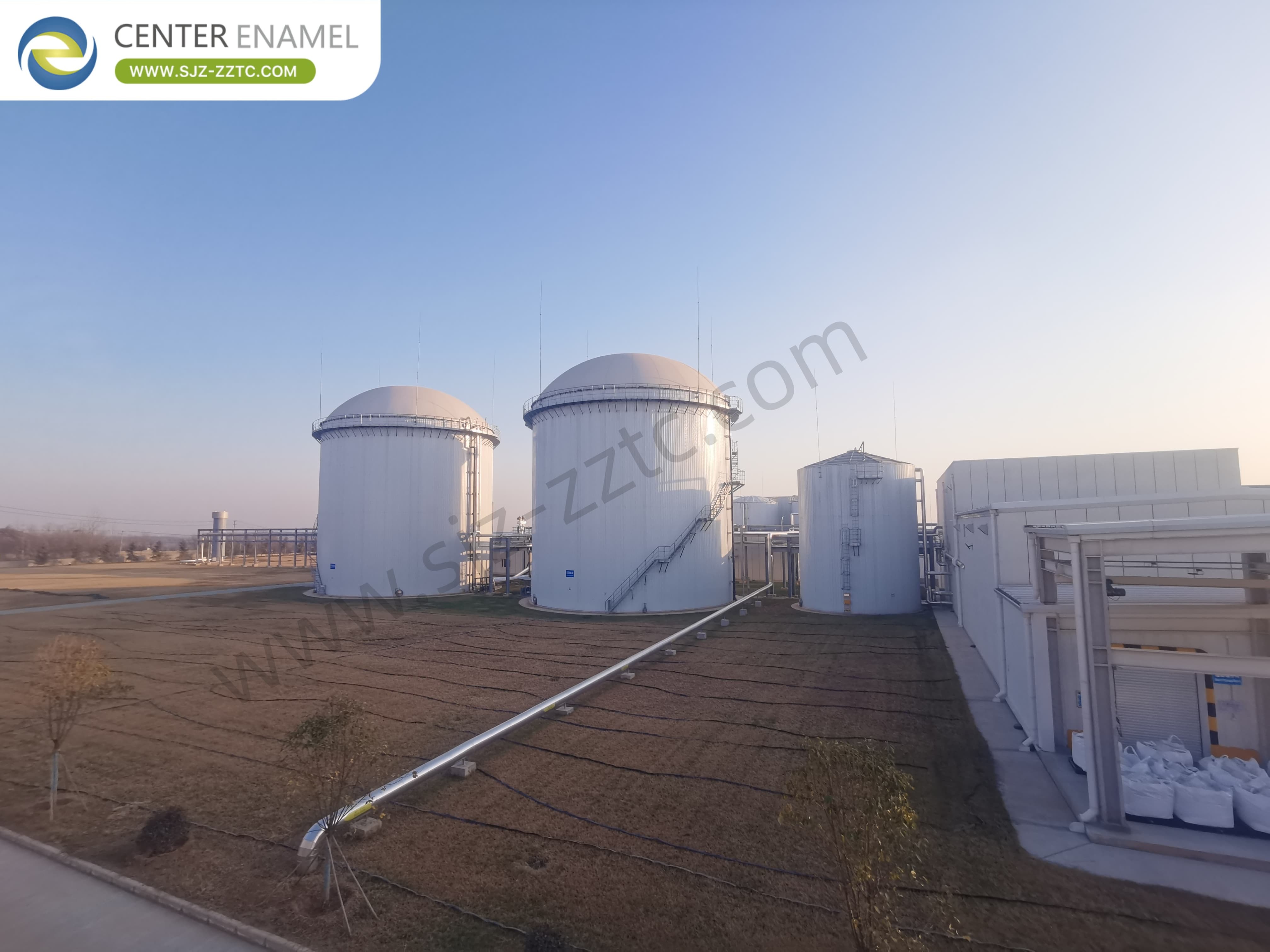
Advancing Thailand Agricultural Sustainability with CSTR Biogas Solution Provider Plants
| Place of Origin: | China |
| Brand Name: | CEC TANKS |
| Certification: | ISO 9001:2008, AWWA D103 , OSHA , BSCI |
| Model Number: | W |
| Minimum Order Quantity: | 1set |
| Price: | $5000~$20000 one set |
| Packaging Details: | PE poly-foam between each two steel plates ; wooden pallet and wooden |
| Delivery Time: | 10-30 days after deposit received |
| Payment Terms: | L/C,T/T |
| Supply Ability: | 60 sets per month |
|
Detail Information |
|||
| Place of Origin | China | Brand Name | CEC TANKS |
|---|---|---|---|
| Certification | ISO 9001:2008, AWWA D103 , OSHA , BSCI | Model Number | W |
| Tank Body Color: | Dark Green / Can Be Customized | Corrosion Integrity: | Excellent |
| Steel Plates Thickness: | 3mm To 12mm , Depends On The Tank Structure | Chemical Resistance: | Excellent |
| Size Of Panel: | 2.4M * 1.2M | Easy To Clean: | Smooth, Glossy, Inert, Anti-adhesion |
| Highlight: | CSTR biogas plant Thailand,agricultural wastewater treatment plant,sustainable biogas solution provider |
||
Product Description
Thailand's booming agricultural and livestock sectors generate massive quantities of organic residues that demand efficient, eco-friendly management strategies. Transforming livestock waste into renewable energy offers a dual advantage of reducing greenhouse gas emissions and supplying decentralized power to rural communities. This article examines the technological framework required to establish high-efficiency agricultural biogas plants. By adopting proven engineering practices, project developers across Thailand can convert burdensome organic waste into a valuable economic asset.
Large dairy and beef cattle operations in Thailand produce substantial volumes of daily manure characterized by high organic loading and solid content. Managing these waste streams without proper infrastructure leads to severe environmental concerns, including obnoxious odors, greenhouse gas release, and waterway pollution. Raw manure contains high levels of pathogens and suspended solids that cannot be discharged directly into local ecosystems without violating environmental regulations. Furthermore, traditional open-air handling methods are highly inefficient and fail to capture the energy potential locked within the organic matter. Implementing advanced mechanical pre-treatment systems is therefore necessary to screen out large impurities and homogenize the waste before biological treatment.
The conversion of cattle manure into clean biogas involves a specialized sequence of biological and mechanical processing stages. Initially, raw manure passes through mechanical bar screens and crushing units to eliminate large solid debris and prepare a uniform slurry. This prepared waste is directed into mixing and equalization tanks to stabilize flow rates before entering the main anaerobic reactor. Inside the sealed reactor, anaerobic bacteria break down the organic compounds, transforming volatile solids into a mixture of methane and carbon dioxide gases. The resulting biogas undergoes moisture removal and desulfurization to purify the fuel for energy generation equipment such as boilers or generators. Meanwhile, the residual digestate is processed through solid-liquid separation units to produce organic fertilizers for regional farming use.
The Continuous Stirred-Tank Reactor represents the cornerstone technology for high-efficiency anaerobic digestion of agricultural waste slurries. This specialized reactor design maintains continuous mixing of incoming organic materials and microbial populations under precise operating parameters. Equipped with robust mechanical stirring devices, agitator shafts, and internal paddles, the CSTR unit prevents sedimentation and promotes uniform mass transfer. This continuous active mixing ensures that anaerobic microorganisms have optimal access to organic nutrients, significantly accelerating digestion kinetics. Consequently, the CSTR process delivers high biogas yields while maintaining stable operating conditions even when handling high-solids waste streams.
Glass-Fused-to-Steel tanks integrated with double membrane roofs deliver unmatched structural integrity and containment reliability for biogas facilities. GFS technology fuses high-grade glass to structural steel plates at high temperatures, creating an inert barrier that resists chemical corrosion from harsh biogas environments. This advanced coating eliminates the need for repeated field painting and extends the operational lifespan of the containment structure. At the top of the reactor, the double membrane roof provides flexible, weather-resistant gas storage that adapts dynamically to changing internal gas volumes. This combined engineering approach maximizes spatial efficiency, reduces overall foundation requirements, and ensures absolute gas-tight safety.
Center Enamel supplies a comprehensive range of heavy-duty storage tanks engineered to meet rigorous international quality and safety standards.
- Glass-Fused-to-Steel Tanks: Feature dual-layer protective coatings fused to steel sheets, offering superior resistance against corrosion and aggressive industrial liquids.
- Galvanized Steel Tanks: Provide a cost-effective, wear-resistant containment option treated with advanced galvanizing techniques for extended durability.
- Fusion Bonded Epoxy Tanks: Utilized globally for reliable liquid storage, combining high-performance coating formulations with robust structural engineering.
- Stainless Steel Tanks: Manufactured from high-purity stainless steel grades to serve sensitive pharmaceutical and aggressive environmental applications.
- Specialized Roof Systems: Include aluminum geodesic domes, stainless steel covers, and FRP roofs configured for specific environmental exposure requirements.
Optimizing a complete biogas facility requires an array of specialized auxiliary equipment designed to ensure smooth plant operation and safety.
- Gas Holder Systems: Store purified biogas safely under flexible membranes to maintain a steady fuel supply for energy equipment.
- Black Membrane Covers: Provide durable, cost-effective containment for wastewater treatment lagoons and equalization basins.
- Solid-Liquid Separators: Extract solid fibers from liquid digestate to facilitate easy fertilizer handling and packaging.
- Torch Systems: Provide reliable emergency gas flaring to maintain safe operating pressures across the facility.
- Lifting Pumps: Ensure efficient transfer of heavy sludges and wastewater through various treatment stages.
- Dehydration and Desulfurization Tanks: Purify raw biogas by stripping out moisture and hydrogen sulfide to protect downstream combustion engines.
- Screw Sludge Dewatering Machines: Deliver continuous mechanical dewatering performance to minimize sludge volume and disposal costs.
As an industry-leading one-stop solution provider, Center Enamel delivers comprehensive turnkey capabilities for cattle manure anaerobic digestion projects. The company integrates advanced engineering design, proprietary process packages, and high-quality equipment manufacturing to meet specific client requirements. By supplying coordinated components ranging from CSTR reactors and GFS tanks to specialized purification machinery, Center Enamel ensures optimal plant performance. Every solution adheres to stringent international design standards, providing Indonesian and Thai agricultural operators with reliable, high-return environmental infrastructure.
The successful deployment of agricultural biogas projects plays a crucial role in advancing sustainable energy generation and waste management across Southeast Asia. By utilizing advanced CSTR digestion technology and durable containment systems, operators can effectively turn environmental liabilities into valuable energy assets. Partnering with a comprehensive technology supplier guarantees engineering excellence, operational safety, and long-term project viability. Investing in these innovative waste-to-energy systems secures a cleaner and more prosperous agricultural future.
- What are the main components of raw biogas produced from cattle manure?
- Raw biogas primarily consists of methane and carbon dioxide, along with trace amounts of water vapor, hydrogen sulfide, and ammonia that require removal before utilization.
- Why is desulfurization necessary before burning biogas in engines?
- Hydrogen sulfide is highly corrosive and forms acidic compounds when burned, which can severely damage internal combustion engines, boilers, and piping systems if not removed.
- How does anaerobic digestion contribute to greenhouse gas reduction?
- The process captures methane emissions that would otherwise escape freely from open manure storage lagoons and converts them into controlled energy, significantly lowering overall carbon footprints.