-
Glass Fused To Steel Tanks (596)
-
Stainless Steel Tanks (434)
-
Fusion Bonded Epoxy Tanks (592)
-
Galvanized Steel Tanks (321)
-
Aluminum Dome Roofs (1316)
-
Wastewater Storage Tanks (231)
-
Welded Steel Tanks (457)
-
Pressure Vessels (295)
-
Anaerobic Digester (201)
-
Industrial Water Tanks (349)
-
Glass Lined Steel Tanks (180)
-
Bolted Steel Tanks (390)
-
Sludge Storage Tank (115)
-
Biogas Storage Tank (173)
-
Leachate Storage Tanks (133)
-
Agricultural Water Storage Tanks (179)
-
Fire Water Tank (166)
-
Grain Storage Silos (146)
-
Biogas Projects (425)
-
Wastewater Treatment Projects (788)
-
Double Membrane Roof (223)

|
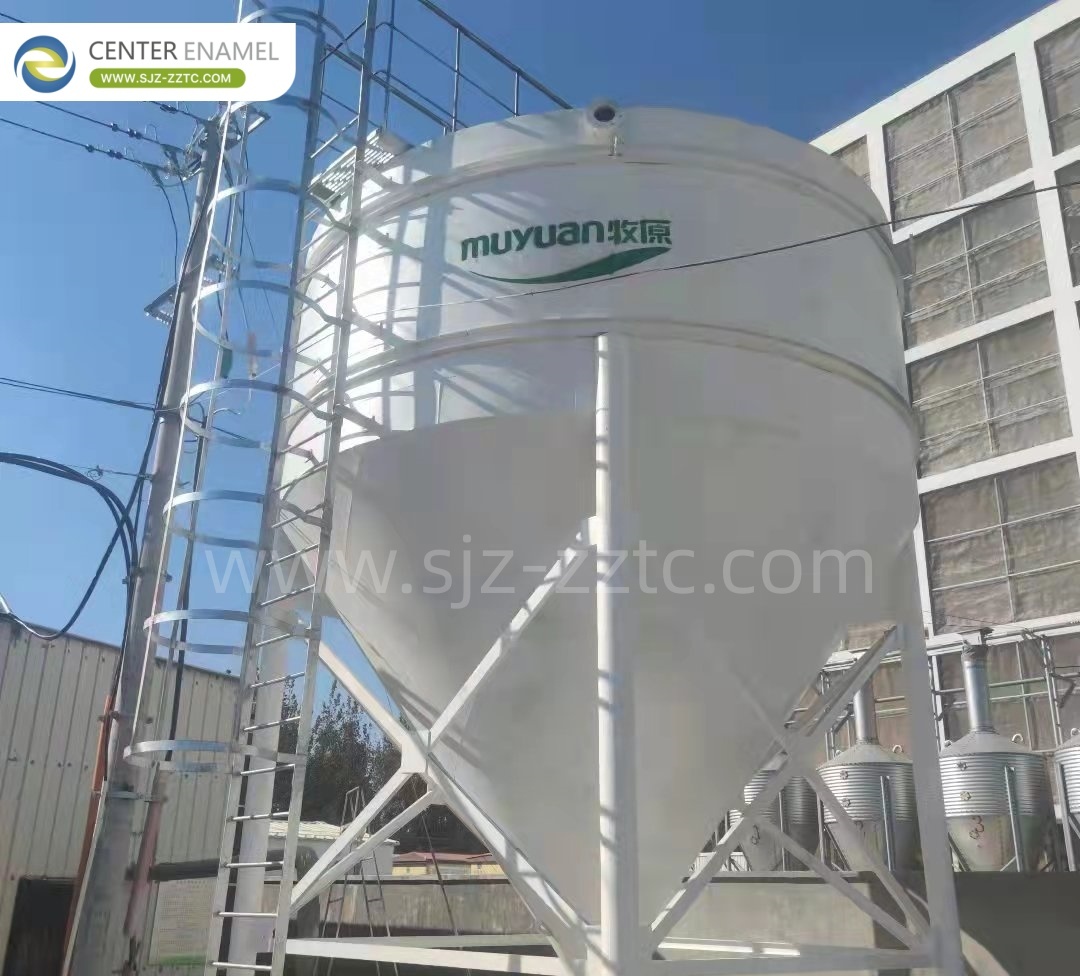
Leading Anaerobic Solutions for Nigeria POME: GFS Tanks and USR Process
| Place of Origin: | China |
| Brand Name: | CEC TANKS |
| Certification: | ISO 9001:2008, AWWA D103 , OSHA , BSCI |
| Model Number: | W |
| Minimum Order Quantity: | 1set |
| Price: | $5000~$20000 one set |
| Packaging Details: | PE poly-foam between each two steel plates ; wooden pallet and wooden |
| Delivery Time: | 10-30 days after deposit received |
| Payment Terms: | L/C,T/T |
| Supply Ability: | 60 sets per month |
|
Detail Information |
|||
| Place of Origin | China | Brand Name | CEC TANKS |
|---|---|---|---|
| Certification | ISO 9001:2008, AWWA D103 , OSHA , BSCI | Model Number | W |
| Tank Body Color: | Dark Green / Can Be Customized | Corrosion Integrity: | Excellent |
| Steel Plates Thickness: | 3mm To 12mm , Depends On The Tank Structure | Chemical Resistance: | Excellent |
| Size Of Panel: | 2.4M * 1.2M | Easy To Clean: | Smooth, Glossy, Inert, Anti-adhesion |
| Highlight: | Anaerobic wastewater treatment solutions,GFS tanks for POME,USR process Nigeria |
||
Product Description
Leading Anaerobic Solutions for Nigeria POME: GFS Tanks and USR Process
The palm oil sector is a vital component of Nigeria's agricultural landscape, yet the industrial processing of fresh fruit bunches yields significant amounts of Palm Oil Mill Effluent (POME). This wastewater is particularly challenging to treat due to its high temperature, acidic nature, and substantial concentration of organic pollutants, specifically high levels of Biological Oxygen Demand (BOD) and Chemical Oxygen Demand (COD). For palm oil mills across Nigeria, relying on conventional disposal methods or outdated pond systems creates serious ecological risks, including the degradation of local water sources and soil health. As the regulatory environment in Nigeria evolves to prioritize industrial sustainability, mill operators are urgently seeking advanced, compliant, and highly efficient treatment technologies to mitigate these environmental impacts and streamline their waste management operations.
The Strategic Advantage of Biogas Conversion
Transforming POME into biogas provides a transformative operational benefit for palm oil mills. Rather than viewing effluent as a burdensome waste stream that incurs high disposal costs, mills can convert it into a reliable source of renewable energy. Through the process of anaerobic digestion, organic-rich wastewater is converted into methane, which can then be utilized as a clean fuel source to generate electricity or heat for mill operations. This transition helps mills reduce their dependency on external fossil fuel-based power grids and promotes a circular economy, effectively turning a major environmental challenge into a sustainable economic asset that lowers the facility's carbon footprint.
Center Enamel: Professional Design for Anaerobic Projects
Center Enamel draws upon over 36 years of engineering expertise to deliver comprehensive anaerobic solutions specifically optimized for the unique demands of the palm oil industry. We understand that every mill operates under distinct conditions, which is why our approach emphasizes customized, site-specific system designs that focus on both exceptional structural longevity and maximum biogas production efficiency. Our team conducts rigorous analyses of your facility’s wastewater parameters, environmental conditions, and energy requirements to design a configuration that hits peak performance benchmarks. By combining high-performance materials with sophisticated biological processes, we empower Nigerian mills to achieve consistent, reliable operations while remaining in full compliance with both local environmental regulations and international safety protocols.
Advanced Wastewater Pretreatment
Prior to entering the anaerobic digestion phase, POME requires precise physical conditioning to ensure the protection of downstream components. Our integrated systems feature heavy-duty mechanical bar screens to effectively capture and remove large suspended solids and fibrous materials that could otherwise lead to system blockages. Furthermore, we utilize horizontal flow oil separators to extract excess free-floating grease and fats from the waste stream. These essential pretreatment steps create a stable, clean influent, which significantly alleviates the burden on primary treatment units and enhances the operational lifespan of the entire anaerobic system.
The USR Process
At the foundation of our anaerobic technology is the Upflow Solids Reactor (USR) process, which is specifically optimized to manage the complex, high-strength nature of POME, often characterized by Total Solids concentrations between 3% and 6%. Unlike standard digesters that can experience issues with thick effluent, the USR utilizes a controlled, uniform upflow distribution system to keep organic solids in active suspension. This ensures that microorganisms maintain continuous contact with the organic matter, maximizing decomposition rates, reducing downtime, and maintaining a high biogas yield even when dealing with variable incoming waste quality.
GFS Tanks and Double Membrane Roofs
Center Enamel stands as a premier manufacturer of Glass-Fused-to-Steel (GFS) tanks in Asia, representing the industry standard for secure, long-term biogas containment. These tanks are engineered to provide superior chemical and corrosion resistance, ensuring that the aggressive, acidic nature of POME does not compromise structural integrity. To further optimize storage, we pair these tanks with advanced double membrane roofs. This combination delivers an exceptionally space-efficient and cost-effective solution; the flexible membrane provides adjustable gas storage within a compact footprint, removing the need for massive, costly external gas holders. This durable, modular design is engineered to endure harsh weather conditions, providing decades of reliable, low-maintenance service for industrial applications.
Comprehensive Auxiliary Equipment
To ensure maximum efficiency, Center Enamel provides a robust suite of auxiliary equipment designed to support every phase of the biogas project:
Gas Holder: A flexible storage solution for the secure management and usage of produced biogas.
Lagoon/Black Membrane: An aerobic or anaerobic covering system designed for secondary treatment or volume management.
Hot Water Boiler: A thermal system that maintains optimal internal temperatures to promote microbial activity.
Emergency Torch System: A vital safety component for the controlled combustion of excess gas during maintenance or pressure spikes.
Lifting Pump: Precision equipment designed for the reliable transfer of wastewater and sludge across the plant.
Dehydration and Desulfurization Tank: An essential purification system that removes moisture and sulfur to protect downstream engines and improve energy quality.
Screw Sludge Dewatering Machine: A high-efficiency mechanical unit used to separate liquids and solids, reducing residual waste volumes.
Your One-Stop Partner for Nigerian Biogas Projects
Center Enamel serves as a comprehensive, one-stop solution provider dedicated to supporting the Nigerian palm oil market. We provide end-to-end support across the entire project lifecycle, encompassing everything from initial process design and engineering to specialized equipment manufacturing and full-scale EPC (Engineering, Procurement, and Construction) implementation. Our extensive technical experience and world-class GFS tank production ensure that Nigerian mills receive a seamless, high-quality solution that meets global standards and is delivered efficiently, allowing you to focus on your core production goals while we handle the complexities of your waste-to-energy infrastructure.
Conclusion
Modernizing POME treatment is a critical step for achieving long-term sustainability and competitiveness in the global palm oil market. By utilizing Center Enamel’s robust GFS tanks and our specialized USR anaerobic technology, your facility can convert significant environmental hurdles into profitable, clean-burning renewable energy. We remain fully committed to supporting Nigerian palm oil mills in implementing greener, high-efficiency systems that protect our shared environment and pave the way for a more reliable, energy-independent future for the industry.
Frequently Asked Questions
Q1: What is the primary operational advantage of the USR process in anaerobic digestion?
The USR is purpose-built to handle high-solid content (3%-6% TS). It utilizes a targeted upflow distribution mechanism that ensures steady mixing, which keeps solids in suspension and prevents the sludge accumulation that typically reduces the efficiency of standard reactors.
Q2: How does the construction of GFS tanks enhance their durability for biogas storage?
GFS technology fuses the mechanical strength of steel with the chemical resistance of glass. This factory-controlled manufacturing process creates a flawless, corrosion-proof surface that does not require field painting, making it exceptionally well-suited for the harsh environments inside biogas digesters.
Q3: How does Center Enamel ensure high quality in its industrial-scale projects?
With more than 36 years of experience, we support our projects with rigorous certifications such as NSF61 and EuroCode. We combine this technical rigor with a massive production capacity to deliver standardized, high-quality equipment that ensures long-term operational success for complex infrastructure worldwide.