
-
Glass Fused To Steel Tanks (596)
-
Stainless Steel Tanks (434)
-
Fusion Bonded Epoxy Tanks (592)
-
Galvanized Steel Tanks (321)
-
Aluminum Dome Roofs (1316)
-
Wastewater Storage Tanks (231)
-
Welded Steel Tanks (457)
-
Pressure Vessels (295)
-
Anaerobic Digester (201)
-
Industrial Water Tanks (349)
-
Glass Lined Steel Tanks (180)
-
Bolted Steel Tanks (390)
-
Sludge Storage Tank (115)
-
Biogas Storage Tank (173)
-
Leachate Storage Tanks (133)
-
Agricultural Water Storage Tanks (179)
-
Fire Water Tank (166)
-
Grain Storage Silos (146)
-
Biogas Projects (425)
-
Wastewater Treatment Projects (788)
-
Double Membrane Roof (223)

|
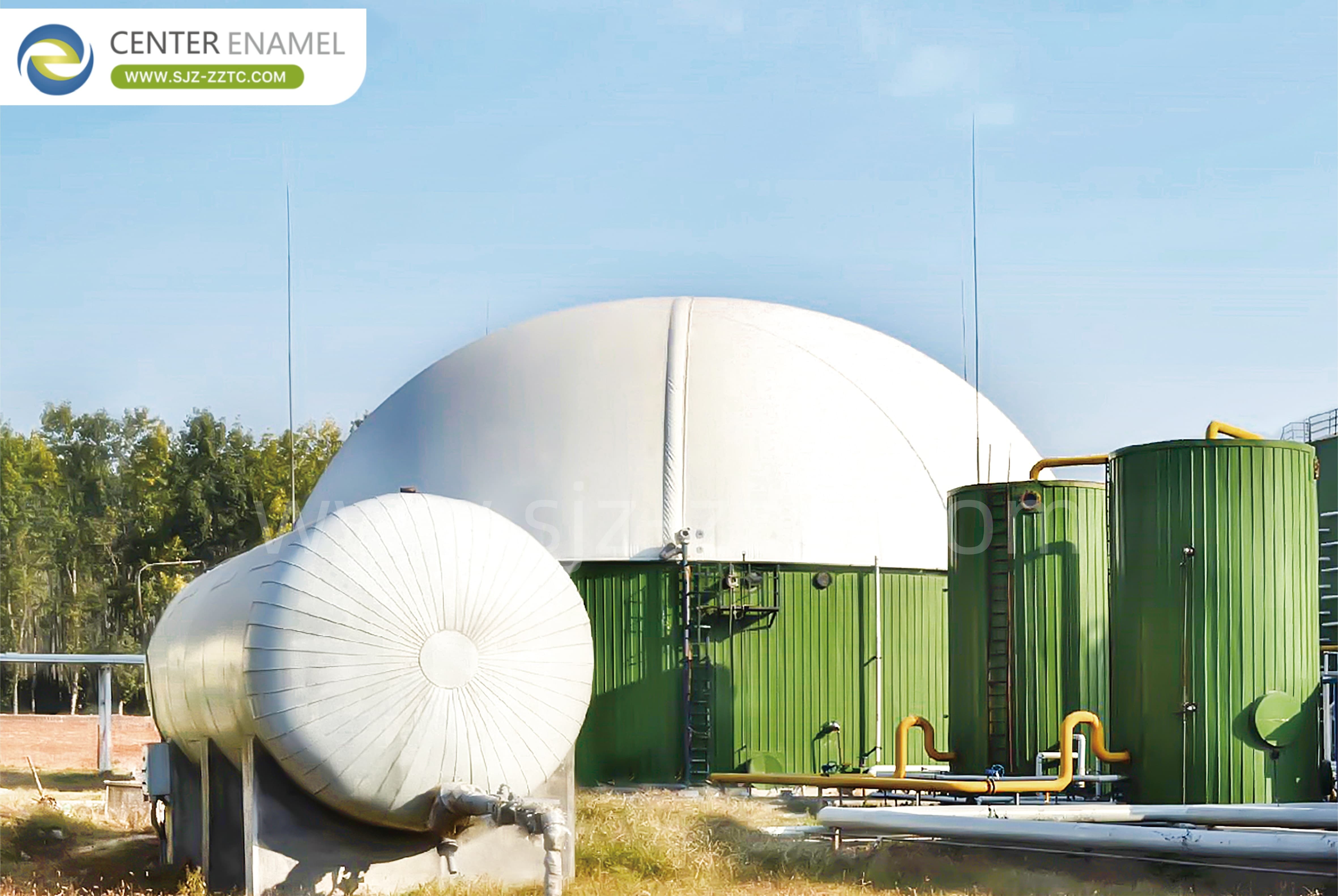
Sustainable Anaerobic Solutions for Textile Wastewater Treatment Projects in India
| Place of Origin: | China |
| Brand Name: | CEC TANKS |
| Certification: | ISO 9001:2008, AWWA D103 , OSHA , BSCI |
| Model Number: | W |
| Minimum Order Quantity: | 1set |
| Price: | $5000~$20000 one set |
| Packaging Details: | PE poly-foam between each two steel plates ; wooden pallet and wooden |
| Delivery Time: | 10-30 days after deposit received |
| Payment Terms: | L/C, T/T |
| Supply Ability: | 60 sets per month |
|
Detail Information |
|||
| Place of Origin | China | Brand Name | CEC TANKS |
|---|---|---|---|
| Certification | ISO 9001:2008, AWWA D103 , OSHA , BSCI | Model Number | W |
| Tank Body Color: | Dark Green / Can Be Customized | Corrosion Integrity: | Excellent |
| Steel Plates Thickness: | 3mm To 12mm , Depends On The Tank Structure | Chemical Resistance: | Excellent |
| Size Of Panel: | 2.4M * 1.2M | Easy To Clean: | Smooth, Glossy, Inert, Anti-adhesion |
| Highlight: | sustainable textile wastewater treatment,anaerobic wastewater treatment solutions,textile wastewater treatment projects India |
||
Product Description
Sustainable Anaerobic Solutions for Textile Wastewater Treatment Projects in India
As a global powerhouse in the fashion and garment sector, India’s textile industry is a cornerstone of the national economy. However, the environmental footprint of this growth is significant. To balance industrial expansion with ecological preservation, Center Enamel, a premier global EPC contractor, leverages cutting-edge anaerobic solutions and proprietary Glass-Fused-to-Steel (GFS) tanks to provide sustainable wastewater management for India’s textile producers.
The Landscape of the Indian Textile Industry
The Indian textile industry is one of the oldest and largest in the world, contributing significantly to the nation's GDP and export earnings. From traditional handlooms to massive automated spinning and dyeing mills, the sector is characterized by its vast scale and diversity. As the "Make in India" initiative continues to propel the manufacturing sector forward, the volume of industrial effluent has reached unprecedented levels, making sophisticated treatment infrastructure a necessity rather than an option.
Textile Wastewater Challenges and Regulatory Policy
Textile manufacturing is a water-intensive process, and the resulting wastewater is notoriously difficult to treat. In India, the Central Pollution Control Board (CPCB) and various State Pollution Control Boards (SPCBs) enforce stringent discharge standards. Many industrial hubs now mandate Zero Liquid Discharge (ZLD) to protect the nation’s dwindling freshwater resources.
The hazards of untreated textile effluent include:
High Chemical Complexity: Wastewater contains a cocktail of dyes, heavy metals, and toxic surfactants.
High COD and BOD: High levels of organic and chemical pollutants deplete oxygen in local water bodies.
Color Pollution: Persistent synthetic dyes block sunlight in rivers, disrupting aquatic photosynthesis and ecosystems.
Understanding Textile Wastewater: Sources and Hazards
Textile wastewater primarily originates from the "wet processing" stages, which include desizing, scouring, bleaching, mercerizing, and dyeing.
Desizing & Scouring: These stages release high concentrations of starch, waxes, and fats, contributing to high organic loading.
Dyeing & Printing: This is the most visible source of pollution, discharging unused synthetic dyes and mordants (like chromium) into the waste stream.
Cleaning Cycles: Frequent wash-downs and chemical switches result in fluctuating pH levels and high salinity.
Integrated Textile Wastewater Treatment Process
Center Enamel designs high-efficiency systems that combine mechanical, chemical, and biological stages to ensure compliance:
Pre-treatment: Utilizing mechanical screens and equalization tanks to stabilize flow and pH. Advanced primary treatments like coagulation and flocculation are often employed to remove bulk color and suspended solids.
Anaerobic Digestion: A critical stage where complex organic molecules (like sizing agents) are broken down by specialized bacteria in an oxygen-free environment, reducing the overall organic load while producing biogas.
Aerobic Post-treatment: Technologies such as Sequencing Batch Reactors (SBR) or Membrane Bioreactors (MBR) are used to further polish the effluent, removing residual nitrogen and fine particulates.
Advanced Oxidation & Recovery: For ZLD compliance, processes like Reverse Osmosis (RO) and evaporation allow for water recycling and salt recovery.
Core Anaerobic Technologies: CSTR, UASB, USR, and IC
Center Enamel selects the most effective anaerobic solutions based on the specific chemical profile of the textile effluent:
CSTR (Continuous Stirred Tank Reactor): Ideal for textile facilities that process natural fibers with high-solid residues. Its mechanical stirring ensures a homogeneous environment for maximum breakdown.
UASB (Upflow Anaerobic Sludge Blanket): A high-rate solution for liquid-phase wastewater. It uses a granular sludge blanket to achieve high COD removal within a compact footprint.
USR (Upflow Solids Reactor): Specifically designed for wastewater with higher suspended solids, ensuring long retention times for thorough digestion.
IC (Internal Circulation) Reactor: The next generation of high-efficiency treatment. The IC reactor allows for extremely high organic loading rates and superior stability, making it perfect for large-scale industrial textile parks.
The Foundation of Excellence: Glass-Fused-to-Steel (GFS) Tanks
Center Enamel utilizes proprietary GFS tanks as the primary vessels for its Textile Wastewater Treatment Projects. These tanks offer:
Exceptional Corrosion Resistance: The fusion of glass and steel creates an inert barrier immune to the aggressive dyes and cleaning chemicals used in textile processing.
Rapid Modular Installation: The bolted design allows for fast construction, minimizing operational downtime for busy Indian mills.
Climate Durability: Built to withstand India's diverse climates—from high-humidity coastal regions to intense heat—with a service life exceeding 30 years.
Why Choose Center Enamel as Your EPC Contractor?
As a specialized EPC contractor, Center Enamel provides a comprehensive, "one-stop" solution:
Tailored Engineering: Systems are precision-engineered to meet Indian "Standard A/B" or ZLD requirements.
Global Track Record: With projects in over 100 countries, we bring international technical expertise to the Indian market.
Full-System Integration: From GFS tanks to advanced IC reactors and control systems, we deliver seamless turnkey solutions.
Proven Success: Project Highlights
Case 1: Madagascar Textile Factory Wastewater Treatment Project
Tank Dimensions:
φ25.22*4.2 m (H) 1 unit
φ12.23*3.6 m (H) 1 unit
Total Volume: 2527 m³
Completion Time: 2024
Case 2:Tunisia Textile Wastewater Treatment Project
Tank Dimensions:
φ12.23*4.2 m (H) 1 unit
φ3.06*4.2 m (H) 1 unit
φ8.4*4.2 m (H) 1 unit
φ4.58*5.4 m (H) 1 unit
Total Volume: 846 m³
Completion Time: 2025
For textile producers in India, the transition toward sustainable manufacturing is no longer a choice—it is a competitive necessity. Center Enamel’s anaerobic solutions and GFS tanks provide a robust, cost-effective framework for managing complex effluents. By transforming hazardous wastewater into a resource for energy and recycled water, we help Indian manufacturers align their economic goals with world-class environmental stewardship, ensuring the industry’s long-term viability in a green global economy.


