-
Glass Fused To Steel Tanks (596)
-
Stainless Steel Tanks (434)
-
Fusion Bonded Epoxy Tanks (592)
-
Galvanized Steel Tanks (321)
-
Aluminum Dome Roofs (1316)
-
Wastewater Storage Tanks (231)
-
Welded Steel Tanks (457)
-
Pressure Vessels (295)
-
Anaerobic Digester (201)
-
Industrial Water Tanks (349)
-
Glass Lined Steel Tanks (180)
-
Bolted Steel Tanks (390)
-
Sludge Storage Tank (115)
-
Biogas Storage Tank (173)
-
Leachate Storage Tanks (133)
-
Agricultural Water Storage Tanks (179)
-
Fire Water Tank (166)
-
Grain Storage Silos (146)
-
Biogas Projects (425)
-
Wastewater Treatment Projects (788)
-
Double Membrane Roof (223)

|
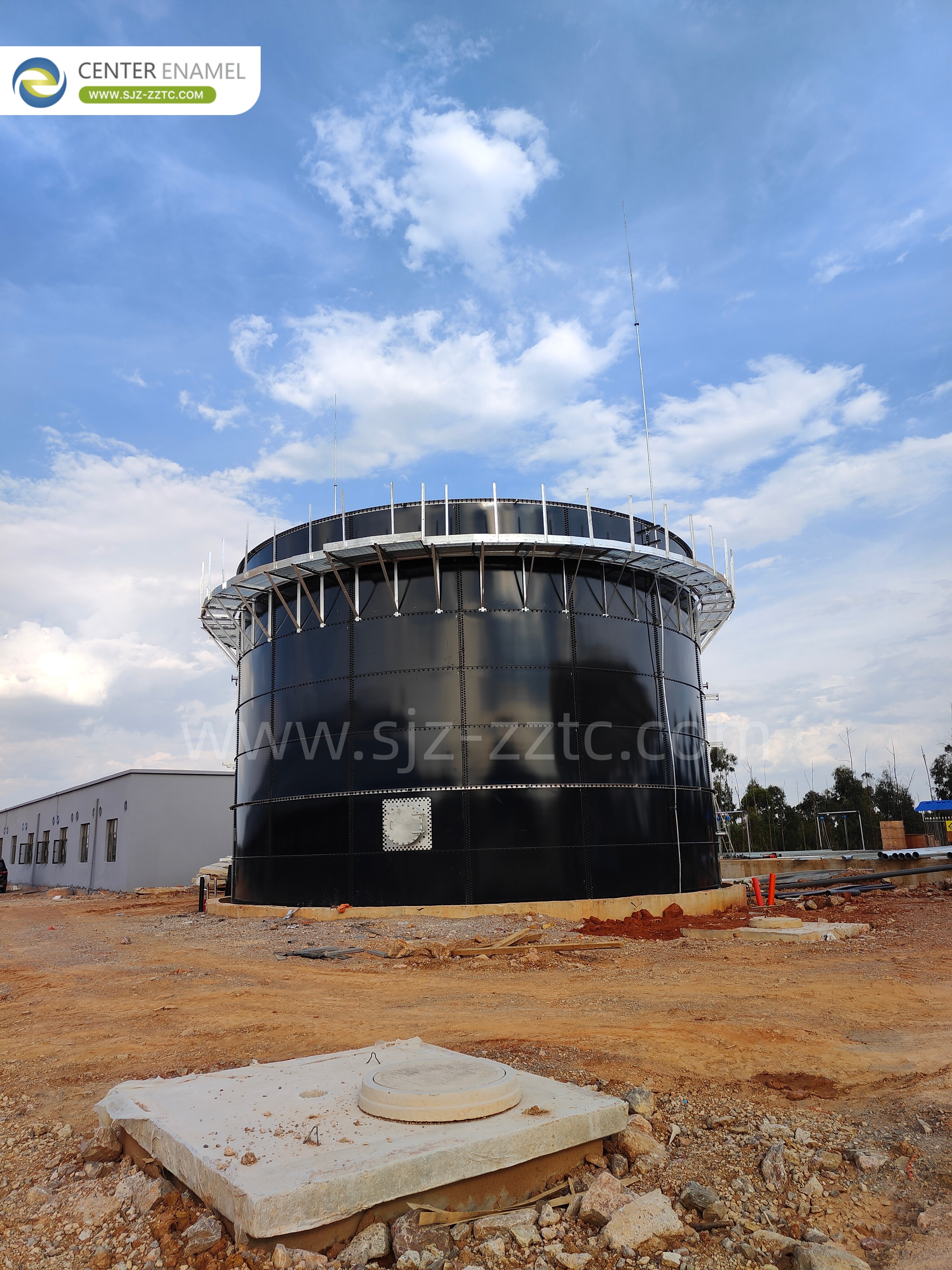
Sustainable Biogas Technology for Pakistan Pig Farm Wastewater Treatment Projects
| Place of Origin: | China |
| Brand Name: | CEC TANKS |
| Certification: | ISO 9001:2008, AWWA D103 , OSHA , BSCI |
| Model Number: | W201691123005 |
| Minimum Order Quantity: | 1set |
| Price: | $5000~$20000 one set |
| Packaging Details: | PE poly-foam between each two steel plates ; wooden pallet and wooden box |
| Delivery Time: | 0-60 days after deposit received |
| Payment Terms: | L/C, T/T |
| Supply Ability: | 60 sets per month |
|
Detail Information |
|||
| Place of Origin | China | Brand Name | CEC TANKS |
|---|---|---|---|
| Certification | ISO 9001:2008, AWWA D103 , OSHA , BSCI | Model Number | W201691123005 |
| Steel Plates Thickness: | 3mm To 12mm , Depends On The Tank Structure | Corrosion Integrity: | Excellent |
| Chemical Resistance: | Excellent | Capacity: | 20 M3 To 18,000 M3 |
| Service Life: | ≥30 Years | Permeability: | Gas / Liquid Impermeable |
| Highlight: | sustainable biogas wastewater treatment,pig farm biogas technology,Pakistan wastewater treatment projects |
||
Product Description
Sustainable Biogas Technology for Pakistan Pig Farm Wastewater Treatment Projects
As Pakistan’s agricultural landscape undergoes a shift toward more modernized and efficient waste management practices, the integration of Biogas Technology has emerged as a vital solution for livestock operators. For a pig farm Wastewater Treatment Project, the ability to convert organic effluent into renewable energy addresses critical energy shortages and environmental challenges. Center Enamel, a global leader in environmental engineering, leverages high-performance Glass-Fused-to-Steel (GFS) tanks and advanced anaerobic digestion solutions to provide turnkey waste-to-energy infrastructure.
The State of Pig Farm Wastewater in Pakistan
While livestock is a cornerstone of Pakistan's economy, specialized swine farming is an niche but growing sector concentrated in specific regions. As these operations modernize, the management of liquid waste has become a priority for sustainable development.
The Hazards of Untreated Wastewater: Raw pig farm effluent is highly concentrated with organic pollutants, high Chemical Oxygen Demand (COD), and pathogens. In the absence of proper treatment, this wastewater can seep into groundwater or runoff into local irrigation channels, causing severe water pollution and soil degradation. The release of untreated methane from waste lagoons also contributes significantly to greenhouse gas emissions.
The Advantages of Biogas Projects: Implementing a biogas-centered treatment system transforms an environmental liability into an "economical" energy source. By capturing methane, farms can generate electricity for onsite use, reducing reliance on the national grid. Additionally, the process produces a nutrient-rich organic fertilizer, supporting local crop production.
Understanding the Biogas Production Flow
Based on typical industrial-scale designs, the biogas production process is a streamlined sequence that converts raw waste into usable energy and purified water:
Waste Collection: Raw slurry and wash-water are collected in a centralized sump.
Pre-treatment: Utilizing Solid-Liquid Separators, heavy fibers and inorganic grit are removed to ensure a smooth flow into the reactors.
Anaerobic Digestion: The waste enters the GFS reactor tanks, where specialized microorganisms break down the organic matter in an oxygen-free environment.
Gas Purification: The produced gas is stored in double-membrane gas holders and passed through desulfurization systems to remove corrosive hydrogen sulfide ($H_2S$).
Energy Generation: The purified biogas is fed into a generator or boiler, providing clean energy for the farm.
Advanced Anaerobic Processes: CSTR, UASB, and USR
To maximize methane yield from various feedstocks, Center Enamel precision-engineers three core anaerobic technologies:
CSTR (Completely Stirred Tank Reactor): The premier choice for feedstocks with high solids content, such as concentrated pig manure. High-torque mechanical mixing ensures a homogeneous environment, maximizing microbial contact for high biogas yield.
UASB (Upflow Anaerobic Sludge Blanket): A high-rate process ideal for liquid-phase wastewater. Wastewater flows upward through a dense granular sludge blanket, allowing for rapid degradation of pollutants within a compact footprint.
USR (Upflow Solids Reactor): Specifically designed for high-concentration organic wastewater with significant suspended solids. It ensures a high solids retention time (SRT), making it highly efficient for thorough digestion.
The Superiority of GFS Tanks in Biogas Projects
In the demanding and corrosive environment of a pig farm, the choice of the digestion vessel is paramount. Glass-Fused-to-Steel (GFS) tanks offer several distinct advantages:
Exceptional Corrosion Resistance: The fusion of glass and steel creates an inert, non-porous barrier immune to the aggressive organic acids and ammonia generated during the digestion process.
Modular Efficiency: GFS tanks are bolted together on-site, allowing for rapid installation without the need for extensive welding or concrete curing. This significantly shortens the construction cycle for remote farm locations.
Durability and Longevity: Engineered for a service life of over 30 years, GFS tanks require minimal maintenance and can withstand the intense UV radiation and thermal fluctuations of the Pakistani climate.
Global Success Stories: Pig Farm Project Cases
Center Enamel's expertise is reflected in its diverse portfolio of successfully commissioned projects:
1. Beijing Pig Farm Wastewater Treatment Project
Installation Date: 2020
Daily Processing Capacity: 580 m³/day
Treatment Process: UASB + AOAO
2. Pig Farm Wastewater Treatment Project in Guangdong, China
Location: Guangdong, China
Process Flow: Pre-treatment + Ultrasonic Cleaning + AOAO
Processing Capacity: Submerged Manure Flushing: 300 m³/day
Conclusion
For farm operators in Pakistan, investing in Biogas Technology is a vital step toward operational sustainability and energy security. By combining the resilience of GFS tanks with precision-engineered anaerobic processes like CSTR, UASB, and USR, Center Enamel provides a comprehensive solution for transforming agricultural waste into a renewable future.