-
Glass Fused To Steel Tanks (596)
-
Stainless Steel Tanks (434)
-
Fusion Bonded Epoxy Tanks (592)
-
Galvanized Steel Tanks (321)
-
Aluminum Dome Roofs (1316)
-
Wastewater Storage Tanks (231)
-
Welded Steel Tanks (457)
-
Pressure Vessels (295)
-
Anaerobic Digester (201)
-
Industrial Water Tanks (349)
-
Glass Lined Steel Tanks (180)
-
Bolted Steel Tanks (390)
-
Sludge Storage Tank (115)
-
Biogas Storage Tank (173)
-
Leachate Storage Tanks (133)
-
Agricultural Water Storage Tanks (179)
-
Fire Water Tank (166)
-
Grain Storage Silos (146)
-
Biogas Projects (425)
-
Wastewater Treatment Projects (788)
-
Double Membrane Roof (223)

|
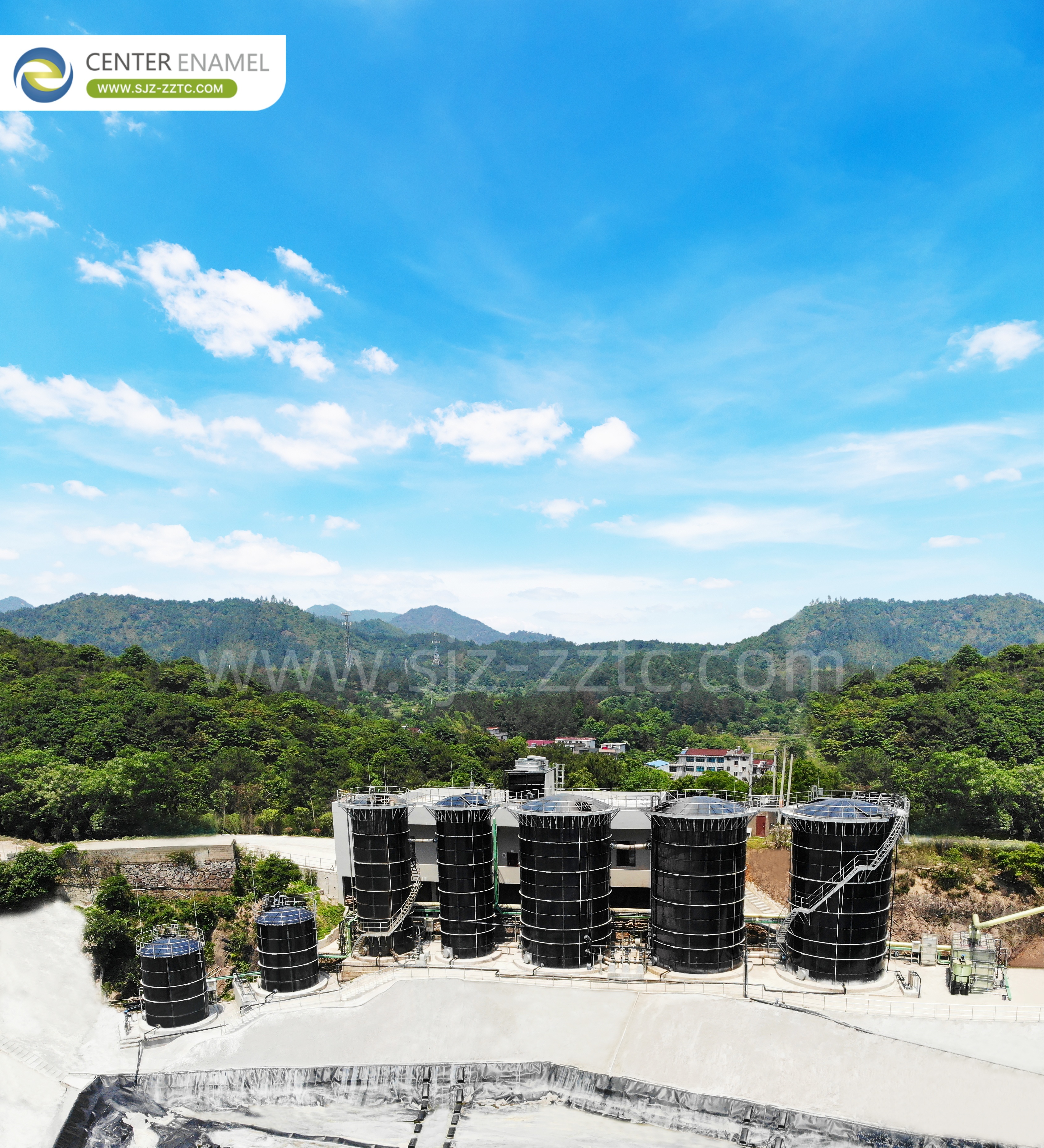
Advanced Biogas Solutions and CSTR Bioreactors for Cambodia Biogas Projects
| Place of Origin: | China |
| Brand Name: | CEC TANKS |
| Certification: | ISO 9001:2008, AWWA D103 , OSHA , BSCI |
| Model Number: | W201691123005 |
| Minimum Order Quantity: | 1set |
| Price: | $5000~$20000 one set |
| Packaging Details: | PE poly-foam between each two steel plates ; wooden pallet and wooden box |
| Delivery Time: | 0-60 days after deposit received |
| Payment Terms: | L/C, T/T |
| Supply Ability: | 60 sets per month |
|
Detail Information |
|||
| Place of Origin | China | Brand Name | CEC TANKS |
|---|---|---|---|
| Certification | ISO 9001:2008, AWWA D103 , OSHA , BSCI | Model Number | W201691123005 |
| Steel Plates Thickness: | 3mm To 12mm , Depends On The Tank Structure | Corrosion Integrity: | Excellent |
| Chemical Resistance: | Excellent | Capacity: | 20 M3 To 18,000 M3 |
| Service Life: | ≥30 Years | Permeability: | Gas / Liquid Impermeable |
| Highlight: | biogas solutions for Cambodia projects,CSTR bioreactors wastewater treatment,biogas wastewater treatment with warranty |
||
Product Description
Advanced Biogas Solutions and CSTR Bioreactors for Cambodia Biogas Projects
As Cambodia undergoes a rapid transition toward modern, intensive agricultural production, the country is increasingly prioritizing sustainable energy through innovative Biogas Technology. With the livestock sector—particularly poultry and swine farming—expanding to meet domestic protein demands, Cambodian agri-businesses have recognized that organic waste is a strategic asset for decentralized power generation. By implementing high-efficiency Biogas Solutions—centered around the CSTR Bioreactor and Glass-Fused-to-Steel (GFS) tanks—operators are transforming effluent into high-value renewable energy.
Biogas Development in Cambodia’s Livestock Sector
Cambodia’s poultry and livestock industries are key drivers of rural economic growth. However, the intensification of these operations generates significant volumes of high-strength wastewater rich in organic matter and ammonia. In alignment with the government's goals for rural electrification and environmental protection, more farms are replacing traditional disposal methods with sophisticated anaerobic digestion plants.
For Cambodian agricultural enterprises, selecting the right infrastructure is critical to ensure long-term ROI. The tropical climate and the corrosive nature of manure wastewater require reactors that offer exceptional durability. Center Enamel’s GFS tanks have become the premier technology choice, providing a corrosion-free and modular environment that ensures stable energy recovery and environmental compliance across the kingdom’s agricultural landscape.
Superior Advantages of Center Enamel GFS Tanks
In the demanding environment of biogas production, Center Enamel’s Glass-Fused-to-Steel (GFS) tanks stand out as the industry leader, offering distinct advantages:
Exceptional Corrosion Resistance: The fusion of glass and steel at temperatures exceeding 800°C creates an inert, non-porous barrier. This provides a chemical-resistant shield that is immune to the high ammonia levels and hydrogen sulfide ($H_2S$) generated during digestion, ensuring the tank remains structurally sound for decades.
Rapid and Simple Installation: The bolted modular design eliminates the need for complex on-site welding or extensive concrete curing. Standardized panels are manufactured in a controlled factory environment and assembled quickly on-site, making it an economical choice that significantly shortens the construction cycle in remote rural areas.
Extended Service Life: Engineered for durability, GFS tanks offer a service life of more than 30 years with minimal maintenance. Their resistance to UV radiation and thermal fluctuations ensures consistent performance even in harsh tropical conditions.
Advanced Anaerobic Processes: CSTR, UASB, and USR
To maximize methane yield from various feedstocks, Center Enamel’s solutions are precision-engineered to support core anaerobic technologies:
CSTR (Completely Stirred Tank Reactor): The premier choice for feedstocks with high solids content, such as animal manure or mixed organic waste. Utilizing high-torque mechanical mixing within our GFS tanks, the CSTR Bioreactor ensures a homogeneous environment, maximizing the contact between microbes and organic matter to ensure high biogas yield.
UASB (Upflow Anaerobic Sludge Blanket): A high-rate process ideal for the liquid fraction of wastewater with lower suspended solids. Organic pollutants are rapidly degraded as effluent flows upward through a dense granular sludge blanket, offering high treatment efficiency and a small footprint.
USR (Upflow Solids Reactor): Specifically designed for high-concentration organic wastewater with high suspended solids. The USR process ensures a high solids retention time, allowing for the thorough digestion of complex materials, making it an efficient option for large-scale livestock operations.
Comprehensive Biogas Equipment Solutions
Center Enamel provides fully integrated systems that transform organic waste into high-value renewable energy. Each piece of equipment is engineered for durability and efficiency:
Glass-Fused-to-Steel (GFS) Tanks: The core of the biogas plant, these tanks serve as high-performance anaerobic digesters. They combine the strength of steel with the superior corrosion resistance of glass, making them immune to the aggressive organic acids and ammonia found in farm wastewater.
Biogas Holders (Double-Membrane Gas Caps): Integrated directly onto the GFS tanks, these holders consist of a high-strength, gas-tight membrane. They provide safe, flexible storage for the methane produced, maintaining stable gas pressure for downstream utilization.
Desulfurization Systems: Crucial for gas quality, these units remove hydrogen sulfide (H₂S) from the raw biogas. This prevents corrosion in the CHP units and gas engines, ensuring a long service life for the power generation infrastructure.Biogas
Flare Systems: A vital safety component used to safely burn off excess biogas during maintenance or emergency pressure build-up, preventing the direct release of methane into the atmosphere.
Solid-Liquid Separators: These units are used in the pre-treatment stage to filter out inorganic grit and heavy fibers, ensuring the anaerobic reactor operates with optimal organic load and zero sedimentation.
Heat Exchangers & Mixers: Internal systems that maintain the required mesophilic or thermophilic temperatures and ensure a homogeneous environment inside the reactor, maximizing the microbial digestion rate and gas yield.
Center Enamel continues to lead the industry by providing these precision-engineered modular solutions, enabling agricultural and industrial operators worldwide to achieve efficient, decentralized energy independence.
Proven Performance: Global Success Stories
1. POME Biogas Project in Indonesia
Application: Anaerobic reactors at a Palm Oil Mill Effluent (POME) treatment plant.
System Details: 3 sets of GFS tanks (Models: Ø17.588.4m and Ø16.827.2m).
Performance: These reactors handle some of the most aggressive organic wastewater in the world, providing stable, leak-proof performance in a demanding tropical environment.
Installation Date: 2013.
2. Biogas Project in Henan
Handling Capacity: 650 tons/day of farm animal manure and washing wastewater.
Technology: Medium temperature anaerobic fermentation using the CSTR process.
Highlight: This large-scale facility showcases the reliability of our CSTR bioreactors in stabilizing heavy organic loads and facilitating the microbial conversion of waste into renewable biogas.
Installation Date: 2013.
Conclusion
For farm operators in Cambodia and across the globe, the transition to sustainable Biogas Solutions is both an environmental responsibility and an economical opportunity. By combining the resilience of GFS tanks with the efficiency of CSTR Bioreactors, Center Enamel provides a comprehensive solution for agricultural energy independence. With over 30 years of experience and projects in more than 100 countries, Center Enamel (Zhengzhong Technology) is dedicated to helping farms turn organic waste into a sustainable energy future.