-
Glass Fused To Steel Tanks (596)
-
Stainless Steel Tanks (434)
-
Fusion Bonded Epoxy Tanks (592)
-
Galvanized Steel Tanks (321)
-
Aluminum Dome Roofs (1316)
-
Wastewater Storage Tanks (231)
-
Welded Steel Tanks (457)
-
Pressure Vessels (295)
-
Anaerobic Digester (201)
-
Industrial Water Tanks (349)
-
Glass Lined Steel Tanks (180)
-
Bolted Steel Tanks (390)
-
Sludge Storage Tank (115)
-
Biogas Storage Tank (173)
-
Leachate Storage Tanks (133)
-
Agricultural Water Storage Tanks (179)
-
Fire Water Tank (166)
-
Grain Storage Silos (146)
-
Biogas Projects (425)
-
Wastewater Treatment Projects (788)
-
Double Membrane Roof (223)


|
External Floating Roof for Carbon Steel Fuel Storage Tank: Cost-Effective Vapor Control for Large-Scale Fuel Depots
| Place of Origin: | China |
| Brand Name: | CEC TANKS |
| Certification: | ISO 9001:2008, AWWA D103 , OSHA , BSCI |
| Model Number: | W |
| Minimum Order Quantity: | 1set |
| Price: | $5000~$20000 one set |
| Packaging Details: | PE poly-foam between each two steel plates ; wooden pallet and wooden |
| Delivery Time: | 10-30 days after deposit received |
| Payment Terms: | L/C, T/T |
| Supply Ability: | 60 sets per month |
|
Detail Information |
|||
| Place of Origin | China | Brand Name | CEC TANKS |
|---|---|---|---|
| Certification | ISO 9001:2008, AWWA D103 , OSHA , BSCI | Model Number | W |
| Corrosion Resistance: | Suitable For Waste Water Salt Water, Sea Water, High Sulfur Crude Oil, Salt Fox, Organic And Inorganic Compounds | Elastic: | Same As Steel Sheet |
| Tank Body Color: | Customized Design | Coating Thickness: | Customized |
| Foundation: | Concrete | Steel Grade: | Stainless Steel |
| Highlight: | external floating roof fuel storage tank,carbon steel fuel tank vapor control,welded steel tank cost-effective solution |
||
Product Description
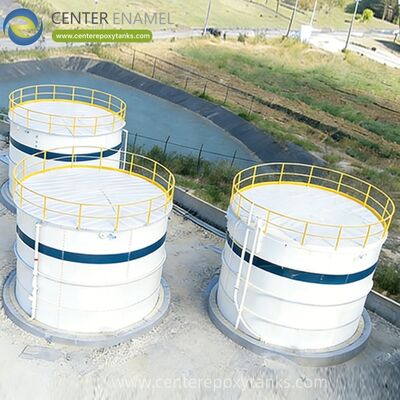
External Floating Roof for Carbon Steel Fuel Storage Tank: Cost-Effective Vapor Control for Large-Scale Fuel Depots
In the massive landscape of regional fuel depots and terminal operations, carbon steel has long been the primary material for bulk liquid storage due to its structural strength and initial cost-effectiveness. However, the high volatility of stored fuels in these large-scale environments necessitates a sophisticated approach to emission control to prevent both financial loss and environmental penalties. The External Floating Roof for Welded Stainless Steel and Carbon Steel Fuel Storage Tanks offers a cost-effective vapor control solution for large-scale fuel depots. By integrating a high-precision floating deck within the vessel, this system ensures that volatile organic compounds are contained. When paired with a welded stainless steel seal interface and an Aluminum Dome Roof, it provides a durable, low-maintenance upgrade to traditional steel storage.
Optimizing Large-Scale Storage for Vapor Retention
Large-scale fuel depots manage vast surface areas of liquid, which are highly susceptible to evaporation. As ambient temperatures rise, the air in the tank's headspace expands, forcing fuel vapors out into the atmosphere. The external floating roof addresses this by resting directly on the fuel surface, effectively eliminating the vapor space where these losses occur.
To overcome the common issue of internal corrosion found in carbon steel tanks, many modern facilities utilize welded stainless steel for the internal shell plate where the floating roof seals make contact. This hybrid approach prevents the formation of rust scales that can damage flexible seals and create leak paths. By ensuring a smooth, non-corrosive contact point, the system provides cost-effective vapor control that remains efficient for decades. This configuration allows operators to benefit from the structural economy of carbon steel while achieving the emission standards of a premium stainless steel system.
The Shielding Power of Aluminum Dome Roofs
To protect the massive floating roof and the primary storage vessel from the elements, an Aluminum Dome Roof is utilized as the primary external cover. For large-scale depots, the geodesic dome is the ideal choice because it can span large diameters without the need for internal support columns.
A major advantage of the Aluminum Dome Roof is its ability to provide a weather-tight environment that prevents rainwater from accumulating on the floating deck, which could otherwise compromise buoyancy. Because the dome is self-supporting, it eliminates the need for internal pillars that would typically penetrate the floating roof. This design ensures that the welded stainless steel and carbon steel vessel remains a closed system, further suppressing the "breathing" losses driven by wind and temperature fluctuations. Additionally, the reflective surface of the aluminum helps maintain a cooler internal temperature, reducing the vapor pressure of the stored fuel.
Durability and Long-Term Value
The combination of a carbon steel structure with welded stainless steel internal components and an aluminum dome offers a solution with an excellent balance of capital cost and operational longevity. Welded stainless steel components do not require internal epoxy linings in the seal zone, reducing the risk of product contamination. The Aluminum Dome Roof is naturally resistant to corrosion and never requires periodic painting or sandblasting, ensuring that the large-scale depot remains operational with minimal maintenance-related downtime.
This integrated system also enhances site safety. The conductive aluminum dome protects the massive asset from lightning strikes, while the floating roof ensures that no flammable vapor accumulation occurs within the primary vessel. The structural simplicity of the column-free design also facilitates safer and more efficient inspections, as technicians can easily monitor the condition of the seals across the entire diameter of the tank.
Conclusion
In the bulk fuel distribution industry, the quality of storage infrastructure is a direct driver of economic efficiency and environmental compliance. External Floating Roofs for Carbon Steel and Welded Stainless Steel Fuel Storage Tanks provide the most effective barrier against product loss and hazardous emissions. By prioritizing a design that offers cost-effective vapor control, operators protect their bottom line and ensure the safety of their large-scale depots. When these systems are reinforced with the maintenance-free protection of an Aluminum Dome Roof, they represent a world-class solution that balances safety, durability, and performance.