-
Glass Fused To Steel Tanks (596)
-
Stainless Steel Tanks (434)
-
Fusion Bonded Epoxy Tanks (592)
-
Galvanized Steel Tanks (321)
-
Aluminum Dome Roofs (1316)
-
Wastewater Storage Tanks (231)
-
Welded Steel Tanks (457)
-
Pressure Vessels (295)
-
Anaerobic Digester (201)
-
Industrial Water Tanks (349)
-
Glass Lined Steel Tanks (180)
-
Bolted Steel Tanks (390)
-
Sludge Storage Tank (115)
-
Biogas Storage Tank (173)
-
Leachate Storage Tanks (133)
-
Agricultural Water Storage Tanks (179)
-
Fire Water Tank (166)
-
Grain Storage Silos (146)
-
Biogas Projects (425)
-
Wastewater Treatment Projects (788)
-
Double Membrane Roof (223)

|
Floating Roof for Welded Stainless Steel Vegetable Oil Storage Tank: Prevents Spoilage and Odor Release while Protecting the Oil from External Pollutants
| Brand Name: | Shijiazhuang Zhengzhong Technology Co., Ltd (Center Enamel) |
|
Detail Information |
|||
Product Description
Floating Roof for Welded Stainless Steel Vegetable Oil Storage Tank: Prevents Spoilage and Odor Release while Protecting the Oil from External Pollutants
The storage of bulk vegetable oils—such as soybean, palm, sunflower, and rapeseed oil—requires a sophisticated approach to quality preservation. Unlike mineral oils, vegetable oils are organic substances highly susceptible to oxidative rancidity, which can lead to off-flavors, increased acidity, and total product spoilage. The Floating Roof for Welded Stainless Steel Vegetable Oil Storage Tanks is a premier solution for the food and beverage industry. This system prevents spoilage and odor release while protecting the oil from external pollutants by ensuring the oil surface remains isolated from the atmosphere. When integrated with a welded stainless steel shell and an Aluminum Dome Roof, it provides a sanitary, temperature-stable environment that meets the highest food safety standards.
Preserving Freshness through Oxidative Control
Oxidation is the primary cause of vegetable oil spoilage. When the unsaturated fatty acids in the oil are exposed to atmospheric oxygen, a chemical reaction occurs that produces peroxides and aldehydes, resulting in a rancid smell and taste. This process is accelerated by the presence of a large air headspace in traditional storage tanks. The internal floating roof addresses this by resting directly on the liquid surface.
By moving up and down with the oil level, the floating roof eliminates the air-liquid interface. This mechanical barrier prevents spoilage by drastically reducing the surface area exposed to oxygen. Furthermore, it prevents odor release, a common concern in facilities located near residential areas, by trapping the organic volatiles beneath the deck. The use of welded stainless steel for the tank shell is mandatory in this application. Stainless steel is non-reactive and easy to sanitize, ensuring that no metallic contaminants or previous batch residues trigger the oxidation process. This combination ensures the oil retains its nutritional profile and sensory quality for an extended shelf life.
Enhanced Protection with Aluminum Dome Roofs
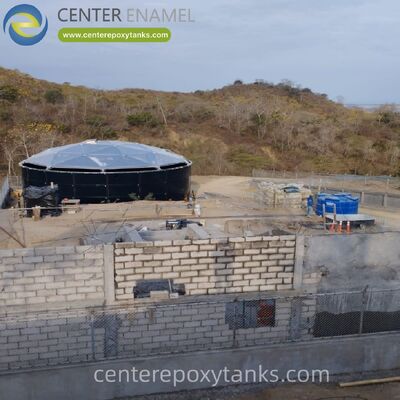
In modern food processing facilities, the external environment must be strictly managed to prevent contamination and thermal stress. The Aluminum Dome Roof has become the preferred choice for a secondary cover. The dome provides a clear-span, weather-tight shield that protects the internal floating roof and the oil from rain, bird droppings, and wind-borne dust—all of which are potential sources of microbial contamination.
A decisive advantage of the Aluminum Dome Roof is its column-free design. Traditional fixed roofs require internal support pillars that must penetrate the floating roof. In a food-grade environment, these columns are problematic; they create hard-to-clean areas where oil can collect and turn rancid, and the penetration points offer paths for pollutants to reach the product. By utilizing a geodesic aluminum dome, the interior of the welded stainless steel tank remains completely unobstructed. This allow the floating roof to provide a 100% effective seal. Additionally, the reflective properties of the aluminum dome help maintain a stable, cool internal temperature, which is essential for slowing the chemical degradation of the vegetable oil.
Food-Grade Standards and Maintenance Efficiency
The combination of welded stainless steel and an aluminum dome offers a solution that balances hygiene with durability. Welded stainless steel provides a naturally smooth, non-porous surface that resists the buildup of biofilms and does not require internal coatings that could flake off and contaminate the food supply. The Aluminum Dome Roof is naturally resistant to corrosion and does not require periodic painting, which is a major advantage in food-safe zones where paint chips and chemical fumes must be avoided.
This integrated system also facilitates easier and more effective cleaning-in-place operations. The structural simplicity of the column-free dome allows for the installation of high-efficiency spray balls that can reach every internal surface. This reliability ensures that the facility can maintain the highest hygiene standards with minimal downtime. The lightweight nature of the aluminum dome also improves the seismic resilience of the tank, protecting the high-value food inventory from structural failure during environmental stress.
Application Areas
The need for absolute purity and odor control makes these systems essential for:
Edible Oil Refineries: Managing high volumes of refined oil before packaging.
Food Processing Plants: Storing bulk ingredients for snacks, dressings, and baked goods.
Biodiesel Feedstock Facilities: Protecting vegetable oils used for renewable energy.
Coastal Import Terminals: Where welded stainless steel and Aluminum Dome Roofs protect against salt-air corrosion while maintaining food safety.
Company Advantage and Comprehensive Service
Center Enamel is a global leader in providing high-performance industrial containment for the food and beverage sector. Our approach to Floating Roofs for Welded Stainless Steel Vegetable Oil Storage Tanks is defined by technical precision and hygiene leadership:
Sanitary-Grade Engineering: We design floating roof systems specifically to eliminate oxidation and prevent contamination in edible oil environments.
Advanced Material Standards: We utilize precision-welded stainless steel and high-grade aluminum alloys to ensure a seamless, food-safe storage environment.
Global Technical Support: We provide expert technical supervision for the installation of floating roofs, tank shells, and Aluminum Dome Roofs worldwide, ensuring absolute reliability for food infrastructure.
Conclusion
In the competitive food industry, the quality of storage infrastructure is a direct reflection of a brand's commitment to product excellence. Floating Roofs for Welded Stainless Steel Vegetable Oil Storage Tanks provide the most effective barrier against spoilage and external pollutants. By prioritizing a design that prevents rancidity and odor release, operators protect their assets and the health of the consumer. When these systems are reinforced with the maintenance-free protection of an Aluminum Dome Roof, they represent a world-class solution that balances hygiene, durability, and performance.