-
Glass Fused To Steel Tanks (596)
-
Stainless Steel Tanks (434)
-
Fusion Bonded Epoxy Tanks (592)
-
Galvanized Steel Tanks (321)
-
Aluminum Dome Roofs (1336)
-
Wastewater Storage Tanks (232)
-
Welded Steel Tanks (457)
-
Pressure Vessels (295)
-
Anaerobic Digester (201)
-
Industrial Water Tanks (349)
-
Glass Lined Steel Tanks (180)
-
Bolted Steel Tanks (389)
-
Sludge Storage Tank (115)
-
Biogas Storage Tank (173)
-
Leachate Storage Tanks (133)
-
Agricultural Water Storage Tanks (179)
-
Fire Water Tank (166)
-
Grain Storage Silos (146)
-
Biogas Projects (425)
-
Wastewater Treatment Projects (938)
-
Double Membrane Roof (223)
|
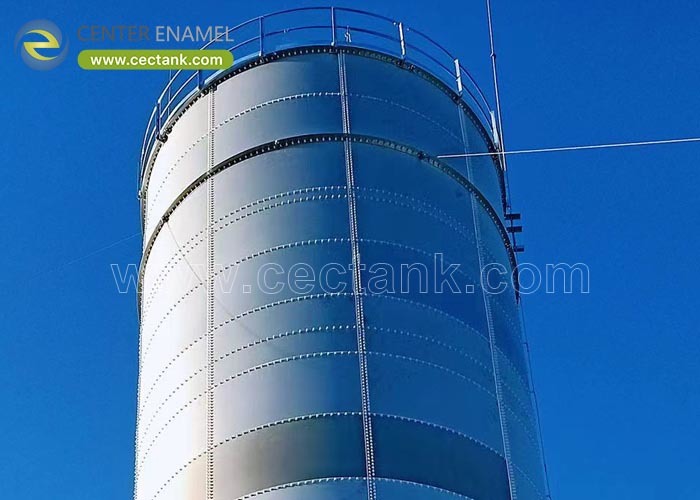
Stainless Steel Feed Storage Silos: Ensuring Nutritional Integrity and Long-Term Durability
| Place of Origin: | China |
| Brand Name: | CEC TANKS |
| Certification: | ISO 9001:2008, AWWA D103 , OSHA , BSCI |
| Model Number: | W |
| Minimum Order Quantity: | 1set |
| Price: | $5000~$20000 one set |
| Packaging Details: | PE poly-foam between each two steel plates ; wooden pallet and wooden |
| Delivery Time: | 10-30 days after deposit received |
| Payment Terms: | L/C,T/T |
| Supply Ability: | 60 sets per month |
|
Detail Information |
|||
Product Description
Stainless Steel Feed Storage Silos: Ensuring Nutritional Integrity and Long-Term Durability
In modern agriculture and industrial feed processing, the quality of stored feed directly impacts livestock health and operational profitability. As operations scale and safety regulations become more stringent, stainless steel feed storage silos have become the preferred infrastructure for high-purity, long-term storage.
Unlike traditional materials like carbon steel or concrete, stainless steel provides an inert, hygienic, and highly durable environment that protects feed from contamination, moisture, and chemical degradation.
Why Stainless Steel is the Gold Standard for Feed Storage
Feed is a sensitive commodity. High-moisture grains, concentrates, and specialized premixes can easily degrade if stored in environments that promote mold or chemical leaching. Stainless steel eliminates these risks through superior material properties:
-
Exceptional Hygienic Surface: Stainless steel (typically SS304 or SS316L) is non-porous and ultra-smooth. It prevents the adherence of dust, mold, and biofilms—the primary causes of cross-contamination in animal feed.
-
Corrosion Resistance: Agricultural environments are often humid or acidic. Stainless steel forms a self-passivating chromium oxide layer, making it naturally resistant to rust and atmospheric corrosion, ensuring a lifespan of 30+ years without the need for toxic protective coatings.
-
No Leaching: Food-grade stainless steel is biologically inert. It does not leach chemicals into the feed, which is critical for maintaining the nutritional value and safety of specialized feeds and supplements.
Technical Comparison: Feed Storage Solutions
When evaluating the Total Cost of Ownership (TCO), stainless steel offers unmatched reliability despite a higher initial investment compared to legacy materials.
| Feature | Stainless Steel | Carbon Steel (Coated) | Poured Concrete |
| Hygiene | Superior (Non-Porous) | Low (Rust-prone) | Low (Porous) |
| Corrosion Resistance | High (Natural) | Low (Needs Painting) | Moderate (Needs Sealing) |
| Maintenance | Minimal | High (Repainting) | High (Crack Repair) |
| Asset Lifecycle | 30–50+ Years | 20–30 Years | 20–30 Years |
| Structural Integrity | Excellent (Ductile) | Moderate | Low (Brittle) |
Engineered for Compliance and Performance
For commercial feed mills and large-scale agricultural operations, infrastructure must meet rigorous standards. Stainless steel silos provide:
-
Food-Grade Compliance: Ideal for applications requiring HACCP compliance and strict adherence to food safety protocols.
-
Structural Versatility: Engineered to withstand local seismic activity, wind loads, and internal pressures, ensuring your storage remains secure in extreme weather.
-
Smart Integration: Stainless steel fabrication allows for easy integration of sensors, automated monitoring systems, and advanced discharge mechanisms, supporting the transition to automated, smart-farming operations.
Frequently Asked Questions (FAQ)
Q: Are stainless steel silos suitable for all types of feed?
A: Yes. Stainless steel is compatible with almost all types of granular, pelletized, and high-moisture feeds. For highly acidic silage or specific corrosive additives, we recommend SS316L for its increased chemical resistance.
Q: Is a stainless steel silo harder to install than other types?
A: Stainless steel silos are typically modular, which simplifies transportation and on-site assembly. While the material is premium, modern fabrication techniques allow for fast, efficient erection that is cleaner than concrete and more precise than field-welded carbon steel.
Q: Does stainless steel require any specialized maintenance?
A: Minimal. While it does not require painting or rust remediation, periodic cleaning—especially in high-dust environments—is recommended to maintain the exterior aesthetics and inspect discharge mechanisms.
Q: How do stainless steel silos handle temperature fluctuations?
A: Stainless steel has excellent thermal properties and structural ductility. It does not become brittle in extreme cold or lose structural integrity in high heat, making it a reliable choice for diverse climate zones.
Partnering with Center Enamel
Center Enamel leverages over 30 years of experience in environmental protection and storage engineering to deliver high-performance silo solutions. Whether your operation requires stainless steel for high-purity applications or our industry-leading Glass-Fused-to-Steel (GFS) technology for broad-scale agricultural use, we provide the technical expertise to ensure your infrastructure supports your growth.
Ready to upgrade your feed storage? Contact our engineering team to discuss your capacity, material handling, and compliance requirements.