-
Glass Fused To Steel Tanks (596)
-
Stainless Steel Tanks (434)
-
Fusion Bonded Epoxy Tanks (592)
-
Galvanized Steel Tanks (321)
-
Aluminum Dome Roofs (1336)
-
Wastewater Storage Tanks (232)
-
Welded Steel Tanks (457)
-
Pressure Vessels (295)
-
Anaerobic Digester (201)
-
Industrial Water Tanks (349)
-
Glass Lined Steel Tanks (180)
-
Bolted Steel Tanks (389)
-
Sludge Storage Tank (115)
-
Biogas Storage Tank (173)
-
Leachate Storage Tanks (133)
-
Agricultural Water Storage Tanks (179)
-
Fire Water Tank (166)
-
Grain Storage Silos (146)
-
Biogas Projects (425)
-
Wastewater Treatment Projects (908)
-
Double Membrane Roof (223)

|
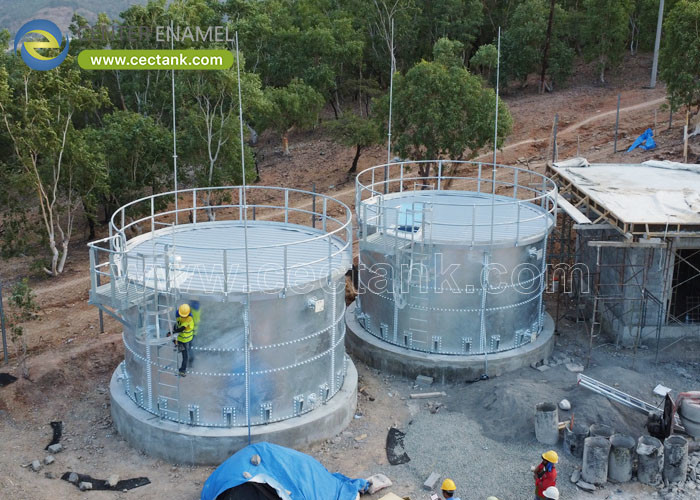
Galvanized Tanks: The Essential Solution for Reliable Rainwater Storage
| Place of Origin: | China |
| Brand Name: | CEC TANKS |
| Certification: | ISO 9001:2008, AWWA D103 , OSHA , BSCI |
| Model Number: | W20161227002 |
| Minimum Order Quantity: | 1set |
| Price: | $5000~$20000 one set |
| Packaging Details: | PE poly-foam between each two steel plates ; wooden pallet and wooden box |
| Delivery Time: | 0-60 days after deposit received |
| Payment Terms: | L/C,T/T |
| Supply Ability: | 60 sets per month |
|
Detail Information |
|||
| Place of Origin | China | Brand Name | CEC TANKS |
|---|---|---|---|
| Certification | ISO 9001:2008, AWWA D103 , OSHA , BSCI | Model Number | W20161227002 |
| Holiday Test: | >1500v | Tank Body Color: | Dark Green / Can Be Customized |
| Foundation: | Concrete | Steel Plates Thickness: | 3mm To 12mm , Depends On The Tank Structure |
| Roof Available: | Glass Fused Steel Roof , Membrane Roof, Aluminum Roof , GRP Roof | Highlight: | galvanized steel water tanks,rainwater storage tanks,galvanized steel storage tanks |
Product Description
In an era of increasing water scarcity and shifting environmental priorities, rainwater harvesting has moved from a niche practice to a cornerstone of sustainable property management. Whether for municipal, agricultural, or residential use, the container you choose to store your water defines the efficiency and longevity of your system.
Galvanized steel tanks have long been the industry standard for large-scale water containment. By combining the immense structural strength of steel with the corrosion-resistant properties of zinc, these tanks offer a durable, cost-effective, and environmentally sound solution for securing your water supply.
For decades, galvanized tanks have served as the "backbone" of rural and industrial water systems. Their endurance is rooted in a simple but highly effective engineering process: hot-dip galvanization. By coating high-strength steel in a thick layer of zinc, manufacturers create a barrier that is chemically resistant to oxidation and environmental wear.
-
Superior Structural Strength: Unlike plastic or fiberglass, galvanized steel does not warp, bulge, or soften under extreme heat. It retains its shape and structural integrity, regardless of how much water volume is held inside.
-
Fire Resistance: In bushfire-prone areas, water security is non-negotiable. Metal tanks can withstand radiant heat and ember attacks, ensuring that you have a vital fire-fighting water source available when you need it most.
-
Longevity: With proper installation—and the use of modern, high-grade food-safe liners—galvanized tanks are built to last for decades, often outperforming synthetic alternatives in terms of total lifecycle value.
-
Sustainability: Steel is one of the most recycled materials on earth. At the end of its long service life, a galvanized tank can be fully recycled, making it a circular, eco-conscious choice.
A modern galvanized rainwater tank is not just a metal sheet; it is an engineered system. To ensure water purity and prevent rust, high-quality galvanized tanks utilize a multi-layered design.
-
The Steel Substrate: High-tensile steel provides the backbone, allowing for massive capacities that modular plastic tanks struggle to match.
-
The Galvanized Coating: The zinc coating provides sacrificial protection, preventing the steel from rusting even if the surface is scratched.
-
The Food-Grade Liner: This is the most critical update to modern tanks. A flexible, food-safe poly liner isolates the water from the steel shell. This prevents the metallic taste associated with older-generation tanks, stops zinc leaching, and serves as an extra layer of defense against leaks.
Choosing the right storage medium depends on your specific site constraints and long-term goals. The following table compares galvanized steel with polyethylene (poly) tanks:
| Feature | Galvanized Steel Tanks | Polyethylene (Poly) Tanks |
|---|---|---|
| Durability | Excellent (High impact resistance) | Moderate (Can degrade under UV) |
| Fire Resistance | High | Low (Can melt/warp) |
| Capacity | High (Modular scalability) | Limited (Requires joining) |
| Maintenance | Low (Occasional liner inspection) | Minimal |
| Longevity | 30+ Years | 15–25 Years |
| Foundation | Requires solid, level base | Requires level base |
While galvanized tanks are rugged, they are not entirely "set and forget." To maximize your investment, follow these essential maintenance practices:
-
Liner Integrity: Ensure the inner poly liner remains free of punctures. Avoid placing sharp tools or heavy debris inside the tank during installation or cleaning.
-
Sacrificial Anodes: If your tank design utilizes them, check and replace sacrificial anodes every 5–10 years. These electrodes provide an extra layer of cathodic protection against corrosion.
-
Gutter Management: Keep gutters clean to prevent organic matter from entering the tank. This reduces the sediment load at the bottom, which is the primary cause of internal corrosion if the liner is ever compromised.
-
Structural Inspection: Periodically check the exterior for any deep scratches that have breached the galvanization. A quick touch-up with a zinc-rich primer can prevent rust from taking hold.
Galvanized rainwater tanks are an essential investment for property owners who prioritize reliability, fire safety, and long-term value.
-
Choose Galvanized Steel if: You are located in a fire-prone zone, you require a large volume of storage, you value a 30+ year lifespan, or you want a robust system that can be repaired or expanded if your needs change.
-
Consider Alternatives if: You require a lightweight, portable, and extremely low-cost solution for very small-volume storage where fire risk and long-term durability are not primary concerns.
By choosing an engineered, galvanized steel tank, you are not just buying a container—you are securing a resilient infrastructure asset that protects your water security for generations to come.