-
Glass Fused To Steel Tanks (596)
-
Stainless Steel Tanks (434)
-
Fusion Bonded Epoxy Tanks (592)
-
Galvanized Steel Tanks (321)
-
Aluminum Dome Roofs (1336)
-
Wastewater Storage Tanks (232)
-
Welded Steel Tanks (457)
-
Pressure Vessels (295)
-
Anaerobic Digester (202)
-
Industrial Water Tanks (349)
-
Glass Lined Steel Tanks (180)
-
Bolted Steel Tanks (389)
-
Sludge Storage Tank (115)
-
Biogas Storage Tank (173)
-
Leachate Storage Tanks (133)
-
Agricultural Water Storage Tanks (179)
-
Fire Water Tank (166)
-
Grain Storage Silos (146)
-
Biogas Projects (424)
-
Wastewater Treatment Projects (1268)
-
Double Membrane Roof (223)

|
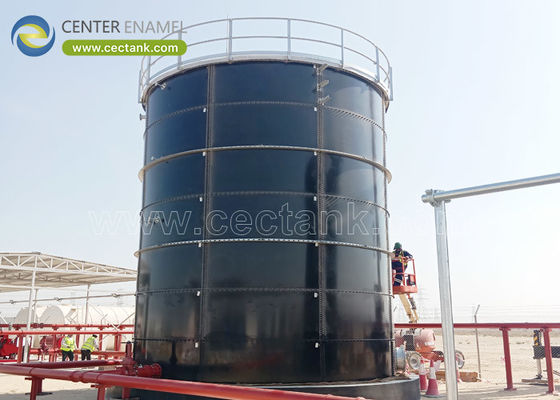
NFPA 22 Standard Glass-Fused-to-Steel (GFS) Tanks for Fire Fighting Water Storage
| Place of Origin: | China |
| Brand Name: | CEC TANKS |
| Certification: | ISO 9001:2008, AWWA D103 , OSHA , BSCI |
| Model Number: | W |
| Minimum Order Quantity: | 1set |
| Price: | $5000~$20000 one set |
| Packaging Details: | PE poly-foam between each two steel plates ; wooden pallet and wooden box |
| Delivery Time: | 10-30 days after deposit received |
| Payment Terms: | L/C,T/T |
| Supply Ability: | 60 sets per month |
|
Detail Information |
|||
Product Description
In industrial complexes, commercial real estate developments, power plants, and municipal infrastructure, reliable fire suppression water storage is the ultimate line of defense against catastrophic property loss and human hazard. Fire protection systems demand absolute readiness: storage reservoirs must hold massive volumes of water without leaking, resist internal corrosion over decades of static storage, and maintain structural integrity under extreme seismic or wind loads.
To govern these critical systems, the National Fire Protection Association established NFPA 22: Standard for Water Tanks for Private Fire Protection. Meeting these rigorous engineering codes requires advanced materials that eliminate traditional maintenance failures. Combining modular bolted agility with uncompromised material science, Glass-Fused-to-Steel (GFS) tanks engineered to NFPA 22 standards have become the premier choice for modern fire protection water storage worldwide.
NFPA 22 establishes comprehensive design, fabrication, and installation mandates to ensure that private fire protection water storage tanks remain fully operational during emergency scenarios. Key regulatory requirements include:
-
Structural Strength and Seismic Design: Tanks must withstand local wind loads, snow loads, and seismic forces without catastrophic failure, ensuring continuous water availability during natural disasters.
-
Corrosion Protection and Material Durability: Because fire suppression water often remains stagnant for extended periods, internal corrosion and sediment accumulation can compromise valve operations or pipe networks. NFPA 22 mandates robust anti-corrosion linings that prevent rust-through and water contamination.
-
Standardized Access and Fittings: Strict guidelines dictate the placement of overflow pipes, drain valves, anti-vortex plates, liquid level indicators, and ladder access to facilitate routine NFPA-mandated inspections.
Glass-Fused-to-Steel technology satisfies and exceeds the stringent material and structural mandates of NFPA 22 through a specialized manufacturing process:
-
High-Temperature Thermal Fusing: Specialized glass enamel frit is applied to high-strength structural steel plates and fused in industrial furnaces at extreme temperatures between 820°C and 930°C. This creates a molecular bond uniting the tensile strength of steel with the chemical inertness of glass.
-
Zero Interior Repainting Required: Unlike traditional field-welded carbon steel tanks that require disruptive, periodic interior recoating to prevent rust, the hard, non-porous glass surface of GFS tanks is permanently maintenance-free.
-
Rapid Modular Installation: Prefabricated under strict ISO 9001 quality systems, GFS tank panels ship efficiently and bolt together rapidly on-site using specialized jacking equipment, slashing construction timelines compared to poured concrete basins.
| Evaluation Metric | NFPA 22 GFS Bolted Steel Tanks | Cast-in-Place Concrete Basins | Traditional Welded Steel Tanks |
|---|---|---|---|
| Corrosion & Rust Defense | Superior (Inert glass-fused surface prevents internal rust and water contamination) | Moderate (Vulnerable to concrete carbonation, cracking, and seepage) | Low (Dependent on field-applied epoxy coats that blister, pit, and peel over time) |
| NFPA 22 & AWWA D103 Compliance | Fully Compliant (Engineered for exact seismic, wind, and structural code standards) | Requires Custom Engineering (Prone to structural joint degradation over time) | Compliant (Requires continuous field testing and inspection) |
| Installation Velocity | Fast (Prefabricated modular panels bolted rapidly on-site with zero weather curing delays) | Very Slow (Months of civil formwork, pouring, and multi-week curing phases) | Moderate (Requires heavy field plate rolling, welding, and radiograph testing) |
| Lifecycle Maintenance | Minimal (Permanent glass surface eliminates interior repainting and rust scaling) | High (Demands frequent crack sealing, leak injection, and structural patching) | High (Continuous maintenance overhead to prevent structural failure) |
Engineering Assurance: All fire protection water storage tanks engineered to NFPA 22 standards comply strictly with internationally recognized design codes, including AWWA D103-09, ISO 28765, ISO 9001, and NSF/ANSI 61, guaranteeing uncompromised reliability when emergency water suppression is required.
A: NFPA 22 is the standard established by the National Fire Protection Association governing water storage tanks for private fire protection. It dictates strict requirements for tank capacity, structural integrity, seismic resistance, and corrosion protection to ensure water supplies remain fully dependable during fire emergencies.
A: GFS tanks combine the high tensile strength of steel with the chemical inertia of glass. Their fused vitreous surface is completely immune to interior corrosion and rust scaling—vital for static fire water reserves—and requires zero interior repainting over a service life exceeding 30 years.
A: Yes. High-performance GFS fire storage tanks are engineered in strict compliance with major international standards, including NFPA 22, AWWA D103-09 (Bolted Steel Tanks for Water Storage), ISO 28765, and NSF/ANSI 61 for safe water contact.
A: Unlike poured-in-place concrete basins that require months of civil formwork and weather-dependent curing, GFS tanks utilize prefabricated modular panels. They are bolted together rapidly on-site by lightweight installation crews, significantly reducing project timelines and ensuring faster facility commissioning.