-
Glass Fused To Steel Tanks (596)
-
Stainless Steel Tanks (434)
-
Fusion Bonded Epoxy Tanks (592)
-
Galvanized Steel Tanks (321)
-
Aluminum Dome Roofs (1316)
-
Wastewater Storage Tanks (231)
-
Welded Steel Tanks (457)
-
Pressure Vessels (295)
-
Anaerobic Digester (201)
-
Industrial Water Tanks (349)
-
Glass Lined Steel Tanks (180)
-
Bolted Steel Tanks (390)
-
Sludge Storage Tank (115)
-
Biogas Storage Tank (173)
-
Leachate Storage Tanks (133)
-
Agricultural Water Storage Tanks (179)
-
Fire Water Tank (166)
-
Grain Storage Silos (146)
-
Biogas Projects (425)
-
Wastewater Treatment Projects (788)
-
Double Membrane Roof (223)

|
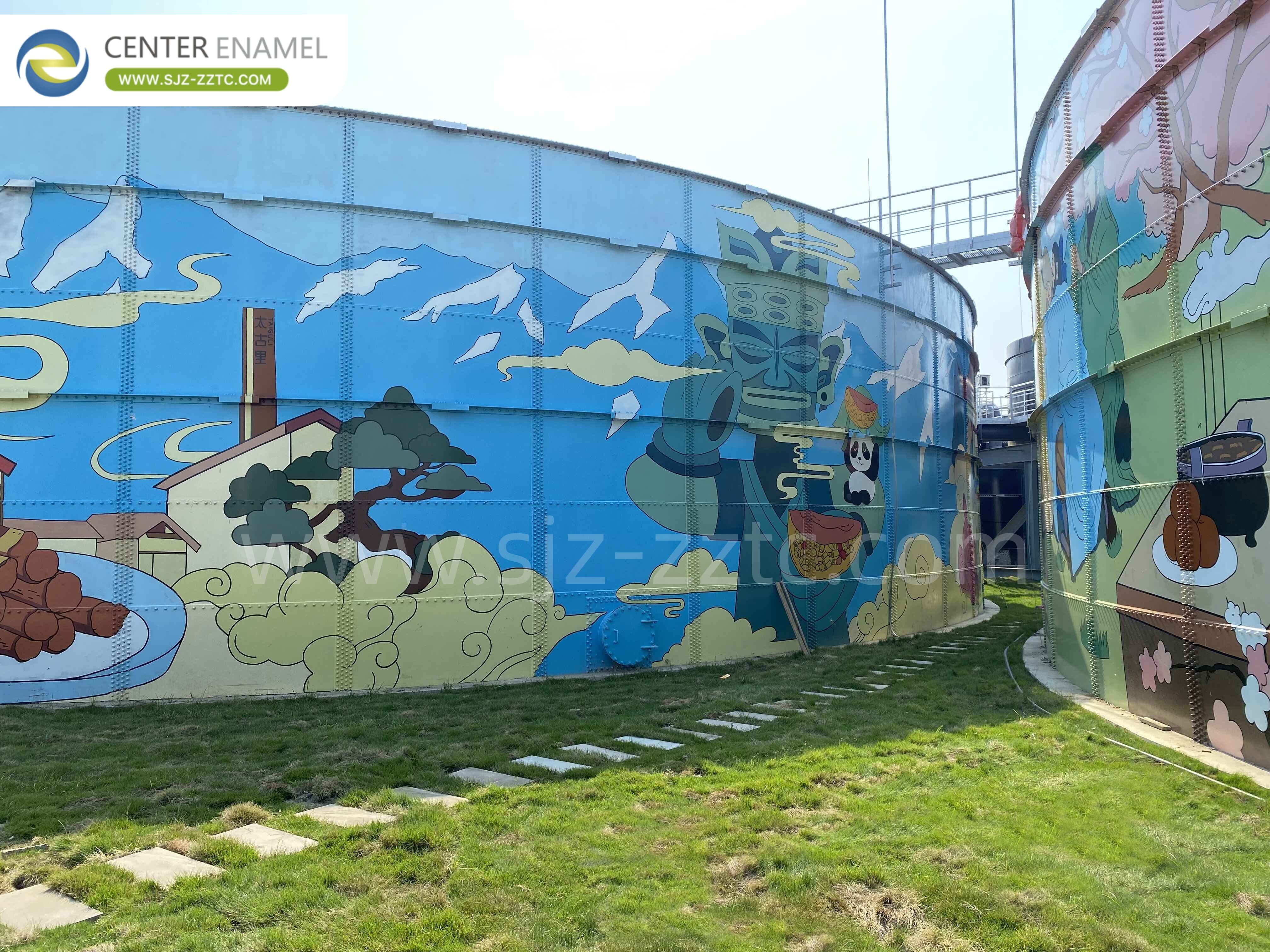
Transforming Cattle Manure: Biogas Technology & GFS Tanks in Japan
| Place of Origin: | China |
| Brand Name: | CEC TANKS |
| Certification: | ISO 9001:2008, AWWA D103 , OSHA , BSCI |
| Model Number: | W |
| Minimum Order Quantity: | 1set |
| Price: | $5000~$20000 one set |
| Packaging Details: | PE poly-foam between each two steel plates ; wooden pallet and wooden |
| Delivery Time: | 10-30 days after deposit received |
| Payment Terms: | L/C, T/T |
| Supply Ability: | 60 sets per month |
|
Detail Information |
|||
| Place of Origin | China | Brand Name | CEC TANKS |
|---|---|---|---|
| Certification | ISO 9001:2008, AWWA D103 , OSHA , BSCI | Model Number | W |
| Tank Body Color: | Dark Green / Can Be Customized | Corrosion Integrity: | Excellent |
| Steel Plates Thickness: | 3mm To 12mm , Depends On The Tank Structure | Chemical Resistance: | Excellent |
| Size Of Panel: | 2.4M * 1.2M | Easy To Clean: | Smooth, Glossy, Inert, Anti-adhesion |
| Highlight: | biogas technology for cattle manure,GFS tanks for wastewater treatment,Japan biogas wastewater treatment |
||
Product Description
Transforming Cattle Manure: Biogas Technology & GFS Tanks in Japan
As Japan’s agricultural sector moves toward a more sustainable and technologically integrated future, the livestock industry—particularly dairy and wagyu beef production—remains a vital component of the national food system. However, the concentration of cattle farming in specific regions presents a significant environmental hurdle: the effective management of massive volumes of animal waste. For cattle enterprises across Japan, adopting advanced Biogas Technology is no longer a choice but a strategic necessity to balance high-quality production with environmental stewardship. By combining high-efficiency anaerobic processes like the USR (Upflow Solids Reactor) with durable Glass-Fused-to-Steel (GFS) Tanks, farm operators are successfully turning hazardous cattle manure into a source of clean, renewable energy.
The Landscape of Japan’s Cattle Sector and Waste Challenges
Japan is globally recognized for its premium beef and dairy products, yet the industry is undergoing a shift toward more intensive management systems to improve efficiency. While this supports high-value supply chains, it generates a significant amount of "high-strength" organic waste. Cattle manure and dairy effluent are notoriously difficult to treat due to their high suspended solids and complex organic fibers.
In Japan’s varied climate, the direct discharge or improper disposal of this waste leads to severe environmental hazards:
Water Contamination: Leaching of pollutants into local watersheds and groundwater.
Odor and Air Pollution: The release of ammonia and methane, which impacts local communities and contributes to the agricultural sector's greenhouse gas footprint.
Public Health Risks: Untreated waste can harbor pathogens that threaten livestock biosecurity and public health.
In response, the Japanese government has implemented strict environmental and wastewater treatment policies. Regulations such as the "Act on the Appropriate Management and Promotion of Utilization of Livestock Mane" mandate that agricultural facilities implement standardized waste management systems. This regulatory shift has paved the way for "waste-to-energy" projects that align with Japan's national goal of achieving carbon neutrality.
From Waste to Energy: The Biogas Production Process
Converting cattle manure into biogas is a controlled biological process that maximizes the value of agricultural by-products:
Waste Collection: Manure and wash-water are gathered in a centralized sump.
Anaerobic Digestion: The slurry is fed into an Anaerobic Reactor. Inside this oxygen-free environment, bacteria break down organic matter through four stages: hydrolysis, acidogenesis, acetogenesis, and methanogenesis.
Methane Generation: The primary byproduct is biogas (mostly methane), which is captured and stored within the digester system.
Resource Utilization: The biogas is purified to remove impurities like hydrogen sulfide (H2S) and then used for heating or generating electricity via a Combined Heat and Power (CHP) system.
Advanced Engineering: Specialized Anaerobic Processes
Center Enamel provides a suite of anaerobic technologies designed to handle the specific characteristics of cattle-related wastewater:
USR (Upflow Solids Reactor): Specifically designed for waste with high suspended solids, allowing for high organic loading rates and maximum breakdown of complex fibers—making it ideal for thick cattle manure.
CSTR (Completely Stirred Tank Reactor): Uses mechanical stirring to keep high-solids slurries in suspension, ensuring uniform digestion for stable biogas production.
UASB (Upflow Anaerobic Sludge Blanket): Best for more liquid effluents, utilizing a granular sludge blanket for rapid treatment and high-efficiency COD removal.
IC (Internal Circulation) Reactor: A high-rate reactor that uses internal gas-lift to circulate water, perfect for large-scale industrial dairy processing applications.
The GFS Tank Advantage: The Ideal Digester Vessel
For biogas projects in Japan, Glass-Fused-to-Steel (GFS) Tanks are the preferred choice for reactor infrastructure:
Superior Corrosion Resistance: The glass coating protects the steel from the corrosive effects of H2S and organic acids generated during digestion.
Rapid Deployment: Unlike concrete, GFS tanks are modular and bolted on-site, significantly shortening construction timelines.
Adaptability to Climate: They withstand varied humidity and high UV levels without degradation.
Ease of Maintenance: The smooth, inert surface prevents scale buildup and ensures a service life of over 30 years.
Why Choose Center Enamel?
Choosing Center Enamel means partnering with a global leader in environmental engineering. With decades of experience and projects in over 100 countries, Center Enamel offers turnkey EPC solutions. We handle everything from the initial biological process design and tank manufacturing to installation and after-sales support. Our commitment to quality ensures that your biogas plant is efficient, compliant with strict environmental standards, and built to last.
Global Success Stories: Proven Project Cases
Case 1: Singapore Biogas Project
Process Stage: CSTR
Tank Dimensions:
φ18.34 × 8.4 m (H) — 1 Unit
φ8.41 × 9.0 m (H) — 1 Unit
φ11.46 × 7.2 m (H) — 1 Unit
Total Volume: 3,458 m³
Completion Year: 2021
Case2: Indonesia Biogas Project
Tank Application: Palm Oil Wastewater Treatment Plant
Tank Model: Ø19.86 × 8.4 m
Number of Tanks: 3 GFS Tanks
Installation: 7 personnel, 40 days
Installation Date: November 2009
For the thriving cattle industry in Japan, the integration of Biogas Technology using the USR process and GFS tanks represents a powerful solution for modern waste management. Center Enamel’s comprehensive engineering expertise allows farm owners to meet stringent environmental regulations while significantly lowering energy costs. By converting cattle manure into renewable power, Japanese farms can achieve a sustainable "circular economy" that protects the nation's natural beauty while enhancing long-term operational profitability for decades to come.