-
Glass Fused To Steel Tanks (596)
-
Stainless Steel Tanks (434)
-
Fusion Bonded Epoxy Tanks (592)
-
Galvanized Steel Tanks (321)
-
Aluminum Dome Roofs (1336)
-
Wastewater Storage Tanks (232)
-
Welded Steel Tanks (457)
-
Pressure Vessels (295)
-
Anaerobic Digester (202)
-
Industrial Water Tanks (349)
-
Glass Lined Steel Tanks (180)
-
Bolted Steel Tanks (389)
-
Sludge Storage Tank (115)
-
Biogas Storage Tank (173)
-
Leachate Storage Tanks (133)
-
Agricultural Water Storage Tanks (179)
-
Fire Water Tank (166)
-
Grain Storage Silos (146)
-
Biogas Projects (424)
-
Wastewater Treatment Projects (1168)
-
Double Membrane Roof (223)

|
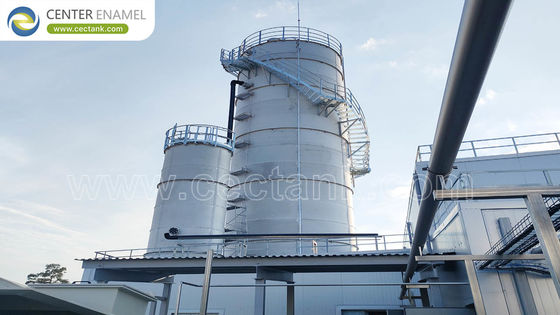
Stainless Steel Tanks for Whey Storage: The Trusted Choice for the Dairy Industry
| Place of Origin: | China |
| Brand Name: | CEC TANKS |
| Certification: | ISO 9001:2008, AWWA D103 , OSHA , BSCI |
| Model Number: | W |
| Minimum Order Quantity: | 1set |
| Price: | $5000~$20000 one set |
| Packaging Details: | PE poly-foam between each two steel plates ; wooden pallet and wooden |
| Delivery Time: | 10-30 days after deposit received |
| Payment Terms: | L/C,T/T |
| Supply Ability: | 60 sets per month |
|
Detail Information |
|||
Product Description
Stainless Steel Tanks for Whey Storage: The Trusted Choice for the Dairy Industry
In modern dairy processing, efficiency and hygiene go hand in hand. As cheese and casein production scales up, whey—once treated as a disposal byproduct—has emerged as a highly valuable raw material for high-protein powders, beverages, infant formula, and animal feed additives. However, liquid whey is notoriously difficult to store; it is warm, nutrient-rich, and slightly acidic due to residual lactic acid, making it an ideal breeding ground for bacteria if containment is compromised.
To maintain product purity, prevent protein denaturation, and withstand corrosive dairy byproducts, dairy plants worldwide rely on specialized containment. Shijiazhuang Zhengzhong Technology Co., Ltd. (Center Enamel) engineers and manufactures world-class Stainless Steel Whey Storage Tanks, delivering the absolute standard in sanitary dairy liquid containment.
The Critical Engineering Demands of Whey Storage
Storing dairy whey introduces severe biochemical and mechanical challenges that standard industrial tanks cannot handle:
-
Aggressive Lactic Acid Corrosion: As whey ferments, lactic acid concentration increases, rapidly attacking unlined carbon steel and degrading concrete surfaces, leading to structural leaching and product contamination.
-
Strict Hygienic and Cleanability Requirements: Because whey is consumed by humans or used in sensitive food formulations, tank interiors must be completely non-porous, crevice-free, and fully compatible with automated Clean-In-Place (CIP) systems.
-
Temperature and Bacterial Control: Raw whey is often stored warm post-separation. Tanks must support efficient insulation and cooling integration to prevent rapid microbial proliferation before downstream processing.
Technical Superiority of Stainless Steel in Dairy Processing
Center Enamel constructs its dairy storage solutions using high-grade austenitic stainless steel (primarily AISI 304 and AISI 316L), yielding unmatched performance:
-
Self-Healing Passive Layer: Stainless steel contains chromium, which reacts with oxygen to form a continuous, microscopic passive film. This barrier provides absolute immunity to lactic acid corrosion and prevents metal ions from leaching into the whey.
-
Ultra-Smooth Sanitary Finishes: Interior welds are ground, polished, and passivated to achieve low surface roughness (low Ra values), eliminating micro-crevices where milk solids, fats, and bacteria could otherwise accumulate.
-
Full CIP and SIP Compatibility: The chemically inert surface withstands aggressive cleaning chemicals, caustic washes, and hot sanitizing steam cycles without structural degradation.
Comparative Matrix: Dairy Whey Storage Technologies
| Evaluation Metric | Center Enamel Sanitary Stainless Steel Tank | Coated Carbon Steel Tank | Polyethylene / Plastic Tank |
| Hygienic Compliance & Safety | Superior (Meets 3-A, EHEDG, and FDA food-grade standards) | Moderate (Vulnerable if interior epoxy coating chips or degrades) | Moderate (Prone to surface scratching and bacterial biofilm retention) |
| Corrosion & Acid Resistance | High (AISI 304/316L resists lactic acid and cleaning chemicals) | Low (Acidic whey accelerates rust once coating fails) | High (Resists acids, but lacks structural rigidity for massive volumes) |
| Cleanability (CIP Efficiency) | High (Ultra-smooth polished walls prevent protein buildup) | Moderate (Pitted surfaces trap organic residues) | Moderate (Static charges can attract dust and organic films) |
| Structural Lifespan | 30 to 50+ Years (Durable, permanent dairy asset) | 10 to 15 Years (Requires frequent coating rehabilitation) | 15 to 25 Years (Subject to UV degradation and structural creep) |
Engineering Note: For optimal dairy hygiene, Center Enamel equips whey storage systems with specialized spray balls, sanitary manways, sterile vent filters, and precision agitators to ensure uniform temperature and prevent fat separation during long-duration holding cycles.
Frequently Asked Questions (FAQ)
Q: Why are stainless steel tanks mandatory for storing dairy whey?
A: Liquid whey is slightly acidic and rich in organic nutrients, making it corrosive to standard metals and prone to bacterial spoilage. Stainless steel provides a sanitary, non-porous surface that resists acid corrosion, prevents product contamination, and ensures full food-safety compliance.
Q: Which stainless steel grades are best suited for whey storage?
A: AISI 304 stainless steel is standard and highly effective for general dairy liquid storage. For environments with higher salt concentrations or aggressive cleaning chemicals, AISI 316L is recommended due to its superior molybdenum-enhanced pitting resistance.
Q: How do Center Enamel's stainless steel tanks support Clean-In-Place (CIP) systems?
A: Our tanks feature mirror-polished interior finishes, crevice-free sanitary welding, and pre-engineered top-mounted spray ball connections, allowing dairy plants to execute automated, thorough cleaning cycles without manual entry.
Q: Do Center Enamel's stainless steel whey tanks comply with international food safety standards?
A: Yes. All stainless steel storage systems are engineered in strict compliance with major global dairy hygiene benchmarks, including 3-A Sanitary Standards, EHEDG guidelines, and FDA food-contact regulations.