-
Glass Fused To Steel Tanks (596)
-
Stainless Steel Tanks (434)
-
Fusion Bonded Epoxy Tanks (592)
-
Galvanized Steel Tanks (321)
-
Aluminum Dome Roofs (1336)
-
Wastewater Storage Tanks (232)
-
Welded Steel Tanks (457)
-
Pressure Vessels (295)
-
Anaerobic Digester (201)
-
Industrial Water Tanks (349)
-
Glass Lined Steel Tanks (180)
-
Bolted Steel Tanks (389)
-
Sludge Storage Tank (115)
-
Biogas Storage Tank (173)
-
Leachate Storage Tanks (133)
-
Agricultural Water Storage Tanks (179)
-
Fire Water Tank (166)
-
Grain Storage Silos (146)
-
Biogas Projects (425)
-
Wastewater Treatment Projects (928)
-
Double Membrane Roof (223)
|
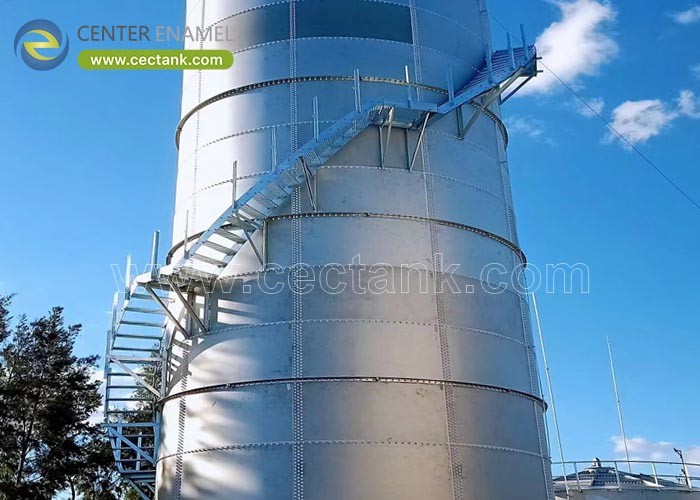
Stainless Steel Drinking Water Tanks: Engineering Design & Global Standards Compliance
| Place of Origin: | China |
| Brand Name: | CEC TANKS |
| Certification: | ISO 9001:2008, AWWA D103 , OSHA , BSCI |
| Model Number: | J2016012654 |
| Minimum Order Quantity: | 1set |
| Price: | $5000~$20000 one set |
| Packaging Details: | PE poly-foam between each two steel plates ; wooden pallet and wooden box |
| Delivery Time: | 0-60 days after deposit received |
| Payment Terms: | L/C,T/T |
| Supply Ability: | 60 sets per month |
|
Detail Information |
|||
Product Description
For municipal water districts, industrial facilities, and high-end commercial developments, the storage of potable water requires a material that balances structural longevity with absolute hygienic safety. While various options exist for water containment, stainless steel drinking water tanks are widely considered the gold standard for applications where water purity and long-term asset reliability are non-negotiable.
Unlike traditional concrete or carbon steel, which may require ongoing liners or intensive maintenance, stainless steel offers a "fit-and-forget" solution that inherently meets the most rigorous international engineering benchmarks.
Stainless steel (typically grades SS304 or SS316L) is favored by engineers for its stable, non-reactive, and exceptionally durable nature.
-
Hygienic Integrity: The surface of stainless steel is passive and non-porous. It does not harbor biofilms, algae, or bacteria, which are common issues in concrete or low-grade plastic reservoirs.
-
Chemical Stability: It does not leach chemicals, toxins, or heavy metals into the water supply. This makes it the preferred choice for hospitals, high-purity industrial processes, and municipal potable water distribution.
-
Corrosion Resistance: Stainless steel creates a self-healing chromium oxide layer that protects it from oxidation. This eliminates the need for internal chemical linings that degrade over time, reducing the risk of secondary contamination.
For a storage solution to be viable in municipal or industrial infrastructure, it must comply with established codes. Professional engineering firms and water authorities rely on these standards to guarantee structural safety and water quality:
The most critical certification for any potable water system is NSF/ANSI 61. This standard governs the health effects of materials in contact with drinking water. Stainless steel tanks, when properly fabricated, are inherently compliant with this standard because they do not require toxic coatings or sealants that might fail and leach into the water.
While ANSI/AWWA D100 and D103 are the foundational standards for steel water tanks, the engineering principles defined therein—such as seismic loading, wind load calculations, and hydrostatic pressure modeling—apply to the design of high-performance stainless steel tanks. Engineers utilize these rigorous methodologies to ensure that the tank can withstand site-specific environmental stress over a 50+ year service life.
-
ASTM A240: Specifies the chromium and nickel-chromium stainless steel plates for pressure vessels and general applications.
-
SS304 vs. SS316L:
-
SS304 is the standard for general potable water storage, offering excellent corrosion resistance.
-
SS316L (containing Molybdenum) is specified for aggressive environments, such as coastal areas where chloride concentrations are high, or in industrial settings where the water chemistry is more complex.
-
When evaluating the Total Cost of Ownership (TCO), stainless steel often outperforms alternative materials due to its longevity and lack of maintenance requirements.
| Feature | Stainless Steel | Poured Concrete | Carbon Steel (Coated) |
|---|---|---|---|
| Hygienic Surface | Superior (Inert) | Low (Porous) | Moderate (Needs Liner) |
| Corrosion Resistance | High (Inherent) | Low (Requires Sealing) | Low (Needs Anodes) |
| Construction Time | Fast (Prefabricated) | Very Slow (Curing) | Moderate |
| Maintenance | Minimal | High (Crack Repair) | High (Repainting) |
| Service Life | 50+ Years | 20–30 Years | 20–30 Years |
Q: Do stainless steel tanks require internal coatings?
A: Generally, no. One of the primary advantages of stainless steel is that the material itself is corrosion-resistant. Unlike carbon steel or concrete, it does not require a chemical liner to ensure water safety, which eliminates the risk of coating failure and subsequent contamination.
Q: How does stainless steel handle seismic activity?
A: Stainless steel tanks are engineered to meet specific regional seismic design codes (e.g., ASCE 7). Their structural ductility—the ability to undergo deformation without fracturing—often makes them safer than brittle materials like concrete in earthquake-prone zones.
Q: Is stainless steel cost-effective for large municipal projects?
A: While the initial capital expenditure is higher than that of concrete or carbon steel, the long-term TCO is significantly lower. By eliminating the need for periodic liner replacements, rust remediation, and water quality remediation, stainless steel provides the highest value over a 50-year horizon.
Selecting the right storage infrastructure is a foundational decision that impacts water security for decades. Whether you are designing a municipal reservoir or a high-purity industrial supply system, engineering your tank to meet the highest international standards is the only way to ensure reliable, safe water.
Are you in the planning phase of a new water storage project? Contact our engineering team for a feasibility assessment. We provide detailed structural analysis, seismic calculations, and material compatibility reviews to ensure your tank meets the rigorous demands of your project.